NewsDigest

Australia, Japan seal Mogami frigate deal

🏷️ Defense🌍 Australia🔥 Trending🔗 7 sources7Digest ScoreiThis score reflects the story's reliability, bias neutrality, and public momentum.
Australia, Japan seal Mogami frigate deal

📰 Full Story

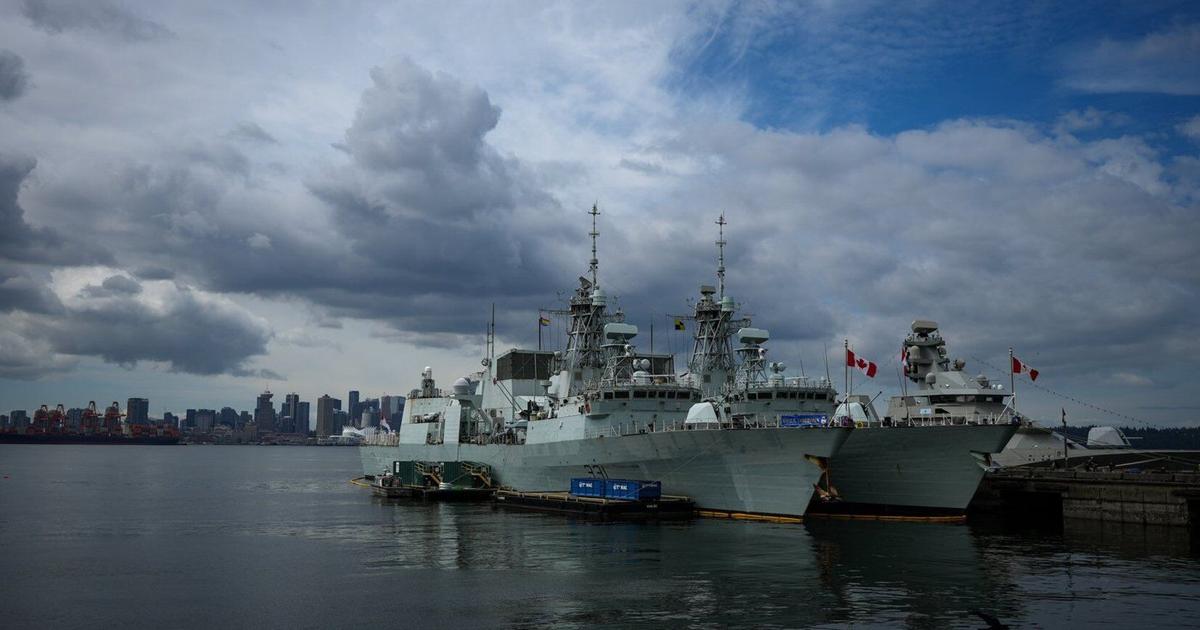
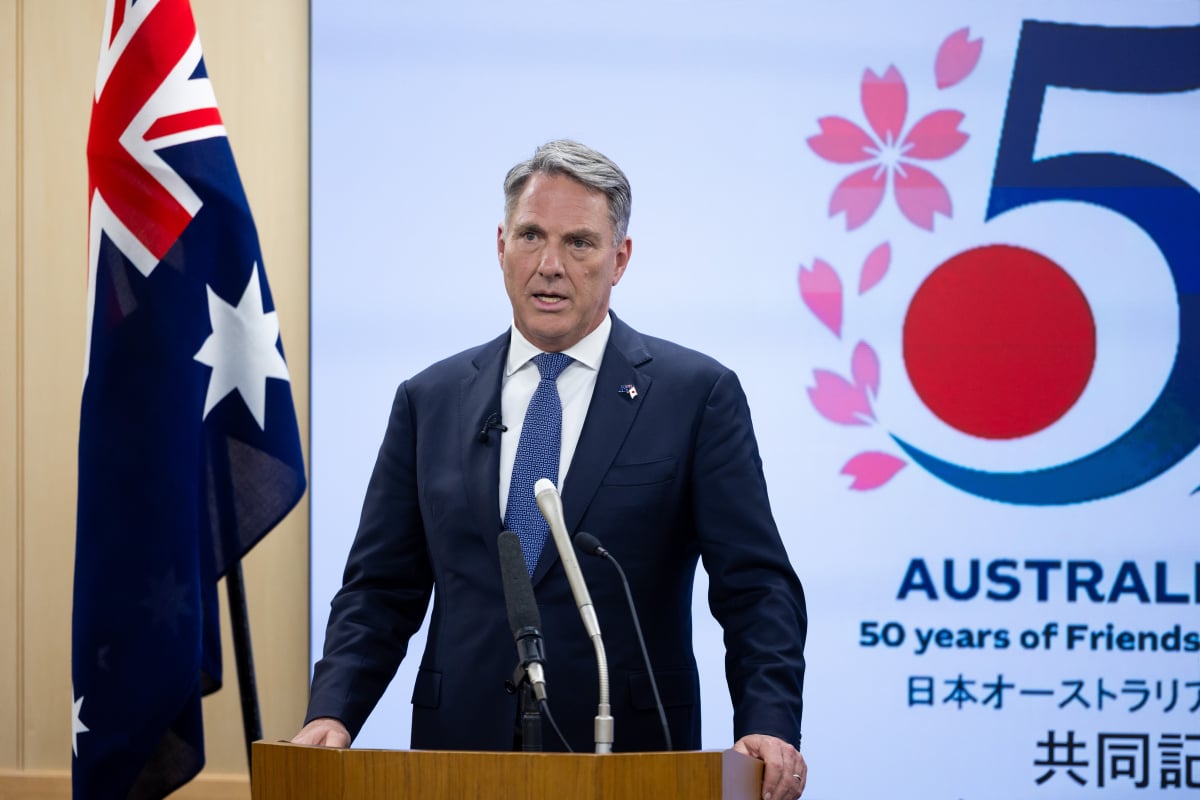
Australia and Japan on April 18, 2026, finalised contracts launching a landmark program to supply the Royal Australian Navy with 11 upgraded Mogami-class general-purpose frigates. Mitsubishi Heavy Industries won the competition and will build the first three ships in Japan, with the remainder scheduled to transition to domestic construction at the Henderson shipyard near Perth. The first vessel is due for delivery in December 2029 and expected to enter service in 2030. The vessels are described as multi-role stealth frigates equipped for anti-submarine warfare, surface strike and air defence (including a 32-cell vertical launch system) and operate with crews of about 90. Canberra has placed the program value in public statements between A$10 billion and A$20 billion over the coming decade, with officials stressing additional spending on shipyard redevelopment and infrastructure. The signing was framed as a deeper strategic and industrial partnership as Japan relaxes export rules; Canberra says the program will underpin Australia’s shipbuilding backbone while bolstering maritime deterrence across the Indo-Pacific.
Starlink outages expose Pentagon drone dependence

🏷️ Defense🌍 United States🔗 3 sources7Digest ScoreiThis score reflects the story's reliability, bias neutrality, and public momentum.
Starlink outages expose Pentagon drone dependence

📰 Full Story

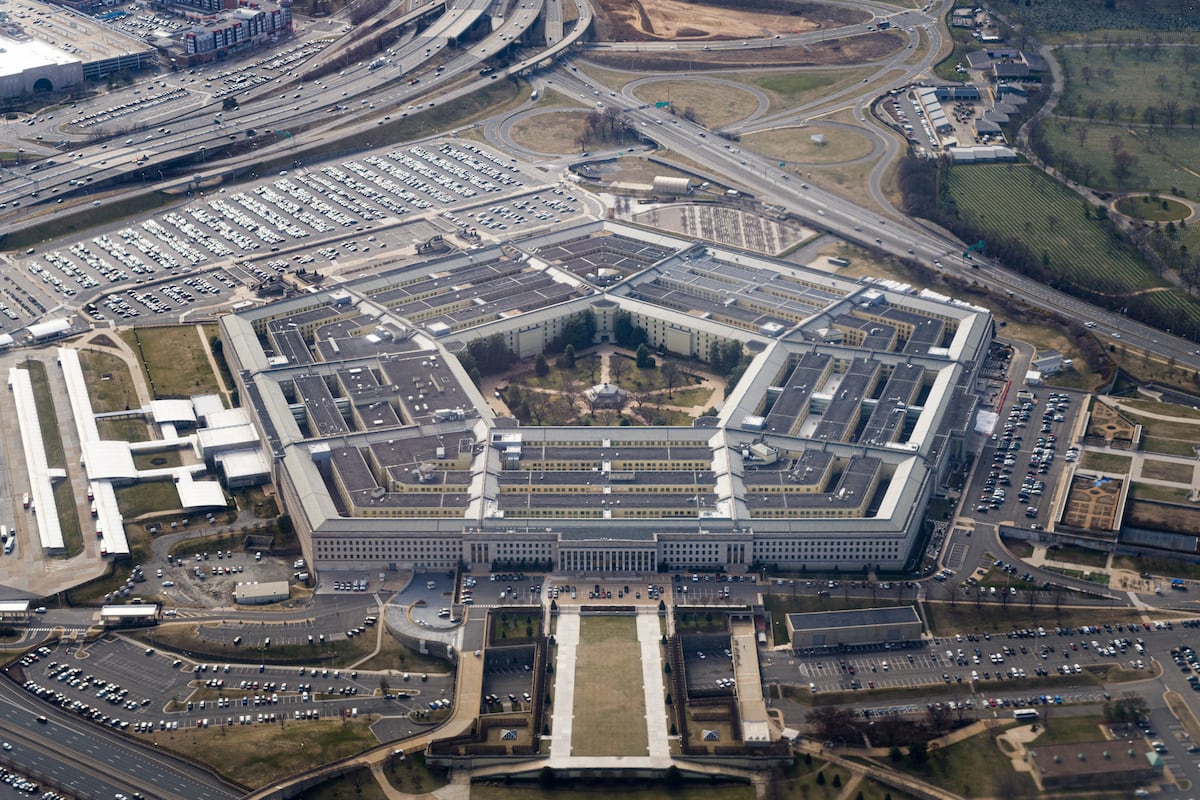
U.S. Navy and Pentagon experiments have repeatedly been disrupted by outages and spotty performance on SpaceX’s Starlink satellite network, internal Navy documents and reporting show. In August 2025 a global Starlink blackout left about two dozen unmanned surface vessels adrift off the California coast for nearly an hour; other tests, including unmanned aerial vehicle exercises, were grounded when data links dropped. The incidents highlight a growing single-point-of-failure risk as the U.S. military relies on Starlink and SpaceX’s classified Starshield service for high-throughput, low-latency links needed to control swarms of drones and other systems. Defense officials have acknowledged resilience and redundancy goals, but public records do not show whether adequate backup communications were in place during the disrupted tests. SpaceX and the Pentagon declined to comment on the specific exercises. The disruptions come as SpaceX prepares for a major public offering and as lawmakers and auditors press for greater oversight of commercial providers used for national security missions.

Australia boosts defence spending, refines 2026 strategy

🏷️ Defense🌍 Australia🔗 5 sources3Digest ScoreiThis score reflects the story's reliability, bias neutrality, and public momentum.
Australia boosts defence spending, refines 2026 strategy

📰 Full Story

Australia on 16 April 2026 released revised National Defence Strategy (NDS) and an Integrated Investment Program (IIP) that pledge a major uplift in military spending and capability priorities. The government committed an additional A$14 billion over the next four years and A$53 billion over the coming decade, with the IIP allocating A$425 billion over ten years to modernise the Australian Defence Force. Canberra aims to raise defence outlays to about 3% of GDP by 2033 (NATO-style accounting) and flagged an even higher target by 2036. The documents reiterate a focus on sea denial and undersea warfare (including AUKUS submarine-related investments), long-range strike, air mobility, integrated air and missile defence (medium-range AD prioritised from 2026), and greater sovereign defence industry capacity. Spending shares cited include 41% maritime, 22% enterprise/enabling, 17% land, 14% air, 5% cyber and 2% space. The NDS again stresses close US ties, deeper cooperation with Japan, India and NATO, and expanded stockpiles and guided-weapons production domestically, while accelerating adoption of uncrewed systems and resilience measures such as fuel security and civil preparedness.

Pentagon Asks GM and Ford to Boost Weapons Production

🏷️ Defense🌍 United States🔗 7 sources2Digest ScoreiThis score reflects the story's reliability, bias neutrality, and public momentum.
Pentagon Asks GM and Ford to Boost Weapons Production

📰 Full Story

Senior Pentagon officials have held preliminary talks with the chief executives of General Motors and Ford Motor about using automakers’ capacity to produce military components as U.S. stockpiles are strained by conflicts in Iran and long-term support for Ukraine. Conversations, described as early and wide-ranging, focused on whether commercial plants could rapidly shift to make parts, munitions or tactical hardware rather than entire weapons systems. Other manufacturers such as GE Aerospace and Oshkosh have also been approached. Pentagon spokespeople said the department is “committed to rapidly expanding the defense industrial base” by leveraging commercial capabilities. The outreach echoes historical wartime conversions of U.S. industry during World War II, but officials have not invoked the Defense Production Act and no contracts have been announced. The moves accompany broader Pentagon steps to accelerate output — including framework agreements with prime contractors and Pentagon requests for additional funding — as officials assess bottlenecks in supply chains, contracting hurdles and the need for faster production of interceptors, missiles and munitions.

U.S. Expands Blockade, Will Target Iran-linked Ships Globally

🏷️ Defense🌍 United States🔗 10 sources2Digest ScoreiThis score reflects the story's reliability, bias neutrality, and public momentum.
U.S. Expands Blockade, Will Target Iran-linked Ships Globally

📰 Full Story

The U.S. military has widened a naval blockade of Iran’s ports into a global campaign to stop vessels tied to Tehran or suspected of carrying materiel that could aid Iran’s war effort, Pentagon officials said this week. Chairman of the Joint Chiefs Gen. Dan Caine told reporters the blockade applies to any ship entering or leaving Iranian ports and that U.S. forces “will actively pursue any Iranian-flagged vessel or any vessel attempting to provide material support to Iran,” including operations in the Pacific. The military published an expanded contraband list — from “absolute” items such as weapons and ammunition to “conditional” goods including oil, iron, steel, aluminum, electronics and heavy machinery — that can be boarded, searched and seized “regardless of location.” Officials said roughly 13 ships have turned back after U.S. warnings; CENTCOM reported no boardings in the blockade zone so far. Defense Secretary Pete Hegseth said less than 10% of U.S. naval power is currently enforcing the blockade and more than 10,000 troops are involved. The move comes as a fragile ceasefire is due to expire in days and mediators press for an extension.

Japan opens arms exports in major policy shift

🏷️ Defense🌍 Japan🔗 3 sources1Digest ScoreiThis score reflects the story's reliability, bias neutrality, and public momentum.
Japan opens arms exports in major policy shift

📰 Full Story

Tokyo is preparing the biggest relaxation of its post‑World War II arms export rules, with Prime Minister Sanae Takaichi’s ruling party approving changes this week and the government expected to formally adopt them this month. The move would allow sales of defence equipment produced under foreign licence and finished systems, converting Japan’s roughly $60 billion defence industrial base into an export capacity. Reuters reporting and other sources say potential customers include the Philippines — where Tokyo may soon approve the sale of used frigates — and Poland, which has discussed cooperation on anti‑drone and electronic warfare. The shift is driven in part by strains on U.S. weapons supplies from the wars in Ukraine and the Middle East and by uncertainty over U.S. security commitments under President Donald Trump. Major manufacturers such as Toshiba and Mitsubishi Electric are expanding hiring and production capacity to capitalise on demand. China has warned Tokyo to act prudently, and some Japanese firms worry about reputational risks tied to arms sales.

U.S. B-21 Raider Completes Aerial Refueling Tests

🏷️ Defense🌍 United States🔗 4 sources1Digest ScoreiThis score reflects the story's reliability, bias neutrality, and public momentum.
U.S. B-21 Raider Completes Aerial Refueling Tests

📰 Full Story

The U.S. Air Force released imagery and announced tests showing the B-21 Raider stealth bomber conducting aerial refueling with a KC-135 Stratotanker as part of its flight test campaign at Edwards Air Force Base on April 14-15, 2026. Service and industry statements said the milestone demonstrates the platform’s maturing endurance and global reach ahead of initial fielding expected to begin in the 2027 timeframe, with production accelerating and plans to procure roughly 100 aircraft by the mid-2030s. Officials highlighted the B-21’s fuel efficiency and open-systems architecture, which are intended to reduce tanker demand, simplify future upgrades and sustain relevance against evolving threats. Air Force Chief of Staff Gen. Ken Wilsbach said the bomber will “reduce the demand on our tanker fleet,” while program leaders credited digital engineering and modern production processes for keeping the program on schedule. Released photos provided the first clear overhead view of the Raider’s dorsal refueling receptacle and other external features, drawing scrutiny and analysis from defense observers.

USS Gerald R. Ford breaks deployment record

🏷️ Defense🌍 United States🔗 4 sources1Digest ScoreiThis score reflects the story's reliability, bias neutrality, and public momentum.
USS Gerald R. Ford breaks deployment record

📰 Full Story

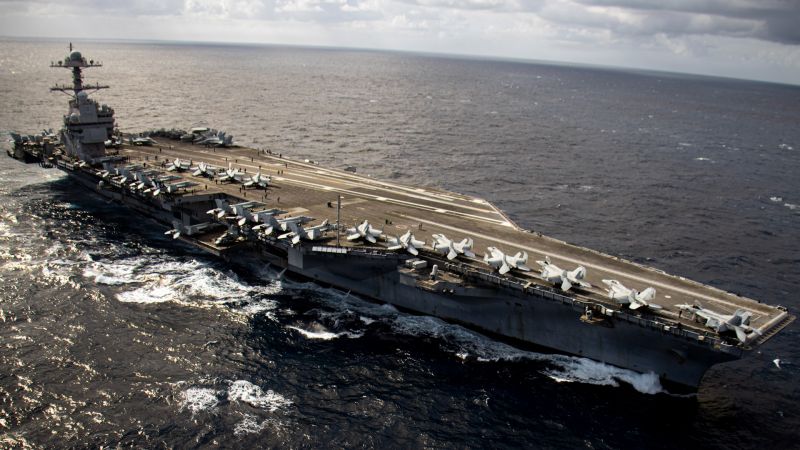
The USS Gerald R. Ford (CVN 78) has set a post‑Vietnam era U.S. aircraft carrier deployment record, remaining at sea roughly 295–296 days after departing Naval Station Norfolk on June 24, 2025. The carrier operated across multiple theaters — Mediterranean, North Sea/Arctic, Caribbean and the Middle East — and took part in NATO exercises, counter‑narcotics and security operations in the Caribbean, a U.S. raid in Venezuela, and early operations in the war with Iran. The deployment involved multiple Atlantic crossings and Suez transits and included port visits to Crete and Split, Croatia, for repairs after a March laundry‑room fire in the Red Sea that damaged hundreds of berths and injured three sailors. Lawmakers and Navy leaders have voiced concern about the deployment’s toll on crew mental health and ship systems. Navy officials have signaled the deployment could stretch to about 11 months, with relief possible from the USS George H.W. Bush carrier strike group; ongoing maintenance issues reported during 2025 have highlighted strains on carrier sustainment and logistics.

🤝 Social Media Insights

Social Summary
1 / 5
Veteran accounts emphasize that specialized equipment, long qualification pipelines and a significant manpower shortfall make rotating the Ford’s ship’s company impractical, amplifying maintenance burdens and morale problems. Reports of physical damage are contested, but fire and sewage issues are repeatedly cited, heightening concerns about readiness.

Two Royal Canadian Navy members charged over Halifax capsizing

🏷️ Defense🌍 Canada🔥 Trending🔗 4 sources0Digest ScoreiThis score reflects the story's reliability, bias neutrality, and public momentum.
Two Royal Canadian Navy members charged over Halifax capsizing

📰 Full Story

Canadian Forces Military Police announced on April 15, 2026 that two Royal Canadian Navy members have been charged in connection with the Jan. 24, 2025 capsizing of a rigid-hull inflatable boat (RHIB) in Bedford Basin, Halifax, which led to the death of Petty Officer 2nd Class Gregory Applin. Applin, 38, a 19-year navy veteran, and another sailor were thrown into frigid water after the RHIB struck a mooring buoy and overturned; both were rescued and taken to hospital, where Applin later died. Sailor First Class Alexandre Garrison faces charges of dangerous operation of a conveyance causing death and negligent performance of military duties. Master Sailor David Terry faces charges of criminal negligence causing bodily harm and negligent performance of military duties. The charges were laid under the National Defence Act after a military police investigation; any prosecution will proceed in the military justice system. Navy leadership – including Vice-Admiral Angus Topshee and Chief Petty Officer First Class Pascal Harel – expressed condolences, stressed accountability and said there will be a fair, independent process. Earlier reporting indicated the buoy struck may have been unlit; authorities have withheld further details to protect judicial integrity.

UK pledges 120,000 drones to Ukraine in 2026

🏷️ Defense🌍 United Kingdom🔥 Trending🔗 7 sources0Digest ScoreiThis score reflects the story's reliability, bias neutrality, and public momentum.
UK pledges 120,000 drones to Ukraine in 2026

📰 Full Story

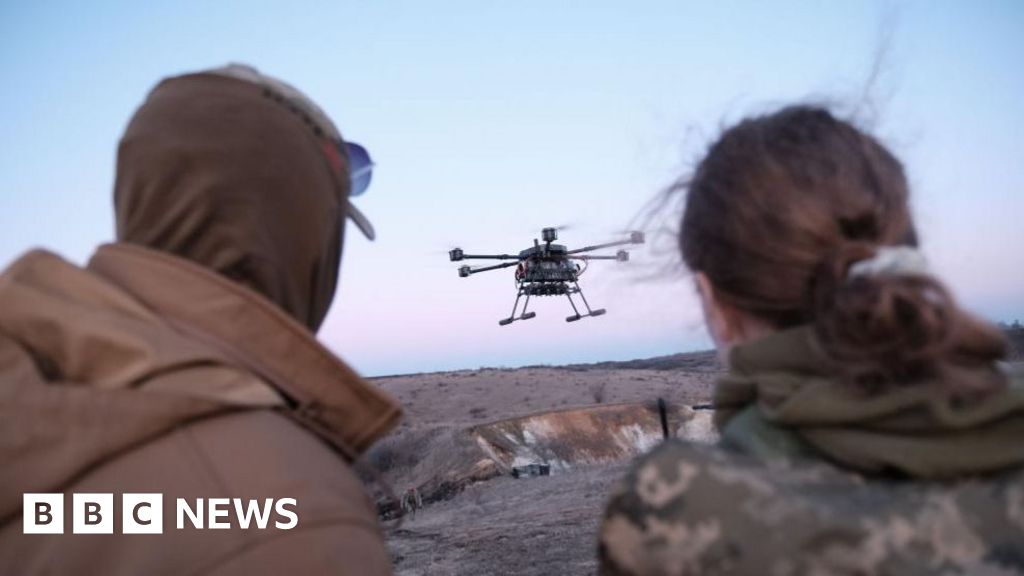
The United Kingdom has pledged to supply Ukraine with at least 120,000 drones by the end of 2026, the largest single drone package announced by the UK Ministry of Defence. Deliveries began in April 2026, the MoD said, and will include long‑range strike (one‑way attack) systems, reconnaissance and intelligence platforms, logistics drones and maritime-capable unmanned systems. The programme is backed by the UK’s broader £3 billion military support for Ukraine in 2026 and will channel substantial contracts to domestic firms named by the MoD, including Tekever, Windracers and Malloy Aeronautics. The announcement was made as Defence Secretary John Healey co‑chaired the 34th Ukraine Defence Contact Group meeting in Berlin. Officials framed the package as a response to the growing centrality of drones in the war — Russia launched thousands of attack drones in recent months — and as part of a wider UK commitment that also includes artillery rounds and air‑defence missiles. Kyiv has already begun receiving shipments, the Ukrainian defence ministry said, while fighting and Russian strikes causing civilian casualties continue across multiple regions.

🤝 Social Media Insights

Social Summary
1 / 5
Key points from the discussion: Iran’s prior supply of Shahed loitering munitions to Russia adds strategic context for the UK’s large drone pledge, and Ukraine’s accumulated counter‑drone expertise increases the utility of the transfer for training and tactics as well as munitions supply.

NATO-backed Kelluu raises €15M for airship ISR

🏷️ Defense🌍 Finland🔗 3 sources0Digest ScoreiThis score reflects the story's reliability, bias neutrality, and public momentum.
NATO-backed Kelluu raises €15M for airship ISR

📰 Full Story

Finnish deeptech company Kelluu has raised €15 million in a Series A round led by the NATO Innovation Fund, marking the fund’s first investment in a Finnish firm. Other participants included Keen Venture Partners, Swedish defence VC Gungnir Capital and state-owned investor Tesi. Kelluu operates an autonomous fleet of hydrogen-powered airships designed for persistent intelligence, surveillance and reconnaissance (ISR), with five vehicles from a single base able to monitor roughly 30,000 square kilometres. The airships have logged over 50,000 kilometres, flown 12-hour Arctic missions, and operate in temperatures down to -33°C and under GNSS jamming. Kelluu has completed two phases of NATO’s DIANA programme and demonstrated real-time integration with allied systems during Exercise Steadfast Dart 26 and other NATO trials. The platform carries multi-sensor payloads (LiDAR, thermal, multispectral), stitches georeferenced data into near-real-time digital twins, and targets both defence and civilian markets including forestry, meteorology and infrastructure monitoring. Proceeds will be used to optimise technology, scale the fleet and advance Kelluu AI Labs, an initiative to build geospatial foundation models from flight data.

Ukraine confirms wartime air‑launched rocket tests

🏷️ Defense🌍 Ukraine🔗 3 sources0Digest ScoreiThis score reflects the story's reliability, bias neutrality, and public momentum.
Ukraine confirms wartime air‑launched rocket tests

📰 Full Story

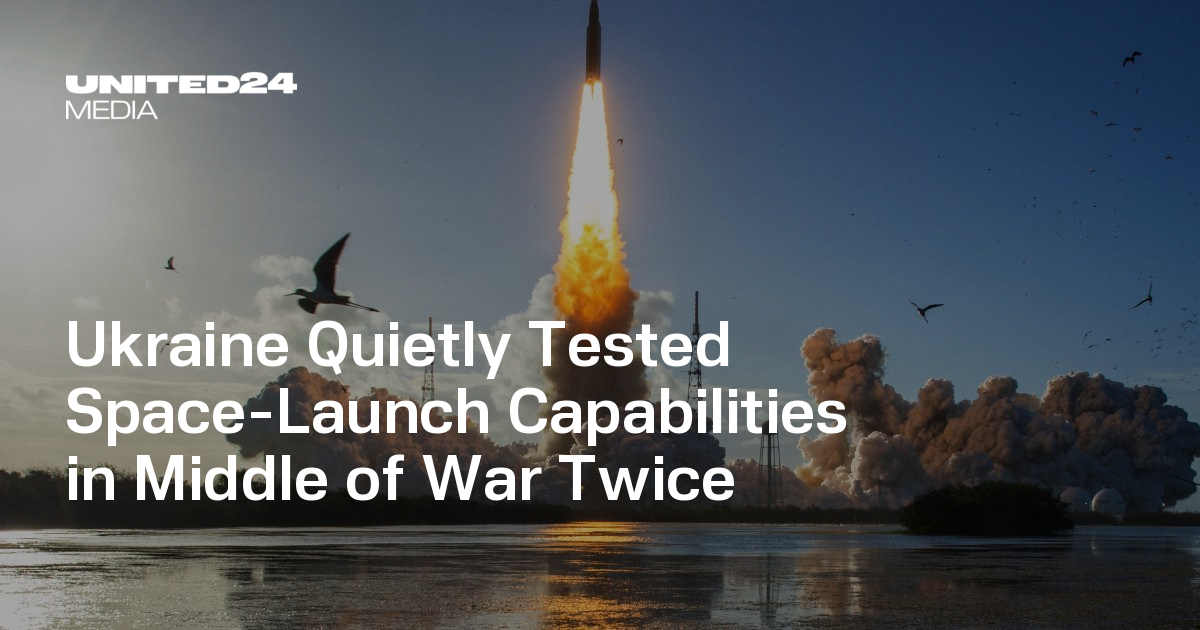
Ukraine’s military intelligence (GUR) carried out two rocket launches into space during the full‑scale war with Russia, a senior Ukrainian lawmaker said in interviews published April 13–14, 2026. Fedir Venislavskyi, chairman of a parliamentary subcommittee on state security and defense innovation, said the launches — conducted under then‑GUR chief Kyrylo Budanov — were recorded by technical monitoring systems and reached roughly the Kármán line (~100 km) and about 200–204 km. He also disclosed an air‑launch of a rocket carrier from a transport aircraft at roughly 8,000 metres (about 26,000 ft), which Ukraine described as a European first and the second such air‑launch globally. Venislavskyi framed the work as both operational and dual‑use: useful for placing satellites into low Earth orbit and potentially for countering advanced Russian hypersonic systems such as the Oreshnik. He said Ukraine aims to build initial surveillance and communications satellite networks and has preliminary international cooperation offers, while noting funding and wartime priorities constrain larger civil space projects.

🤝 Social Media Insights

Social Summary
1 / 5
Comments mainly clarify that reported altitudes imply suborbital tests rather than orbital launches, outline plausible uses (MRBM, ASAT, or small satellite constellations), and warn of escalation and serious space-debris risks if ASAT activity occurs.

Rheinmetall, Destinus form missile production joint venture

🏷️ Defense🌍 Germany🔥 Trending🔗 5 sources0Digest ScoreiThis score reflects the story's reliability, bias neutrality, and public momentum.
Rheinmetall, Destinus form missile production joint venture

📰 Full Story

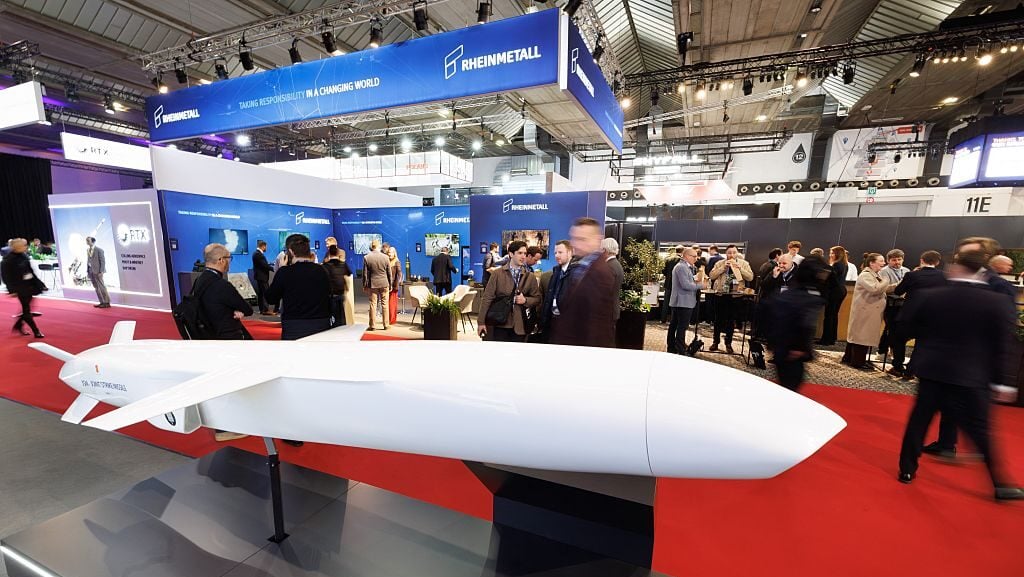
Germany’s Rheinmetall and Netherlands-based Destinus announced on April 13–14, 2026 plans to form a joint venture, Rheinmetall Destinus Strike Systems, to mass-produce advanced missile systems. The JV, to be established in the second half of 2026 pending approvals, will be majority-owned by Rheinmetall (51%) with Destinus holding 49%. It will be based in Germany (reported location: Unterlüß) and target European and NATO customers with cruise missiles, ballistic rocket artillery and related strike systems. The partners said the move addresses a European shortfall in industrial capacity for high-volume precision fires exposed by conflicts in Ukraine and the Middle East. Destinus brings weapon designs such as the Ruta Block 2 (reported >450 km range, ~250 kg warhead), turbojet propulsion, AI-enabled multimodal guidance and GNSS-denied navigation, while Rheinmetall supplies large-scale production, qualification infrastructure and NATO market access. The companies framed the JV as scaling missile production from limited batches to thousands of units annually, subject to regulatory clearance and wider export and integration considerations.

Australia names Susan Coyle first woman army chief

🏷️ Defense🌍 Australia🔥 Trending🔗 18 sources0Digest ScoreiThis score reflects the story's reliability, bias neutrality, and public momentum.
Australia names Susan Coyle first woman army chief

📰 Full Story

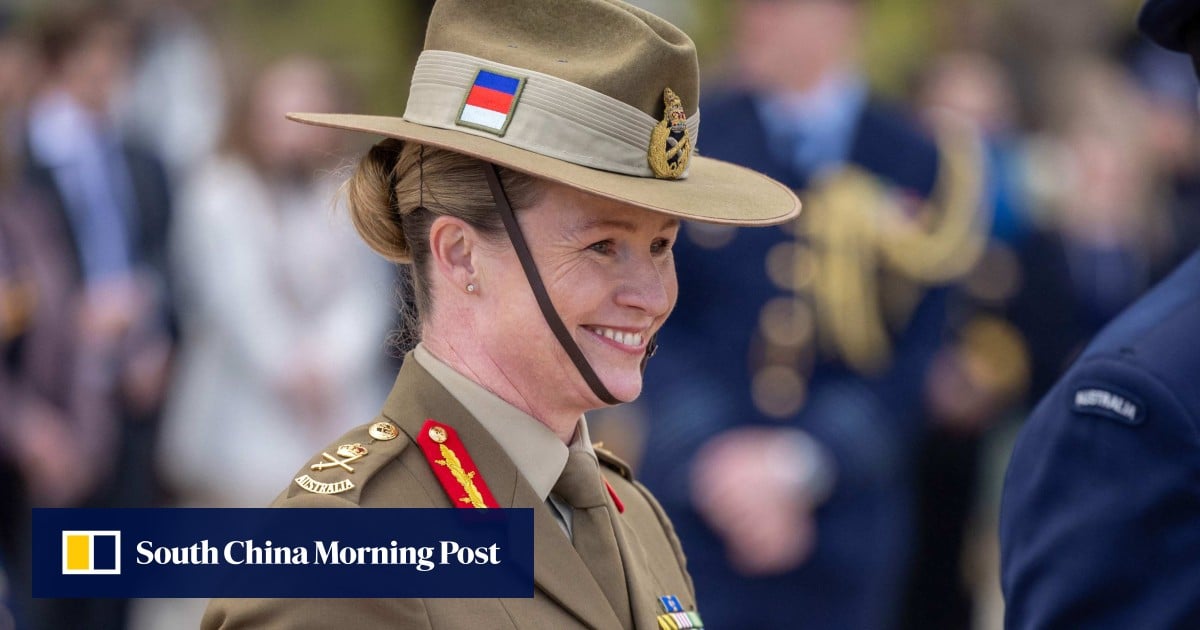
Australia on April 13 announced a major defence leadership reshuffle that will see Lieutenant General Susan Coyle become the first woman to command the Australian Army when she assumes the role in July. Coyle, 55, currently chief of joint capabilities, will replace Lieutenant General Simon Stuart on his retirement. The government also promoted Vice Admiral Mark Hammond to Chief of the Defence Force, succeeding Admiral David Johnston, and named Rear Admiral Matthew Buckley as the next chief of navy. Coyle, a career officer who joined the Army Reserve in 1987, has held senior roles in information warfare, space and cyber commands and commanded deployed forces in Afghanistan, the Middle East, Timor-Leste and the Solomon Islands. The appointments come as the Australian Defence Force seeks to boost female participation — women make up about 21% of personnel and 18.5% of senior leaders, with a 25% participation target by 2030 — and while the service faces a class-action lawsuit and allegations of systemic sexual harassment and discrimination. The reshuffle also occurs amid accelerated force modernisation, including investments in long-range strike, drones and AUKUS-related submarine planning.

🔗 Based On

US destroyers begin mine-clearing in Strait of Hormuz

🏷️ Defense🔥 Trending🔗 10 sources0Digest ScoreiThis score reflects the story's reliability, bias neutrality, and public momentum.
US destroyers begin mine-clearing in Strait of Hormuz

📰 Full Story

On April 11-12, 2026 U.S. Central Command said two Arleigh Burke-class guided‑missile destroyers — USS Frank E. Peterson (DDG 121) and USS Michael Murphy (DDG 112) — transited the Strait of Hormuz to begin operations to locate and clear naval mines reportedly laid by Iran’s Islamic Revolutionary Guard Corps. CENTCOM said additional assets, including underwater drones, will join the effort and that a defined safe passage for commercial traffic will be established and shared with the maritime industry. President Donald Trump publicly described the move as a favour to countries worldwide and said U.S. forces were “clearing out” the strait. Iranian state media and the IRGC warned that military vessels transiting the waterway would be “dealt with severely,” and Tehran has framed control of the chokepoint as a bargaining issue during mediation talks held in Islamabad. The Strait of Hormuz is a critical oil transit route, carrying about 20% of global crude; disruption since the Feb. 28 outbreak of war has already strained supplies and raised energy prices, and analysts warn recovery of shipping and refineries could take months even if the ceasefire holds.