NewsDigest

U.S. launches tariff refund portal for importers

🏷️ Finance & Economics🌍 United States🔗 6 sources41Digest ScoreiThis score reflects the story's reliability, bias neutrality, and public momentum.
U.S. launches tariff refund portal for importers

📰 Full Story

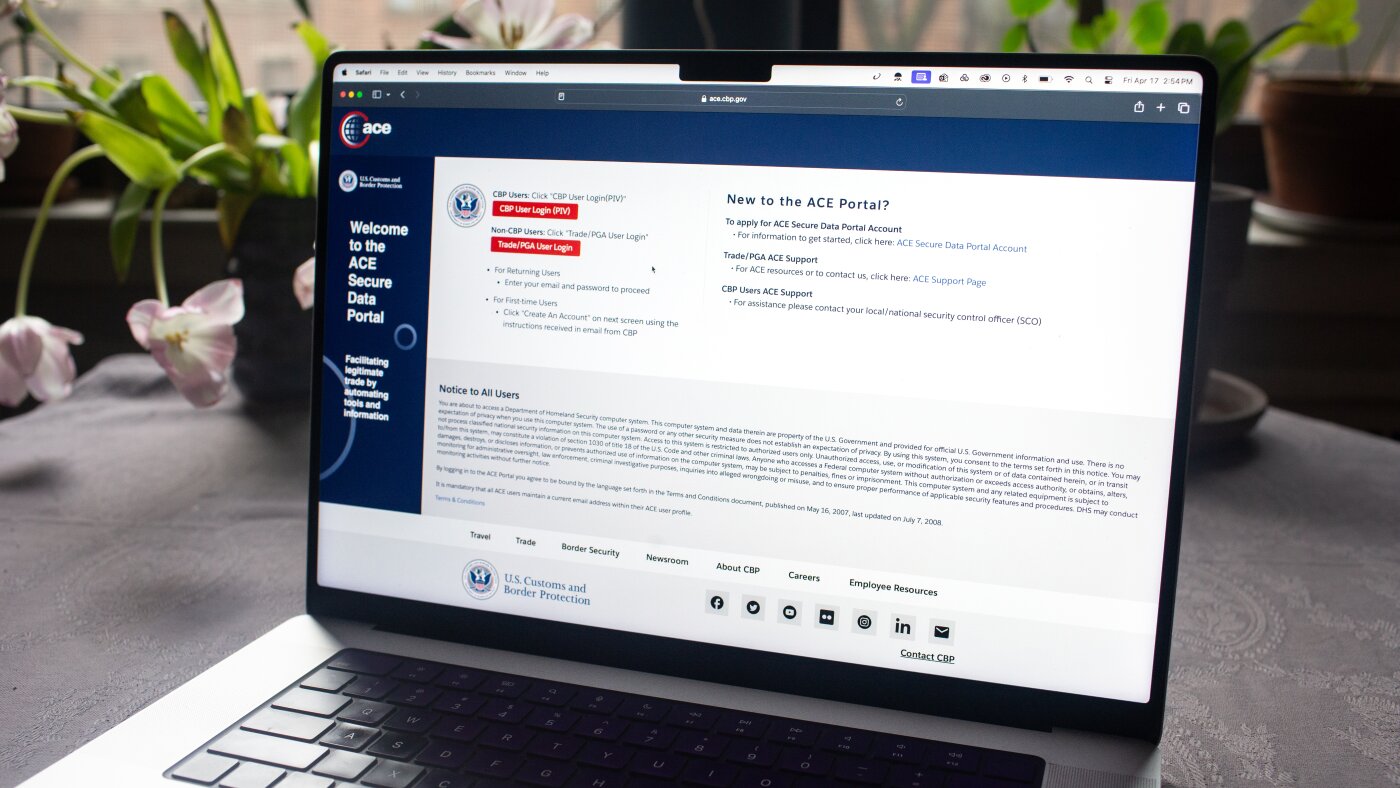
U.S. Customs and Border Protection is rolling out a new online refund system, CAPE (Consolidated Administration and Processing of Entries), to process claims tied to roughly $166 billion in tariffs the U.S. Supreme Court struck down in February. The portal will open Monday, April 20, 2026, and the initial phase covers entries worth about $127 billion for which roughly 56,497 importers had registered as of early April. Refunds are consolidated into electronic ACH payments to the importer of record or the customs broker and are expected to be issued about 60–90 days after claim approval. Phase 1 is limited to unliquidated entries or those liquidated within the past 80 days; more complex or older payments will be handled in later phases or manually. Businesses and customs brokers have warned of potential log‑in congestion, formatting errors and bank-account verification problems. Consumers are generally ineligible to claim refunds directly, prompting class-action suits and pledges from some firms (e.g., FedEx) to return any funds they receive to customers. The Biden administration’s timeline could still be affected by pending legal moves and appeals.

West Asia conflict revives stagflation risks

🏷️ Finance & Economics🔗 3 sources31Digest ScoreiThis score reflects the story's reliability, bias neutrality, and public momentum.
West Asia conflict revives stagflation risks

📰 Full Story

Seven weeks of war in West Asia and a recent ceasefire have not erased mounting economic damage, raising renewed fears of global stagflation, analysts and policymakers warned on April 19, 2026. Early April purchasing managers’ indexes (PMIs) and other business surveys due later this week — with key readings from Germany, France, the euro zone and the UK expected to weaken and US indicators seen broadly steady — will be watched for signs growth and inflation are both deteriorating. The IMF cautioned officials the shock could tip the world toward a near-recession even if hostilities subside, and S&P Global’s Chris Williamson flagged the stagflation risk. Energy-driven price pressures from higher oil and gasoline costs have already pushed up headline inflation in countries such as Canada and are likely to show through in upcoming national data. Central banks face a difficult policy mix with interest-rate decisions slated in a range of economies (including Turkey, Indonesia and parts of Asia) and major policymakers — including ECB economists — saying they will weigh fresh survey evidence as they set policy. The coming data flow will be critical in determining whether transitory price shocks morph into a more persistent global growth–inflation dilemma.

Tata Trusts to amend Bai Hirabai trust deed

🏷️ Finance & Economics🌍 India🔗 4 sources27Digest ScoreiThis score reflects the story's reliability, bias neutrality, and public momentum.
Tata Trusts to amend Bai Hirabai trust deed

📰 Full Story

Tata Trusts said on April 19 that trustees of the Bai Hirabai Jamsetji Tata Navsari Charitable Institution (BHJTNCI) have decided to initiate proceedings to amend restrictive clauses in the trust deed — including provisions that bar non‑Zoroastrians from serving as trustees. The decision follows a complaint by former trustee Mehli Mistry to the Maharashtra Charity Commissioner challenging the appointments of Venu Srinivasan and former defence secretary Vijay Singh on grounds of religion and residency. The trustees met on April 17 under Noel N. Tata and said the 1916 codicil to Sir Ratan Jamsetji Tata’s will did not impose faith‑based restrictions; the 1923 trust deed, however, contained clauses introduced later that restrained trustee eligibility. Tata Trusts noted non‑Zoroastrians have been appointed since 2000 after a legal opinion and that the trust’s objects were broadened in 2015 to include the general public. Venu Srinivasan has resigned, saying business commitments were the reason, while Tata Trusts reiterated support for CEO Siddharth Sharma. Any formal alteration to the deed will require approval from the appropriate authority.

Iran war wipes out $50 billion oil supply

🏷️ Finance & Economics🌍 Iran🔗 3 sources27Digest ScoreiThis score reflects the story's reliability, bias neutrality, and public momentum.
Iran war wipes out $50 billion oil supply

📰 Full Story

Nearly 50 days into the conflict with Iran, analysts and Reuters calculations say more than 500 million barrels of crude and condensate have been knocked out of the global market, representing roughly $50 billion in lost revenues at about $100 a barrel. The disruption — described as the largest energy supply shock in modern history — has seen Gulf Arab producers lose about 8 million barrels per day in March and production outages reach roughly 12 million bpd since late March. Jet fuel exports from six Gulf states fell from about 19.6 million barrels in February to 4.1 million for March and April. Global onshore crude inventories have drawn down by about 45 million barrels in April. Industry analysts warn heavier fields in Kuwait and Iraq may need four to five months to stabilise and that damage to refining capacity and Qatar’s Ras Laffan LNG complex could take years to fully repair. Iranian officials said the Strait of Hormuz remained open after a Lebanon ceasefire accord, while U.S. President Donald Trump said he expected a deal to end the war “soon.” Sources include Kpler, Wood Mackenzie and Reuters.

India-US negotiators meet in Washington for trade talks

🏷️ Finance & Economics🌍 United States🔗 3 sources26Digest ScoreiThis score reflects the story's reliability, bias neutrality, and public momentum.
India-US negotiators meet in Washington for trade talks

📰 Full Story

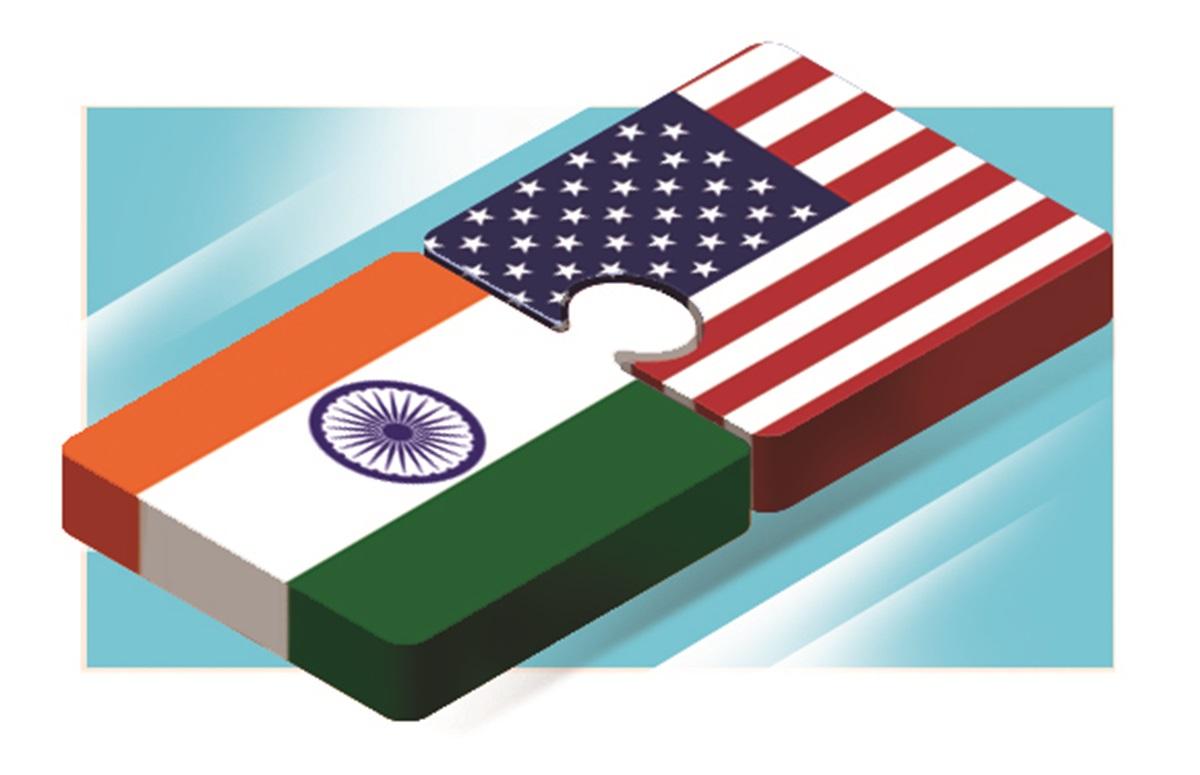
A delegation of around a dozen Indian officials will meet US counterparts in Washington from April 20-22, 2026 to resume talks on the first phase of a bilateral trade agreement (BTA). India’s chief negotiator, Darpan Jain, will lead a team that includes officers from customs and the external affairs ministry. The talks follow a Feb. 7 framework text under which the US had agreed to cut Indian tariffs to 18% from as high as 50% and remove a 25% tariff applied to purchases of Russian oil. The US Supreme Court’s Feb. 20 ruling against earlier reciprocal tariffs and the subsequent US decision to impose a 10% tariff on all countries for 150 days (from Feb. 24) have altered the landscape, prompting both sides to consider recalibration and redrafting of the draft pact. The agenda is also expected to address two Section 301 investigations opened by the US Trade Representative, which India has rejected and asked to terminate. Under earlier understandings India had offered wide tariff reductions and signalled purchases of about $500 billion in US energy, aerospace and technology goods over five years.

🔗 Based On

Deccan Chronicle - News Headlines | Today Headlines | Hyderabad News | English News | Top Stories | Breaking newsIndian Team To Reach Washington On April 20 For India-US Trade Talk

IMF, World Bank Warn of Limits Amid Energy Shock

🏷️ Finance & Economics🌍 United States🔗 3 sources24Digest ScoreiThis score reflects the story's reliability, bias neutrality, and public momentum.
IMF, World Bank Warn of Limits Amid Energy Shock

📰 Full Story

WASHINGTON, April 19, 2026 — Finance chiefs at the IMF and World Bank Spring Meetings acknowledged the institutions’ limited ability to shield the global economy from frequent geopolitical shocks, as a Middle East conflict and attacks on shipping deepened energy price and supply disruptions. Officials pledged up to $150 billion in new financing for developing countries most affected by the shock and announced re-engagement with Venezuela’s acting government after a seven-year pause. The IMF cut its 2026 growth forecast to 3.1% under its most optimistic scenario, while warning the outlook may deteriorate toward a 2.5% scenario if the war is prolonged. Delegates urged restraint on fuel subsidies and oil hoarding, and U.S. Treasury Secretary Scott Bessent proposed a G20-IMF-World Bank initiative to secure fertilizer supplies. Participants expressed frustration at being sidelined by diplomatic developments between the U.S. and Iran over the Strait of Hormuz, with several officials saying that reopening the strait and restoring safe tanker passage are critical to stabilizing markets. The meetings underscored rising policy uncertainty and heightened risks to growth, especially for emerging economies.

Air India unveils first retrofitted Boeing 787-8

🏷️ Finance & Economics🌍 India🔗 4 sources24Digest ScoreiThis score reflects the story's reliability, bias neutrality, and public momentum.
Air India unveils first retrofitted Boeing 787-8

📰 Full Story

Air India has inducted its first retrofitted Boeing 787-8 as part of a roughly $400 million programme to modernise its legacy widebody fleet. The aircraft (VT-ANT), which landed in New Delhi on April 13, was overhauled at Boeing’s Modification Center in Victorville, California, and repainted in San Bernardino. The cabin has been reconfigured from two classes to three — 20 business suites, 25 premium-economy seats and 205 economy seats (about 250 total) — and fitted with new seats, inflight entertainment, LED lighting, refreshed galleys and lavatories. Air India says the first retrofit took 45 days and ~12,825 manhours. The carrier expects another seven to eight B787-8s to be completed this year and says around 25 more 787s are in the programme; management aims to finish B787-8 retrofits by Q1 2028. However, company executives and independent reporting note broader legacy-widebody work — including planned B777 retrofits starting in H2 2027 — may be extended to 2029 amid supply-chain and certification delays. Air India operates roughly 185–190 aircraft, including some 26 legacy 787-8s and several 787-9s.

Record U.S. drought threatens water, crops, fires

🏷️ Finance & Economics🌍 United States🔗 4 sources23Digest ScoreiThis score reflects the story's reliability, bias neutrality, and public momentum.
Record U.S. drought threatens water, crops, fires

📰 Full Story

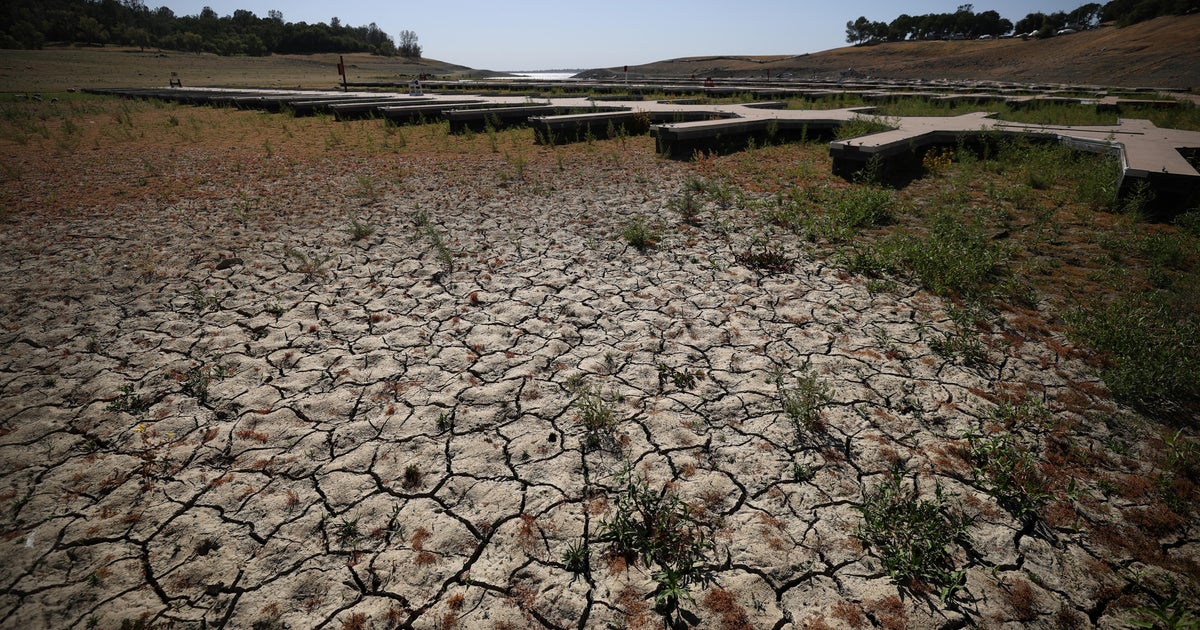
Drought across the contiguous United States has reached record levels for this time of year, raising alarms about wildfire risk, water shortages and food prices. More than 61% of the Lower 48 is in moderate to exceptional drought, including roughly 97% of the Southeast and about two-thirds of the West, according to the U.S. Drought Monitor. NOAA’s Palmer Drought Severity Index hit its highest March level since records began in 1895, and last month ranked as the third-driest month on record. Much of the West is facing historic low snowpack in states including New Mexico, Arizona, Colorado and Utah, removing a crucial water storage buffer for summer. A separate jet-stream driven drought has left the South — from Texas to the East Coast — parched; NOAA estimates it would take roughly 19 inches of rain in a month to erase deficits in eastern Texas and more than a foot for much of the Southeast. Scientists point to extreme heat and a 77%‑above‑normal vapor pressure deficit in the West as drivers. Officials warn the conditions heighten wildfire potential, threaten reservoirs and the Colorado River system, and could reduce crop yields, pushing U.S. — and potentially global — food prices higher as a predicted El Niño complicates outlooks.

India banks expect 11-13% credit growth

🏷️ Finance & Economics🌍 India🔗 3 sources23Digest ScoreiThis score reflects the story's reliability, bias neutrality, and public momentum.
India banks expect 11-13% credit growth

📰 Full Story

India’s banking sector is forecast to register robust non-food credit growth of 11–13% in January–June 2026, according to the 21st FICCI-IBA Bankers’ Survey released April 19. The survey of 24 lenders (public, private, foreign, small finance and cooperative banks) — conducted in January–February 2026 — found 46% of respondents favoring the 11–13% band, 29% expecting growth above 13%, 17% at 9–11% and 8% below 9%. Retail lending is cited as the principal driver, with 52% of banks expecting retail growth to exceed 13%. Industrial credit is seen expanding more modestly at about 9–13%, led by infrastructure, real estate, autos, pharmaceuticals, textiles and engineering goods; term-loan demand is also expected from data centres and defence projects. Banks signalled steady monetary conditions over the next six months. Strategic themes highlighted include AI as a disruptive force, cybersecurity as the top risk, and sustainable finance — notably renewable energy — as the fastest-growing product segment.

India approves Rs 12,980 crore maritime insurance pool

🏷️ Finance & Economics🌍 India🔥 Trending🔗 3 sources17Digest ScoreiThis score reflects the story's reliability, bias neutrality, and public momentum.
India approves Rs 12,980 crore maritime insurance pool

📰 Full Story

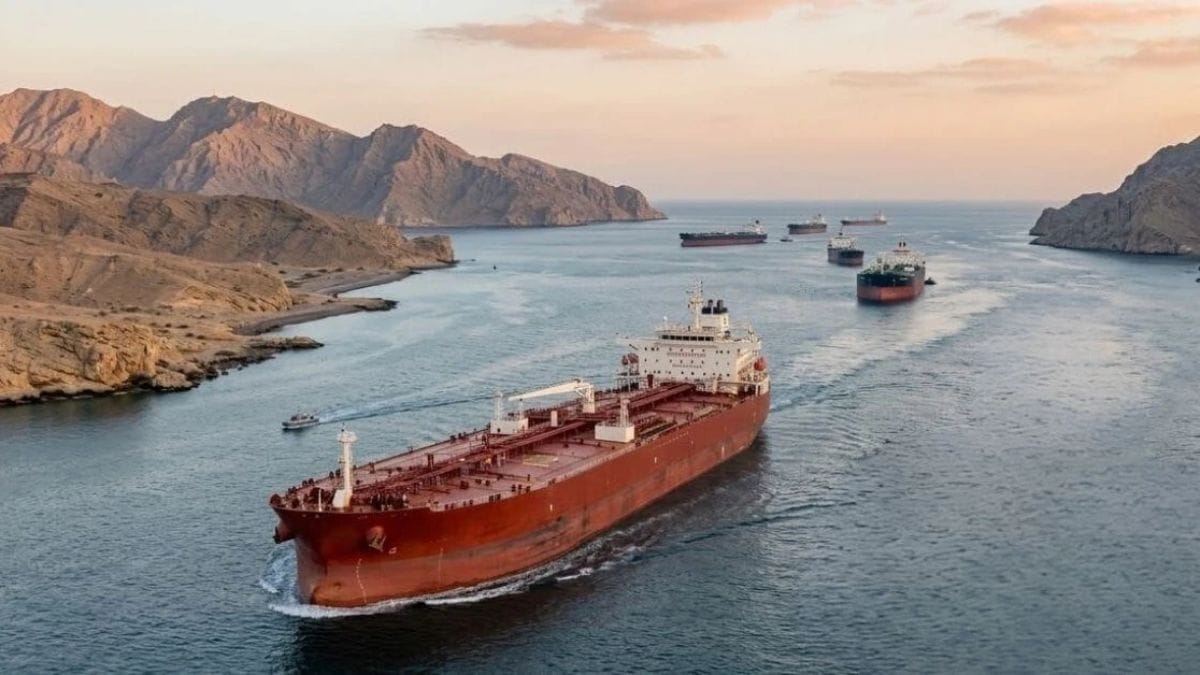
India’s Union Cabinet approved the creation of the Bharat Maritime Insurance (BMI) Pool on April 18–19, 2026, providing a sovereign guarantee of Rs 12,980 crore to ensure continuity of maritime insurance cover amid a spike in premiums following the West Asia conflict. The pool will underwrite Hull & Machinery, Cargo, Protection & Indemnity (P&I) and war risks for Indian-flagged vessels and ships carrying goods to and from Indian ports, using a combined underwriting capacity of roughly Rs 950 crore among member insurers. The government said the move aims to shield trade from sudden withdrawals or price shocks by global insurers and reinsurers, reduce dependence on International Group P&I clubs, and develop domestic marine underwriting and claims expertise. Industry sources note freight and insurance costs have surged since February 28, with war-risk premiums in some zones rising sharply. While experts welcome the initiative’s potential to stabilise costs and protect exporters, some warn that the pool’s initial capacity may be insufficient for very large vessels and extreme loss scenarios, and that the sovereign guarantee exposes the government to contingent fiscal risks.

Lenskart issues inclusive style guide after religious row

🏷️ Finance & Economics🌍 India🔗 3 sources16Digest ScoreiThis score reflects the story's reliability, bias neutrality, and public momentum.
Lenskart issues inclusive style guide after religious row

📰 Full Story

Lenskart on April 18-19 published a revised, standardised in‑store “Grooming and Style Guide” after viral social media posts and employee accounts alleged the company’s internal guidance discriminated against some religious symbols. An outdated internal training note that reportedly prohibited Hindu markers such as bindi and tilak while permitting hijabs and turbans sparked online backlash, boycott calls and public apologies from CEO Peyush Bansal. Lenskart said the problematic wording had been removed internally in February but acknowledged the circulation of old materials caused hurt. The new guide explicitly welcomes religious and cultural markers — including bindi, tilak, sindoor, kalawa, mangalsutra, kada, hijab and turban — and introduces a “reasonable accommodation” clause encouraging dialogue with HR. Lenskart, which operates more than 2,400 stores across India and recently completed an IPO, said it will apply the guidelines fairly and review related policies, training and communications to rebuild trust. Some former employees had alleged audit scores and incentives were affected by religious displays; the company has not publicly resolved individual claims.

Ontario premier to sell $28.9M government jet

🏷️ Finance & Economics🌍 Canada🔥 Trending🔗 7 sources16Digest ScoreiThis score reflects the story's reliability, bias neutrality, and public momentum.
Ontario premier to sell $28.9M government jet

📰 Full Story

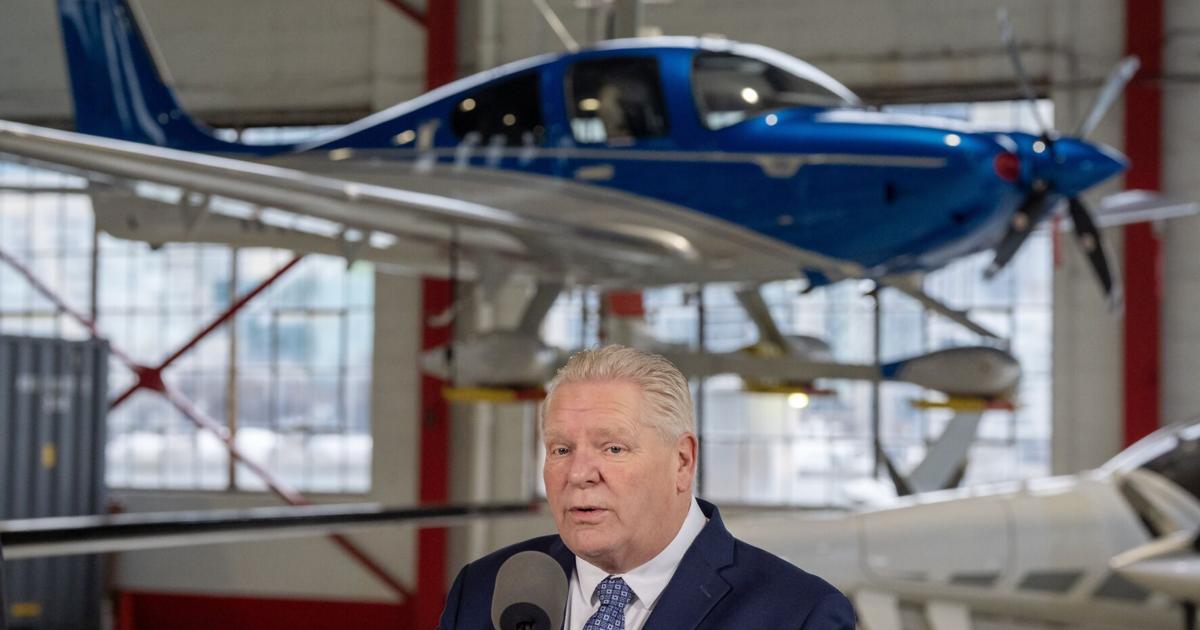
Ontario Premier Doug Ford said on April 19, 2026 the provincial government will sell a recently purchased Bombardier Challenger 650 executive jet after fierce public and political backlash. The province took possession of the pre-owned 2016 Challenger 650 this week; the purchase price was reported at C$28.9 million. Ford had defended the acquisition as providing “certain, flexible, secure and confidential travel” to support interprovincial and U.S. travel and to press trade concerns, but said in a statement he now agrees “it is not the right time for the expense of a government plane.” Opposition leaders and advocacy groups denounced the buy — dubbing it a “gravy plane” — and warned that cancelling or reselling the aircraft could leave taxpayers exposed to losses or a months-long liability while it sits on the books. The government said it is working with Bombardier and other partners to sell the jet “as quickly as possible.” The episode revived debate in Ontario over the use of executive aircraft, procurement transparency and the optics of high-cost purchases during affordability pressures and rising provincial debt service costs.

Three sentenced over California bear-suit insurance scam

🏷️ Finance & Economics🌍 United States🔥 Trending🔗 8 sources15Digest ScoreiThis score reflects the story's reliability, bias neutrality, and public momentum.
Three sentenced over California bear-suit insurance scam

📰 Full Story

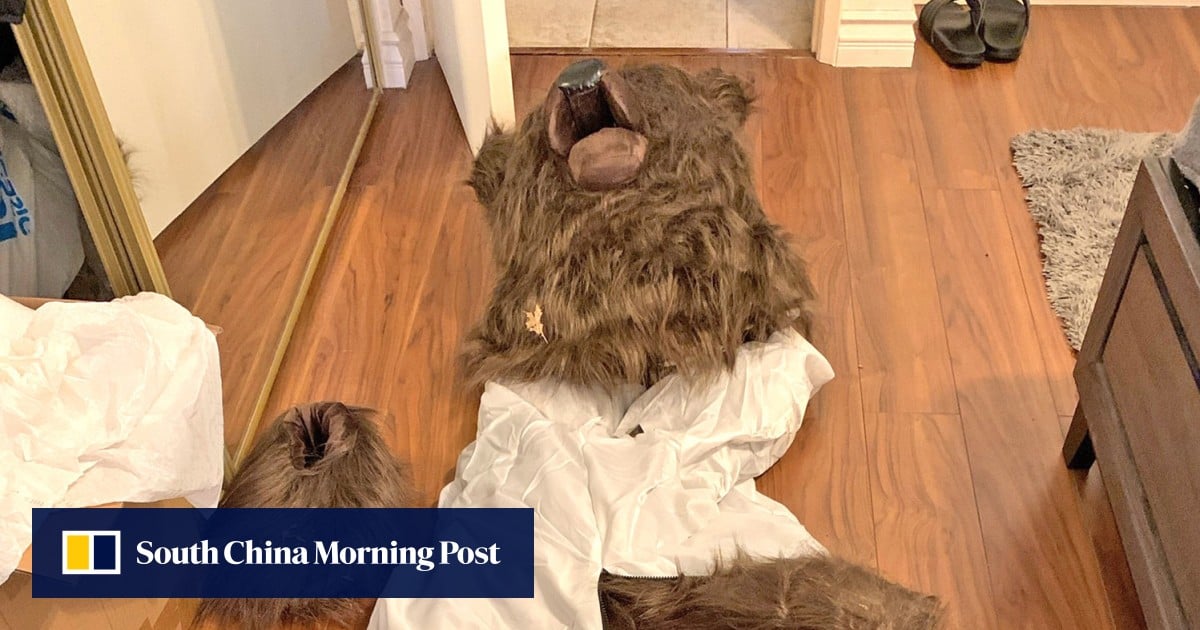
Three Southern California residents were sentenced in April 2026 after prosecutors said they staged fake bear attacks on luxury cars and collected nearly $142,000 in insurance payouts. The California Department of Insurance, calling the probe “Operation Bear Claw,” said the group submitted claims and videos showing a bear rifling through a 2010 Rolls‑Royce Ghost and two Mercedes at Lake Arrowhead in the San Bernardino Mountains on Jan. 28, 2024. Investigators and a California Department of Fish and Wildlife biologist concluded the footage showed “clearly a human in a bear suit.” Detectives executing a search warrant recovered an elaborate brown bear costume and meat‑shredding handles used to create claw marks inside the vehicles. Three defendants pleaded no contest to felony insurance fraud and were sentenced to jail time and probation; reports varied on the exact jail terms (some outlets cited 180 days, others a weekend jail programme). Two were ordered to pay more than $50,000 each in restitution. A fourth suspect faces a preliminary hearing in September 2026. Authorities said the scheme targeted multiple insurers by filing nearly identical claims for the same date and location.

Mythos AI sparks global banking and regulator alarm

🏷️ Finance & Economics🌍 United States🔗 11 sources15Digest ScoreiThis score reflects the story's reliability, bias neutrality, and public momentum.
Mythos AI sparks global banking and regulator alarm

📰 Full Story

Anthropic’s new frontier AI, Claude Mythos, has prompted crisis meetings among finance ministers, central bankers and industry chiefs after the company said the model can rapidly find and exploit long‑running software vulnerabilities. Anthropic released a restricted preview and has offered access to selected technology and security firms under Project Glasswing — including Amazon Web Services, Apple, Microsoft, Google, Nvidia, CrowdStrike and others — while not making Mythos publicly available. Developer claims that Mythos has uncovered thousands of high‑severity flaws in operating systems, web browsers and other critical software have led regulators and banks to scramble to assess exposures. Barclays CEO C.S. Venkatakrishnan warned at the G30/IMF spring meeting (April 17) that Mythos is a “serious issue” and that successor models will follow. Bank of Canada Governor Tiff Macklem said he had discussed risks with Federal Reserve chair Jerome Powell and the Financial Stability Board is gathering and sharing information. Independent testing (UK AI Security Institute) finds Mythos powerful against weakly defended systems but not definitively superior to some predecessors. U.S. Treasury and major banks have been urged to test systems before any wider release.

QVC Group Files Chapter 11, Seeks Debt Cut

🏷️ Finance & Economics🌍 United States🔗 10 sources12Digest ScoreiThis score reflects the story's reliability, bias neutrality, and public momentum.
QVC Group Files Chapter 11, Seeks Debt Cut

📰 Full Story

QVC Group, the U.S. owner of cable shopping channels QVC and HSN, filed for Chapter 11 bankruptcy protection in the U.S. Bankruptcy Court for the Southern District of Texas on April 16-17, 2026, after striking a Restructuring Support Agreement (RSA) with a majority of its lenders. The RSA would reduce funded debt from roughly $6.6 billion to about $1.3 billion and aims to allow the company to emerge from court-supervised restructuring within roughly 60–90 days. The filing covers U.S. subsidiaries; international operations in the U.K., Germany, Japan and Italy are not part of the case. QVC Group said it has more than $1 billion in domestic cash (as of Dec. 31, 2025), will continue normal operations across TV, streaming, social and retail channels, and expects vendors and general unsecured creditors to be paid in full. Management said there are no planned layoffs or furloughs and employee wages and benefits will continue. The company has enlisted Kirkland & Ellis, Gray Reed, Evercore and AlixPartners as advisers and will reorganize as Reorganized QVC, Inc.

Meta to cut 8,000 jobs in May

🏷️ Finance & Economics🌍 United States🔗 5 sources10Digest ScoreiThis score reflects the story's reliability, bias neutrality, and public momentum.
Meta to cut 8,000 jobs in May

📰 Full Story

Meta plans to lay off roughly 8,000 employees — about 10% of its global workforce — in an initial round scheduled for May 20, according to people familiar with the matter cited by Reuters on April 18, 2026. Company leaders are reported to be planning further reductions later in the year, though the timing and scale of any subsequent rounds have not been finalised and could be adjusted depending on developments in artificial intelligence. The moves mark Meta’s largest single downsizing since the 2022–23 restructuring and come as CEO Mark Zuckerberg shifts resources from metaverse and VR projects toward large-scale AI investments. Meta had nearly 79,000 staff at the end of 2025. A company spokesperson has previously described early reporting as “speculative.” The announcement follows a wider wave of tech layoffs tied by executives to efficiency gains from AI at firms including Snap, Amazon and others, and comes amid continued heavy capital spending and hiring earlier in the pandemic era.

🤝 Social Media Insights

Social Summary
1 / 5
Workers report disrupted hiring as recruiters themselves were cut, while the broader conversation frames layoffs as trimming failed R&D or noncore roles amid a pivot to AI. The narrative that AI alone causes job cuts is questioned; commenters foresee continued cycles of cuts and rehiring.

ICICI Bank Q4 Profit Rises on Loan Growth

🏷️ Finance & Economics🌍 India🔥 Trending🔗 6 sources10Digest ScoreiThis score reflects the story's reliability, bias neutrality, and public momentum.
ICICI Bank Q4 Profit Rises on Loan Growth

📰 Full Story

ICICI Bank reported stronger-than-expected fourth-quarter results on April 18, 2026, driven by robust loan growth, improved asset quality and sharply lower provisions. Standalone net profit rose about 8.5% year-on-year to ₹13,702 crore (₹137.02 billion reported as PAT in some filings), while consolidated profit was reported at ₹14,755 crore. Total advances increased 15.8% year-on-year and deposits grew 11.4%, supporting net interest income which rose 8.4% to ₹22,979 crore and a stable net interest margin of 4.32%. Quarterly provisions fell materially to roughly ₹96 crore as recoveries and write-backs outweighed new delinquencies; gross NPAs eased to 1.4% and net NPAs to 0.33%. The bank reported a modest treasury loss (about ₹106 crore) and higher operating expenses (up ~12% YoY). The board recommended a dividend of ₹12 per share and cleared plans for domestic and offshore debt issuances and other corporate actions. Management flagged ongoing geopolitical uncertainty but expressed confidence in continued retail and business lending momentum.

DeepSeek Seeks $300 Million at $ $10 Billion Valuation

🏷️ Finance & Economics🌍 China🔗 4 sources9Digest ScoreiThis score reflects the story's reliability, bias neutrality, and public momentum.
DeepSeek Seeks $300 Million at $ $10 Billion Valuation

📰 Full Story

Chinese artificial intelligence startup DeepSeek is in talks to raise at least $300 million at a valuation of about $10 billion, multiple reports said on April 17-18, 2026. The potential round would be the company’s first external funding after earlier rebuffing offers from major Chinese venture capital firms and tech giants. DeepSeek’s low-cost models disrupted markets in 2025 by briefly matching top U.S. systems and have since become a focal point in global AI competition. Reuters and other outlets said the fundraising push underscores rising capital needs for developing and operating advanced large models and agentic systems. Earlier reporting indicates DeepSeek declined to share its flagship model with some U.S. chipmakers for optimization and reportedly trained a recent model on Nvidia hardware despite export restrictions. That, combined with Beijing’s push to shift firms to domestic processors, could complicate potential Western investment. DeepSeek did not immediately comment and the reports could not be independently verified. If completed, the round would mark a strategic shift for the company as it seeks compute capacity and engineering resources to close gaps with leading Western models.

Fed's Waller: Iran war could block rate cuts

🏷️ Finance & Economics🌍 United States🔗 4 sources9Digest ScoreiThis score reflects the story's reliability, bias neutrality, and public momentum.
Fed's Waller: Iran war could block rate cuts

📰 Full Story

Federal Reserve Governor Christopher Waller said on April 17 that a swift end to the U.S.-Israeli conflict with Iran could keep the door open for interest-rate cuts later in 2026, but a prolonged war — particularly one that constrains the Strait of Hormuz — would likely keep inflation elevated and force the Fed to hold policy rates. Speaking at Auburn University ahead of the April 28-29 FOMC meeting blackout, Waller outlined two scenarios: one in which energy markets reopen and underlying inflation drifts toward the Fed’s 2% goal, and another where sustained high energy prices embed broader inflationary pressures across goods and services. He estimated March personal consumption expenditures inflation near 3.5% and warned that sequential shocks (tariffs followed by an energy shock) complicate policymakers’ ability to look through transitory spikes. Waller also noted that lower net immigration and an aging population have reduced the level of job creation needed to keep unemployment steady, and he downplayed systemic risks from private credit. Markets reacted to the conflict with higher oil and gasoline prices and shifted expectations on the timing of Fed easing.

India raises dearness allowance by 2%

🏷️ Finance & Economics🌍 India🔥 Trending🔗 4 sources8Digest ScoreiThis score reflects the story's reliability, bias neutrality, and public momentum.
India raises dearness allowance by 2%

📰 Full Story

The Union Cabinet on April 18, 2026 approved a 2 percentage-point increase in Dearness Allowance (DA) and Dearness Relief (DR) for central government employees and pensioners, raising the rate from 58% to 60% of basic pay with effect from January 1, 2026. The decision, announced by Information and Broadcasting Minister Ashwini Vaishnaw, covers about 50.46 lakh central employees and roughly 68.27 lakh pensioners. The move will be paid with retrospective arrears for January–March 2026 as a lump-sum and is estimated to cost the exchequer about Rs 6,791.24 crore annually. The revision follows the established formula under the 7th Central Pay Commission and comes amid modest consumer inflation (CPI around 3.4% in March 2026). Government statements and media estimates outline variable monthly gains depending on pay level; for example, a basic pay of Rs 50,000 would see DA rise by Rs 1,000. The Cabinet’s biannual review mechanism means another adjustment could follow in July 2026.