NewsDigest

Lyrid Meteor Shower Peaks in Moonless Skies

🏷️ Science & Space🔥 Trending🔗 7 sources13Digest ScoreiThis score reflects the story's reliability, bias neutrality, and public momentum.
Lyrid Meteor Shower Peaks in Moonless Skies

📰 Full Story

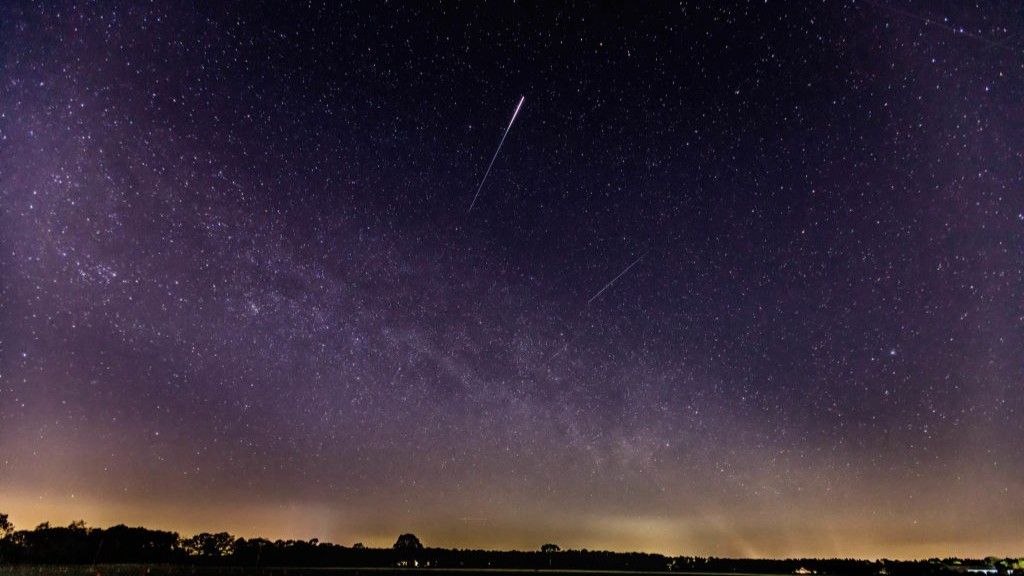
The annual Lyrid meteor shower will peak in moonless skies overnight April 21–22, 2026, offering skywatchers a good opportunity to see fast, bright meteors and occasional fireballs. The Lyrids run April 14–30 and typically produce about 10–20 meteors per hour under ideal, dark-sky conditions; some outlets cite peak rates of 15–20 per hour. The shower’s radiant lies in the constellation Lyra near the bright star Vega. This year’s favourable timing — with a new moon on April 17 leaving dark pre-dawn hours for the peak — should improve visibility, especially across Northern Hemisphere latitudes. The Lyrids originate from debris shed by Comet C/1861 G1 (Thatcher), a long‑period comet with an ~415‑year orbit. Historical outbursts have occasionally produced much higher rates, but such spikes are rare and unpredictable. Recommended viewing advice includes finding a dark, unobstructed site, allowing 20–30 minutes for night‑vision adaptation, facing away from city lights, and scanning wide areas of sky rather than staring at the radiant.
Light winds could drive 10-foot waves on Titan

🏷️ Science & Space🔗 3 sources9Digest ScoreiThis score reflects the story's reliability, bias neutrality, and public momentum.
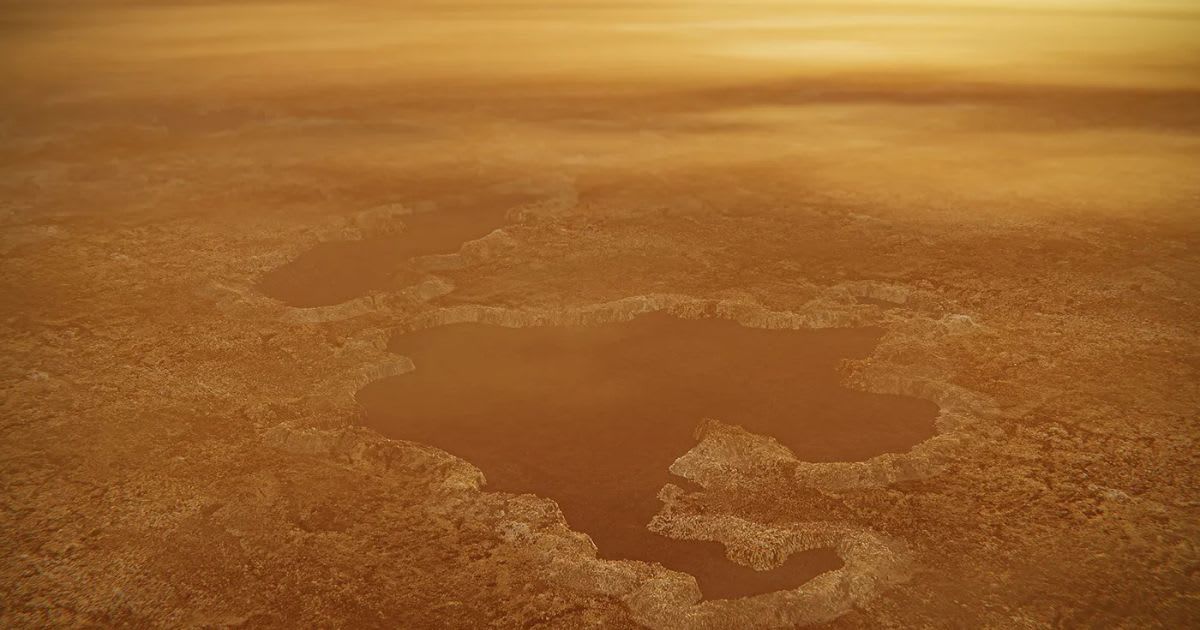
Light winds could drive 10-foot waves on Titan

📰 Full Story

A new wave-physics model developed by researchers at MIT predicts that gentle breezes on Saturn’s moon Titan could generate waves up to about 3 metres (10 feet) high on its hydrocarbon lakes. The model, dubbed PlanetWaves, extends traditional wind-wave theory by incorporating atmospheric pressure and the liquids’ properties—density, viscosity and surface tension—then was validated against 20 years of Lake Superior buoy data. Low gravity (about 14% of Earth’s) and the light nature of methane-ethane mixtures mean modest winds can build large, slow-moving swells over long fetches. The result helps reconcile Cassini’s largely smooth radar returns with geomorphic evidence for shoreline erosion and transient radar-bright patches observed in some flybys. Lead authors including Una Schneck and collaborators Andrew Ashton and Taylor Perron note the findings matter for interpreting Titan’s coastal features and for engineering any future lake-going or floatation probes; they also have implications for modeling waves on other worlds and some exoplanet scenarios.

Astronomers measure Cygnus X-1 jet power

🏷️ Science & Space🔗 4 sources5Digest ScoreiThis score reflects the story's reliability, bias neutrality, and public momentum.
Astronomers measure Cygnus X-1 jet power

📰 Full Story

Using 18 years of very long baseline interferometry (VLBI) radio observations, an international team has for the first time derived a real-time measurement of the kinetic power and speed of jets from the stellar-mass black hole Cygnus X-1. The system — a ~21-solar-mass black hole orbiting a ~40-solar-mass O-type star, HDE 226868 — shows jets bent repeatedly by the companion’s fierce stellar wind. By modelling the wind’s ram pressure and matching the observed jet deflection, researchers infer an instantaneous kinetic power of roughly 2×10^37 ergs per second (often translated as the equivalent output of ~10,000 Suns) and a jet speed near half the speed of light. The study finds the jets carry about 10% of the accretion energy. Results are reported in Nature Astronomy and rely on data from the European VLBI Network and collaborators including the International Centre for Radio Astronomy Research.

Blue Origin reuses New Glenn but satellite placed low

🏷️ Science & Space🌍 United States🔥 Trending🔗 22 sources4Digest ScoreiThis score reflects the story's reliability, bias neutrality, and public momentum.
Blue Origin reuses New Glenn but satellite placed low

📰 Full Story

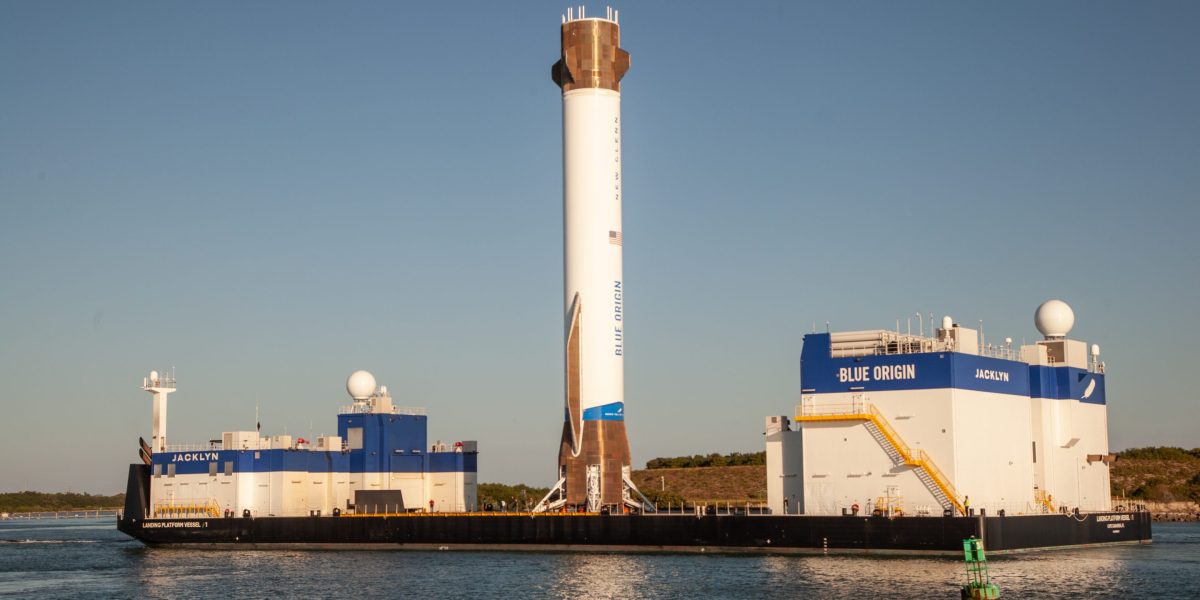
Blue Origin’s New Glenn rocket launched from Cape Canaveral on April 19, 2026, achieving the company’s first reuse of a New Glenn first stage but failing to place its customer payload into the intended orbit. Liftoff occurred at about 7:25 a.m. EDT; the booster — nicknamed “Never Tell Me The Odds” — successfully returned to and landed on the droneship Jacklyn. AST SpaceMobile’s BlueBird 7 satellite separated and powered on, but Blue Origin and AST said the upper stage placed it into a lower-than-planned, off-nominal orbit. AST SpaceMobile said the altitude is too low for the satellite’s on‑board thrusters to correct and the craft will be de‑orbited; the firm expects the financial loss to be covered by insurance. BlueBird 7 is one of AST’s large “Block 2” direct-to-cellphone relay satellites, featuring a roughly 2,400 sq ft phased-array antenna and intended to expand the company’s space‑based cellular broadband constellation. Both companies have opened investigations; Blue Origin is assessing the second‑stage performance and the implications for future New Glenn missions, including planned launches tied to NASA and Blue Origin’s lunar lander program.

🤝 Social Media Insights

Social Summary
1 / 5
Tracking data indicate an upper‑stage relight failure left BlueBird 7 in a 154 x 494 km orbit instead of 460 x 460 km. The low perigee will cause re‑entry within days–weeks; the payload is insured and AST has other launch options, though revenue impacts and specific insurance coverages may vary.

Coronal hole sparks geomagnetic storm, auroras possible

🏷️ Science & Space🌍 United States🔗 3 sources4Digest ScoreiThis score reflects the story's reliability, bias neutrality, and public momentum.
Coronal hole sparks geomagnetic storm, auroras possible

📰 Full Story

A fast stream of solar wind driven by a large coronal hole is expected to reach Earth on April 17–18, 2026, prompting NOAA’s Space Weather Prediction Center to issue a G2 (moderate) geomagnetic storm watch and the U.K. Met Office to warn of possible G3 (strong) bursts. Measured solar wind speeds are forecast at up to about 430 miles per second (700 km/s). If conditions intensify, auroras could be pushed into mid-latitudes and be visible across much of the northern United States — potentially as far south as Illinois and Oregon — during peak windows the evening of April 17 into the early hours of April 18. Forecast models note uncertainty because the southward component of the interplanetary magnetic field (Bz) will control how far south the aurora oval shifts. Operators have also been warned that G2 conditions can cause increased drag on low-Earth orbit satellites and voltage irregularities in high-latitude power systems; aviation and communications services may see intermittent impacts.

Study suggests lake spillover carved Grand Canyon

🏷️ Science & Space🌍 United States🔗 3 sources4Digest ScoreiThis score reflects the story's reliability, bias neutrality, and public momentum.
Study suggests lake spillover carved Grand Canyon

📰 Full Story

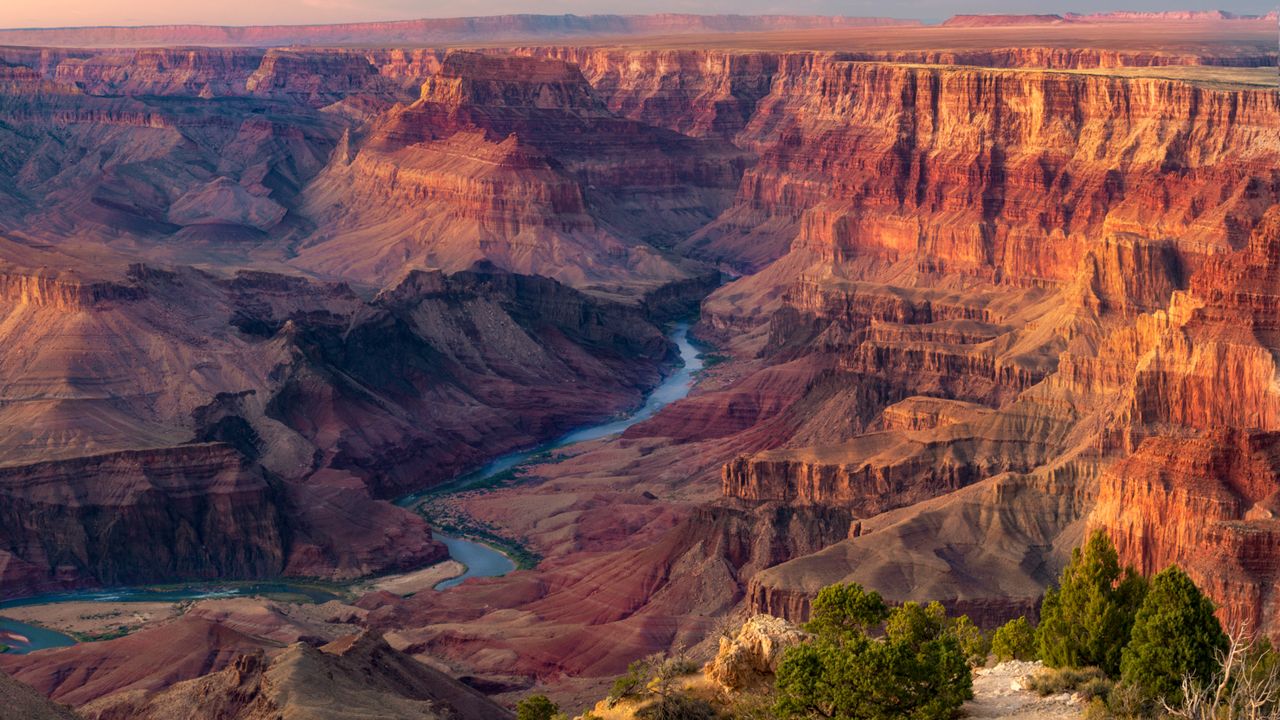
A multi-institution research team publishing in Science in April 2026 presents evidence that the ancestral Colorado River pooled in the Bidahochi Basin of northeastern Arizona before spilling westward and carving the Grand Canyon. Using detrital zircon geochronology and ash-bed dating, researchers matched tiny zircon grains in Bidahochi sediments to upstream Colorado River sources, showing river-borne material present about 6.6 million years ago. The authors infer a wide, shallow Bidahochi (Hopi) lake that filled and began spilling across the Colorado Plateau around 5.6 million years ago, routing incision through the Kaibab Arch and downstream basin spillovers that ultimately delivered the river to the Gulf of California by about 4.8 million years ago. Paleontological hints — fossils of fish with features seen in modern fast‑water species — and increased downstream sedimentation support a transition to a riverine system. The interpretation remains contested: other geologists argue alternative pathways and earlier notching of the Kaibab Arch by tributaries, so the lake‑spillover model is not universally accepted.

Geomagnetic Storm May Bring Auroras to Mid‑Latitudes

🏷️ Science & Space🌍 United States🔗 3 sources3Digest ScoreiThis score reflects the story's reliability, bias neutrality, and public momentum.
Geomagnetic Storm May Bring Auroras to Mid‑Latitudes

📰 Full Story

A surge of fast solar wind is expected to spark geomagnetic activity on April 17–18, 2026, potentially pushing northern lights far south into mid-latitude U.S. states. NOAA’s Space Weather Prediction Center has issued a moderate (G2) geomagnetic storm watch for the period, while the U.K. Met Office warns of possible strong (G3) bursts if activity intensifies. Forecasters say a co-rotating interaction region — where faster solar wind overtakes slower streams — is fueling the event, with speeds reported up to about 700 km/s. If the storm reaches G3 strength, aurora visibility could extend as far south as Illinois and Oregon; at G2 levels, states across the northern U.S. and roughly 20 states overall may see low northern-horizon glows. Peak viewing windows are late evening into the early hours (roughly 10 p.m. to 2 a.m. local time), and a new moon will improve dark-sky conditions. Observers are advised to seek north-facing, dark sites and use NOAA’s short-term aurora forecasts or space-weather apps. The Lyrid meteor shower is also active through April 25, offering additional skywatching opportunities.

Artemis II commander defends troubled space toilet

🏷️ Science & Space🌍 United States🔗 3 sources3Digest ScoreiThis score reflects the story's reliability, bias neutrality, and public momentum.
Artemis II commander defends troubled space toilet

📰 Full Story

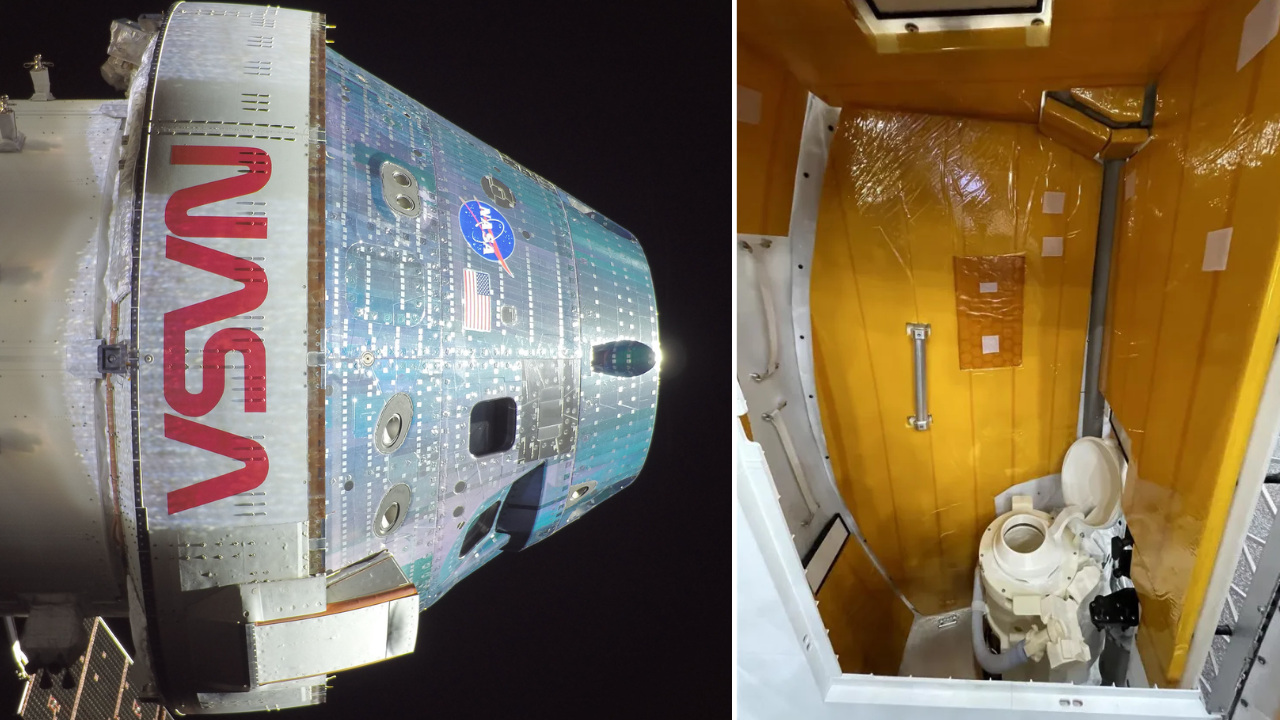
NASA’s Artemis II crew addressed a high-profile toilet malfunction during a news conference held April 16 at Johnson Space Center after the 10-day mission that launched April 1, looped around the Moon on April 6 and splashed down April 10. Commander Reid Wiseman said the Universal Waste Management System’s toilet “flushed just fine” but a primary vent line carrying urine to the capsule hull became clogged, forcing the crew of four — Wiseman, Victor Glover, Christina Koch and Canadian Jeremy Hansen — to use urine collection bags when the tank approached its limited capacity (Wiseman estimated under 10 urination events). Engineers initially suspected ice blockage; attention has shifted to a possible chemical reaction involving wastewater additives. The venting that did occur produced visible flecks of ice expelled into space. Crewmembers also reported brief smoke-alarm events that were cleared in-flight. Separately, Wiseman highlighted post-flight inspections of Orion’s heat shield, reporting only minor char loss and praising the vehicle’s performance on re-entry. NASA teams are conducting detailed examinations of the capsule and waste system to determine root causes.

Artemis II returns: crew praises heat shield performance

🏷️ Science & Space🌍 United States🔥 Trending🔗 33 sources2Digest ScoreiThis score reflects the story's reliability, bias neutrality, and public momentum.
Artemis II returns: crew praises heat shield performance

📰 Full Story

NASA’s Artemis II crew safely returned to Earth after a nine‑day lunar flyby and Pacific Ocean splashdown on April 10, 2026, completing the first crewed flight of the Space Launch System (SLS) and Orion capsule. Commander Reid Wiseman, pilot Victor Glover, mission specialist Christina Koch and Canadian astronaut Jeremy Hansen inspected Orion “Integrity” and reported only minor char loss on the heat shield’s shoulder after reentry at about 39 times the speed of sound. The crew’s free‑return trajectory carried them a record 252,756 miles from Earth during a far‑side lunar pass on April 6 and included a deep‑space solar eclipse. Preliminary visual checks were positive, but NASA has said detailed forensic analysis of the heat shield is underway. Artemis II validated Orion life‑support, navigation and crew operations with four humans aboard and delivered science and medical data during post‑flight testing at the Johnson Space Center. NASA says lessons from Artemis II support plans for Artemis III (mid‑2027 docking practice) and a crewed lunar landing mission (Artemis IV targeted 2028), while future Orion heat‑shield designs are already planned.

Hidden cavern beneath Pembroke Castle yields hippo bones

🏷️ Science & Space🌍 United Kingdom🔥 Trending🔗 4 sources2Digest ScoreiThis score reflects the story's reliability, bias neutrality, and public momentum.
Hidden cavern beneath Pembroke Castle yields hippo bones

📰 Full Story

Archaeologists have uncovered a large, well-preserved cave — Wogan Cavern — beneath Pembroke Castle in southwest Wales and recovered fossil remains, including hippopotamus bones dating to the last interglacial period roughly 120,000 years ago. Preliminary digs between 2021 and 2024 also recovered mammoth, woolly rhinoceros, reindeer and wild horse remains, stone tools and evidence of human use across multiple periods. The University of Aberdeen has secured funding for a five-year excavation led by Dr Rob Dinnis, with larger-scale work due to resume in May. Teams report intact stratified deposits sealed by medieval construction that preserve a rare chronological sequence: Mesolithic hunter-gatherer layers (~11,500 years ago), deposits linked to some of Britain’s earliest Homo sapiens (45,000–35,000 years ago), and deeper Palaeolithic horizons that may indicate earlier Neanderthal presence. Laboratory tests have detected surviving ancient DNA in both bones and sediments, opening the possibility of eDNA analyses to identify faunal and hominin signatures. Researchers say Wogan Cavern could become one of Britain’s most important prehistoric archives for studying past climates, ecosystems and human occupation.

Study: Natural selection increased red hair in West Eurasia

🏷️ Science & Space🌍 United States🔥 Trending🔗 5 sources1Digest ScoreiThis score reflects the story's reliability, bias neutrality, and public momentum.
Study: Natural selection increased red hair in West Eurasia

📰 Full Story

A team led by Harvard geneticists has found that natural selection altered hundreds of human genes in West Eurasia over the past 10,000–18,000 years, increasing the frequency of traits such as light skin and red hair while reducing others including male-pattern baldness. Published in Nature on April 15, 2026, the study analysed roughly 15,800 ancient genomes and about 6,400 modern genomes using a new statistical framework (AGES) to detect directional selection through time. Researchers identified 479 gene variants showing evidence of selection; many map to known traits and disease risks or resistances, including variants associated with coeliac disease, immunity to HIV and leprosy, and reduced rheumatoid arthritis susceptibility. Some variants rose and later fell in frequency — for example, tuberculosis-related alleles increased until ~3,500 years ago then declined — and the authors report an overall acceleration of directional selection after the transition to farming. The team has made data and methods publicly available and plans to extend analyses beyond West Eurasia.

🤝 Social Media Insights

Social Summary
1 / 5
Key takeaways: commentators emphasize that mate choice and negative frequency‑dependent selection could explain rising red‑hair alleles, while MC1R’s known effects on pain/anesthesia show pigmentation genes can have broader physiological impacts; agricultural shifts likely triggered many of the reported selection pulses.

Study finds Atlantic current collapse risk much higher

🏷️ Science & Space🔥 Trending🔗 5 sources1Digest ScoreiThis score reflects the story's reliability, bias neutrality, and public momentum.
Study finds Atlantic current collapse risk much higher

📰 Full Story

New research published in mid‑April 2026 warns that the Atlantic Meridional Overturning Circulation (AMOC) is far more likely to weaken catastrophically than previously thought. A Science Advances study led by Valentin Portmann used observational constraints and statistical methods (including ridge regression) to narrow model spread and found a projected AMOC slowdown of roughly 42–58% by 2100, a level the authors say makes collapse much more likely and raises the prospect of an irreversible tipping point as soon as mid‑century. A separate paper in Communications Earth & Environment from Potsdam Institute researchers simulated the climate response to an AMOC shutdown and found the Southern Ocean could flip from a carbon sink to a source, adding about 0.17–0.27°C to global warming. Scientists including Stefan Rahmstorf say the most pessimistic models now align best with observations. Expected impacts of a major AMOC weakening include dramatic regional cooling in northern Europe, shifts in tropical rainfall belts, elevated Atlantic sea levels (estimates of 50–100cm locally), stronger storms and risks to food and coastal security. Authors note key uncertainties remain (natural variability and incomplete representation of Greenland meltwater), but conclude the risk has increased substantially.

NASA selects Voyager for seventh private ISS mission

🏷️ Science & Space🌍 United States🔗 3 sources1Digest ScoreiThis score reflects the story's reliability, bias neutrality, and public momentum.
NASA selects Voyager for seventh private ISS mission

📰 Full Story

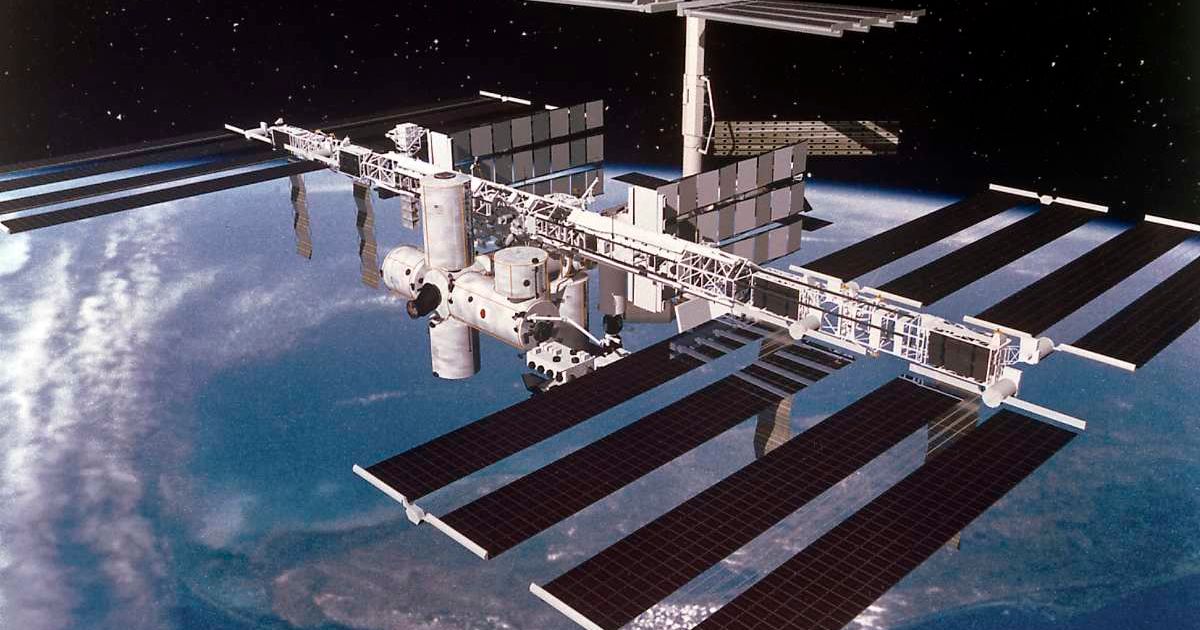
On April 15, 2026 NASA announced it has selected Voyager Technologies to conduct the seventh private astronaut mission (PAM) to the International Space Station, a contract targeted to launch no earlier than 2028 from Florida. The mission, named VOYG-1, would carry up to four privately sponsored crew for as many as 14 days aboard the orbital laboratory; Voyager will submit proposed crew members to NASA and international partners for review and train with the agency and the launch provider. The Denver-based company will purchase mission services from NASA—including crew consumables, cargo delivery, storage and access to cold-chain sample return capacity—while NASA secures the ability to return scientific samples. Voyager is the third private provider chosen for PAMs after Axiom and Vast, selected from responses to a March 2025 research announcement. NASA Administrator Jared Isaacman said the award advances a commercial low-Earth orbit economy and supports technology development for future deep-space efforts. A specific launch date will depend on station traffic and planning considerations as NASA transitions toward multiple commercially operated space stations.

Study: Food videos help dieters resist snacks

🏷️ Science & Space🌍 United Kingdom🔗 3 sources1Digest ScoreiThis score reflects the story's reliability, bias neutrality, and public momentum.
Study: Food videos help dieters resist snacks

📰 Full Story

A University of Bristol-led study, in collaboration with the University at Buffalo, found that viewing indulgent food videos can help people trying to manage their weight resist real-world snacking. Published in Computers in Human Behavior, the research combined two online surveys and a controlled lab experiment involving 840 participants aged 19–77. Across three experiments, self-identified dieters spent significantly more time watching high-calorie food clips (chocolate, pizza, burgers) than non-dieters, yet consumed less real chocolate when later offered treats. Authors describe this as “digital foraging” and attribute the effect to “cross-modal satiation,” where visual exposure partially satisfies cravings. The paper cautions the effect is not a complete substitute for eating and that effectiveness may vary by individual, context and content type. The study cites the scale of dieting behaviour and a global weight-loss market worth hundreds of billions of dollars, and calls for further research into duration of effects and platform differences. (Esther Kang et al., Computers in Human Behavior, 2026; DOI: 10.1016/j.chb.2026.108980)

NASA's SPHEREx Maps Vast Interstellar Ice Reservoirs

🏷️ Science & Space🔗 3 sources1Digest ScoreiThis score reflects the story's reliability, bias neutrality, and public momentum.
NASA's SPHEREx Maps Vast Interstellar Ice Reservoirs

📰 Full Story

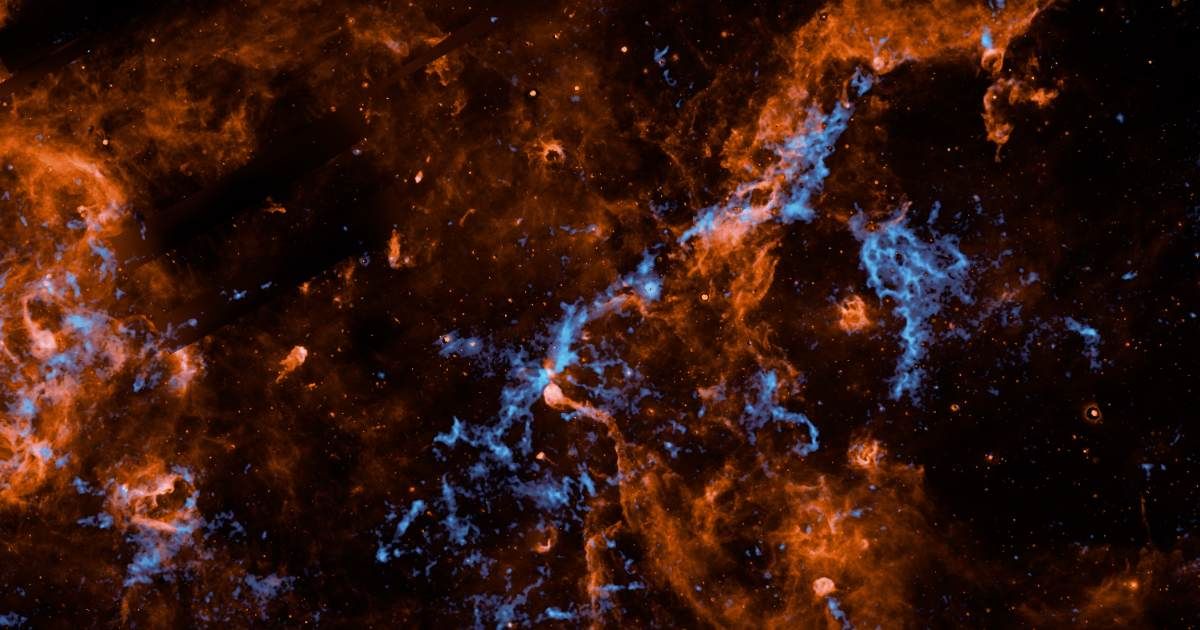
NASA’s SPHEREx mission has produced the largest near-infrared maps to date of interstellar ices, revealing extensive water, carbon dioxide and carbon monoxide ices embedded on microscopic dust grains across regions of the Milky Way more than 600 light-years across. A study published April 15, 2026 in The Astrophysical Journal presents SPHEREx observations of Cygnus X and the North American Nebula that show the densest ice concentrations coincide with the dustiest, filamentary lanes that shield ices from ultraviolet radiation emitted by newborn stars. SPHEREx, launched March 11, 2025 and operating in 102 infrared bands, completed its first all-sky spectral map by late 2025. Unlike targeted telescopes, SPHEREx’s wide spectral survey identifies icy molecules and polycyclic aromatic hydrocarbons across broad swaths of the galactic plane, supporting the idea that interstellar “glaciers” on dust grains are major reservoirs of the water that can be delivered to nascent planetary systems. The mission is managed by JPL with science analysis across U.S., South Korean and Taiwanese institutions; processed data are archived at IPAC and are publicly available.

New Precise Measurement Deepens Hubble Tension

🏷️ Science & Space🔗 4 sources1Digest ScoreiThis score reflects the story's reliability, bias neutrality, and public momentum.
New Precise Measurement Deepens Hubble Tension

📰 Full Story

An international collaboration has produced the most precise local measurement yet of the universe’s expansion rate, strengthening a longstanding mismatch with early-universe estimates. Published April 10 in Astronomy & Astrophysics, the H0DN Collaboration’s Local Distance Network combined more than a dozen independent distance indicators — including parallax anchors, Cepheid and TRGB stars, Miras, megamasers, Type Ia and II supernovae, surface-brightness fluctuations, the Tully–Fisher relation and the Fundamental Plane — to derive a local Hubble constant of about 73.5 km/s/Mpc with roughly one-percent precision. Rigorous ‘leave-one-out’ and covariance tests showed the result is robust to removal of individual methods or datasets. That local value now sits at least seven standard deviations above the ~67.4 km/s/Mpc rate inferred from the cosmic microwave background under the standard Lambda-CDM model, reinforcing the so-called Hubble tension. The collaboration has released its code and datasets to enable independent checks.

Over half of UK butterfly species in decline

🏷️ Science & Space🌍 United Kingdom🔗 3 sources1Digest ScoreiThis score reflects the story's reliability, bias neutrality, and public momentum.
Over half of UK butterfly species in decline

📰 Full Story

Data from the UK Butterfly Monitoring Scheme (UKBMS) — the world’s largest long‑running insect survey — shows a worrying loss of butterfly diversity across Britain over the past 50 years. The scheme, which has gathered more than 44 million records from hundreds of thousands of volunteer surveys since 1976 at over 7,600 sites, reports that of the 59 native species monitored 33 have declined, 25 have increased and one lacks sufficient data. Some generalist species have expanded or benefited from warmer winters and longer seasons (the red admiral has risen by over 300%, the purple emperor and comma have also surged), while many habitat specialists have plunged (white‑letter hairstreak c.‑80% down, pearl‑bordered fritillary c.‑70% down, small tortoiseshell c.‑87% down). Conservation interventions have delivered notable recoveries — the large blue has rebounded dramatically since reintroduction — but experts say accelerating land‑use change, loss of specialised habitats, pollution and climate‑driven plant community shifts mean urgent habitat restoration and scaled‑up management are needed to halt further losses.

White House Orders Nuclear Reactors to Moon, Orbit

🏷️ Science & Space🌍 United States🔗 6 sources1Digest ScoreiThis score reflects the story's reliability, bias neutrality, and public momentum.
White House Orders Nuclear Reactors to Moon, Orbit

📰 Full Story

The White House on April 14–15, 2026 directed NASA, the Department of Defense and the Department of Energy to accelerate development of space nuclear reactors, aiming for orbital demonstrations by 2028 and lunar surface power by 2030, with a Pentagon demonstration mission by 2031. A newly published OSTP memo (the National Initiative for American Space Nuclear Power) calls for parallel NASA and DoD design competitions for low- to mid-power reactors (minimum 20 kWe for at least three years in orbit and five years on the lunar surface), designs scalable to about 100 kWe, and consideration of low‑power (≈1 kWe) variants. The DOE must assess industrial capacity to produce up to four reactors within five years and ensure fuel, infrastructure and safety requirements. Agencies have tight timelines to submit roadmaps and use-case analyses, and the plan envisions public–private partnerships and use of commercial launch providers. Officials framed the initiative as essential for sustained lunar bases, nuclear electric propulsion and U.S. space superiority, while noting that funding, industrial readiness and safety will shape feasibility.

DESI completes largest 3D map of universe

🏷️ Science & Space🌍 United States🔥 Trending🔗 6 sources0Digest ScoreiThis score reflects the story's reliability, bias neutrality, and public momentum.
DESI completes largest 3D map of universe

📰 Full Story

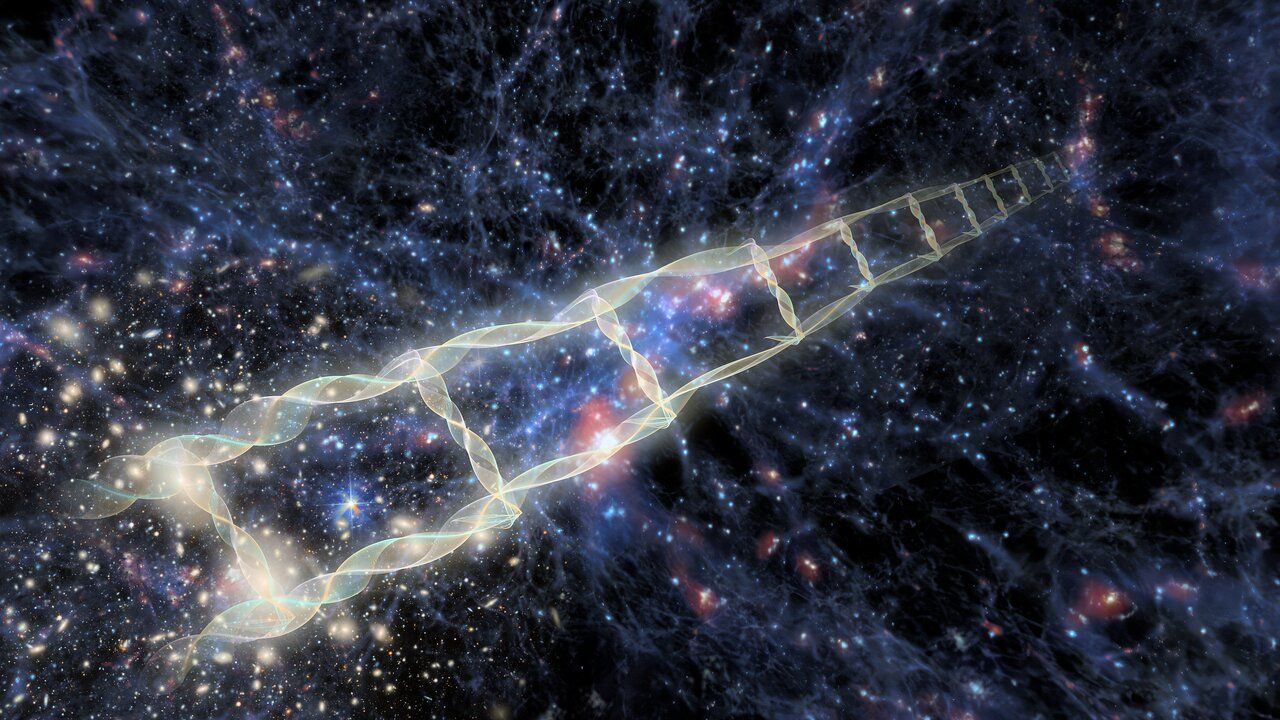
The Dark Energy Spectroscopic Instrument (DESI) has finished its originally planned five-year survey, producing the most detailed three-dimensional map of the universe to date. Completed ahead of schedule on April 14–16, 2026 at Kitt Peak National Observatory in Arizona, DESI has recorded spectra for more than 47 million galaxies and quasars and over 20 million stars using 5,000 fiber-optic positioners on the Nicholas U. Mayall 4‑meter telescope. Managed by Lawrence Berkeley National Laboratory, the international collaboration of roughly 900 researchers exceeded initial targets of 34 million objects and will continue observations and possible upgrades into the late 2020s. The dataset—covering tens of thousands of square degrees and spanning billions of years of cosmic history—provides precise redshifts essential for baryon acoustic oscillation and other probes of cosmic expansion. Early DESI results from year-one data hinted that dark energy may be evolving rather than constant; the full five-year survey will allow that signal to be tested. Processing and validation of the full dataset are underway, with first papers based on the complete survey expected in 2027 and further public releases to follow.

Lyrid Meteor Shower Peaks April 21–22

🏷️ Science & Space🔥 Trending🔗 5 sources0Digest ScoreiThis score reflects the story's reliability, bias neutrality, and public momentum.
Lyrid Meteor Shower Peaks April 21–22

📰 Full Story

The annual Lyrid meteor shower is active in mid-April and will reach its 2026 peak on the night of April 21 into the early hours of April 22, when observers in the Northern Hemisphere may see between about 10 and 18 meteors per hour under dark skies. The shower, generated by debris from long‑period Comet C/1861 G1 (Thatcher), is known for fast, bright meteors and occasional fireballs; historical surges have produced far higher rates but are rare. Viewing is best after midnight and into predawn when the constellation Lyra and bright star Vega are high; the waxing moon this year is expected to be only partially illuminated, reducing light pollution for much of the peak. The Lyrids are visible from mid‑April (commonly reported as roughly April 16–25) and can be seen without optical aid — lie back, allow 20–30 minutes for eyes to adapt to the dark, and look away from the shower’s radiant for longer trails. The event offers opportunities for photography and for amateur observations that can support professional meteoroid monitoring.