
📰 Full Story
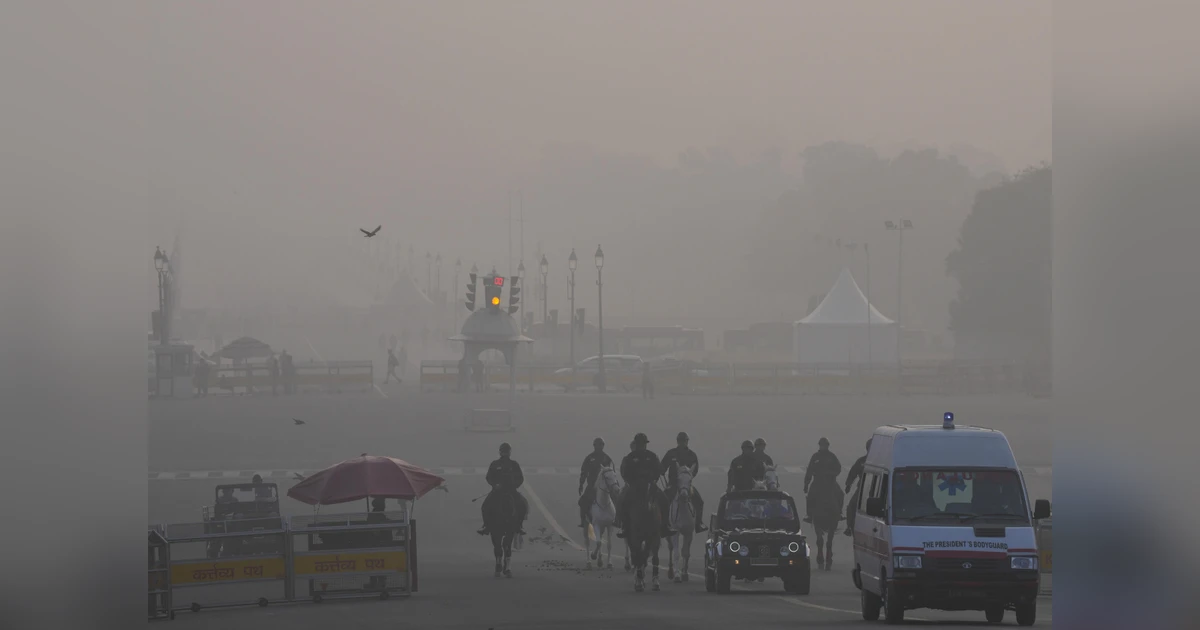
Between Feb. 8 and Feb. 9, 2026, major Indian cities reported persistent haze and a shift toward poorer air quality.
Mumbai’s overall Air Quality Index (AQI) held in the ‘moderate’ band—122 on Feb. 8 and 114 on Feb. 9—while neighbourhood readings ranged from ‘good’ in Borivali East (60) to over 140 in Colaba and parts of Malad and Bandra.
Hazy morning conditions and daytime highs near the low-to-mid 30s Celsius were reported.
In the national capital, Delhi’s AQI deteriorated from about 196 (moderate) on Feb. 8 to the ‘poor’ range (around 206–209) on Feb. 9, with hotspots such as Anand Vihar reaching as high as 289 and multiple stations recording readings in the 240–290 band.
Calm winds, high humidity and shallow fog were cited by the India Meteorological Department and the CPCB as contributing factors.
Authorities warned that the Air Quality Early Warning System expects conditions to remain in the moderate-to-poor or poor range in the coming days.
Delhi has also deployed mitigation measures at public transport hubs, including 131 mist-spray systems and 12 anti-smog guns across elevated metro stations.
🔗 Based On
🕰️ The Story So Far: An Evolving Timeline
Monday, February 9, 2026 08:15 UTC
Mumbai, Delhi See Worsening Air Quality
Friday, February 6, 2026 08:01 UTC
Delhi, Mumbai battle persistent winter smog




💬 Commentary