
📰 Full Story
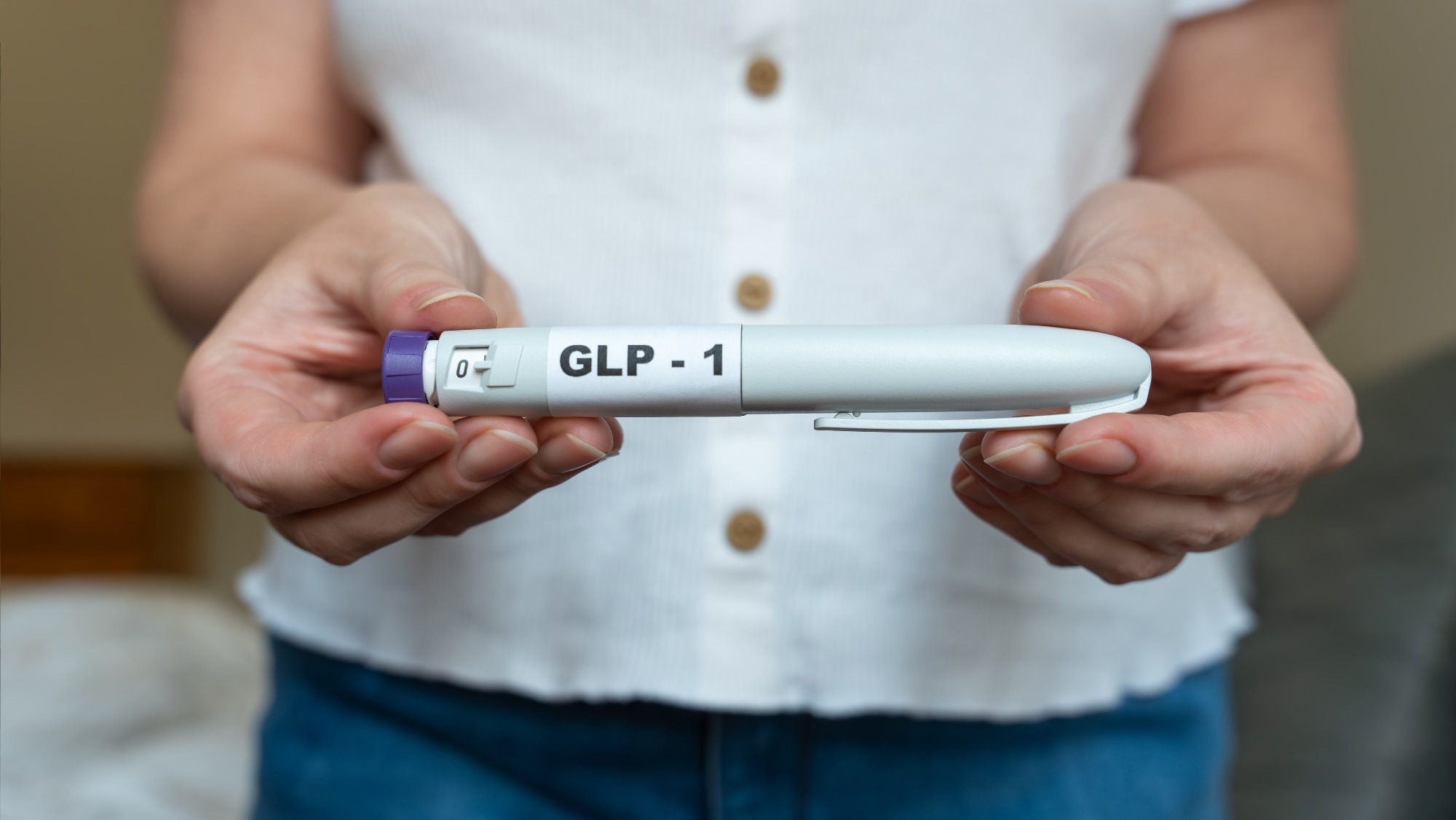
A wave of new data and product launches this month highlights how GLP-1 and related metabolic therapies are transforming healthcare, consumer behaviour and markets.
Eli Lilly reported Phase 3 diabetes results for retatrutide — a triple-agonist — showing mean HbA1c drops of about 1.9 percentage points at higher doses and weight losses up to ~15% at 40 weeks.
Structure Therapeutics’ oral GLP-1 candidate aleniglipron produced up to 15% mean weight loss in a Phase 2 obesity trial, underscoring the growing oral-GLP-1 pipeline alongside Novo Nordisk and Lilly oral programs.
Large registry studies (Sweden, Lancet Psychiatry) linked semaglutide use to sharply lower rates of psychiatric hospital care, depression, anxiety and substance-use outcomes; liraglutide showed smaller but similar associations.
Mechanistic and cohort studies indicate GLP-1 therapies preferentially reduce fat while preserving muscle, but observational data identify potential perinatal risks: a Danish study associated periconceptional GLP-1 exposure in women with pre-existing diabetes with higher preterm birth risk.
Real-world analyses show many patients who stop GLP-1s later restart or switch; researchers are exploring the gut microbiome as a determinant of individual response.
Regulators, clinicians and industry face competing priorities on safety, access, and market competition as oral and injectable options proliferate.
🔗 Based On
Biotech and Pharma Industry News | BioPharma DiveLilly’s three-pronged obesity drug hits goal in large diabetes trial
Medical News | Medical ArticlesYoung women face rising mortality rates from high blood pressure




💬 Commentary