NewsDigestFollow

Manatee Appreciation Day: Gentle giants and recovery

🏷️ Wildlife🌍 Mexico🔗 2 sources19Digest ScoreiThis score reflects the story's reliability, bias neutrality, and public momentum.
Manatee Appreciation Day: Gentle giants and recovery

đź“° Full Story

Published 24 March 2026, this commentary marks Manatee Appreciation Day (observed on the last Wednesday of March) and highlights the ecological role and fragile recovery of manatees around the world, with a focused human-interest account from Chetumal, Mexico. The piece recounts how Dr. Benjamín Morales rescued a newborn calf in 2003, named him Daniel, rehabilitated him and released him back to the wild in 2016, though Daniel periodically returns to the lagoon. It outlines the ways manatees sustain coastal and riverine ecosystems—grazing underwater vegetation to support water quality, navigation and fisheries—and notes current threats including boat strikes, habitat loss, pollution and climate change. The article credits decades of local scientific work, community engagement, conservation groups and corporate partners for gradual population rebounds in places like Chetumal Bay, where roughly 150 manatees now live. While offering hope, the commentary stresses continued vigilance and local stewardship are essential to ensure these slow-moving marine mammals survive the coming century.

War in Iran Threatens Asiatic Cheetah Survival

🏷️ Wildlife🌍 Iran🔗 4 sources31Digest ScoreiThis score reflects the story's reliability, bias neutrality, and public momentum.
War in Iran Threatens Asiatic Cheetah Survival

đź“° Full Story

The Asiatic cheetah (Acinonyx jubatus venaticus), the world’s most endangered big cat, faces sharply heightened extinction risk as the 2026 U.S.-Israeli campaign and related disruptions in Iran curtail conservation operations. Fewer than 30 individuals are estimated to remain in the wild, concentrated in northeastern provinces including North and South Khorasan; recent surveys counted about 27 animals, including a recorded female (Helia) with five cubs filmed before the conflict. Conservationists report field access and camera‑trap monitoring have “slowed down considerably,” while sanctions and import restrictions limit access to tracking and communications equipment. Reduced patrolling raises the risks of poaching, road collisions (which account for over half of recorded cheetah deaths) and habitat disturbance, and conservation vehicles could be misidentified as military targets in remote areas. The politicisation of scientific work — highlighted by past arrests of Iranian conservationists and their subsequent releases — and an expected reallocation of government funds to post‑war reconstruction could further drain resources for cheetah recovery programmes.

US tourist arrested for throwing rock at endangered seal

🏷️ Wildlife🌍 United States🔥 Trending🔗 12 sources0Digest ScoreiThis score reflects the story's reliability, bias neutrality, and public momentum.
US tourist arrested for throwing rock at endangered seal

đź“° Full Story

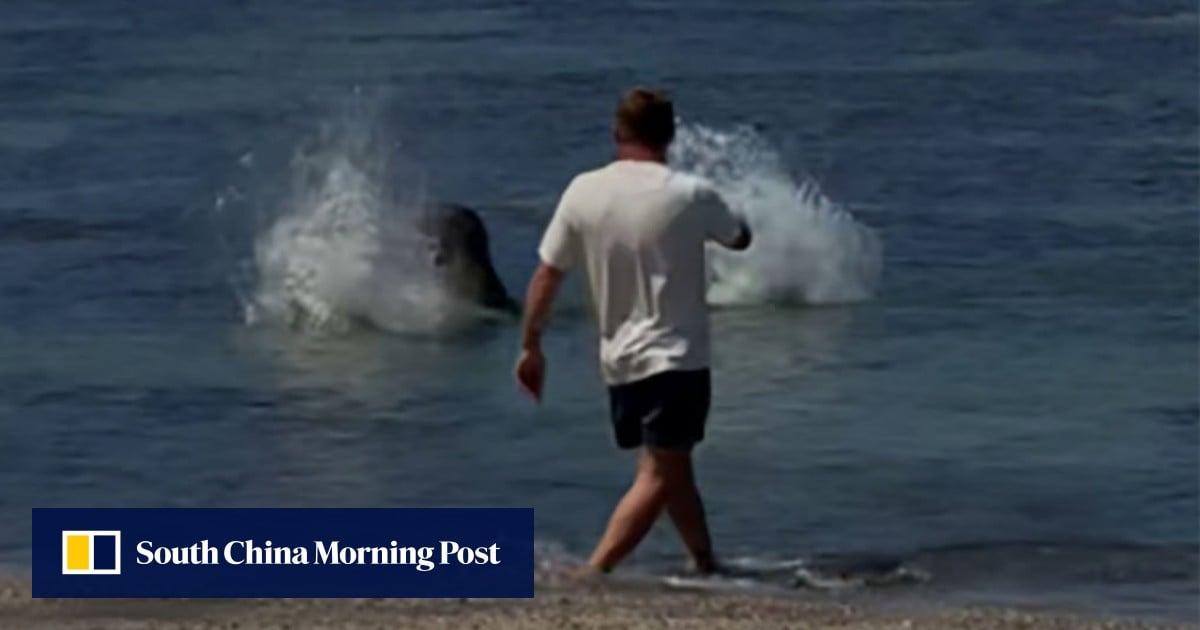
Federal agents arrested a Washington state tourist after video emerged of him hurling a coconut-sized rock at a critically endangered Hawaiian monk seal known locally as “Lani.” Prosecutors identified the suspect as Igor Mykhaylovych Lytvynchuk, 38, of Covington, Washington. The incident occurred on May 5, 2026, along the shoreline in the Lahaina area of Maui; a criminal complaint was filed on May 12 and NOAA special agents arrested Lytvynchuk near Seattle on May 13. Prosecutors say the rock narrowly missed the seal’s head and startled the animal, prompting bystanders to confront the man, who allegedly dismissed their concerns by saying he was “rich enough to pay any fines.” Lytvynchuk is charged with harassing and attempting to harass a protected animal under the Endangered Species Act and the Marine Mammal Protection Act. If convicted he faces up to one year in prison per count and fines of up to $50,000 under the ESA and $20,000 under the MMPA. Hawaiian monk seals number roughly 1,600 in the wild; local officials and residents have demanded swift prosecution amid community outrage.

🤝 Social Media Insights

Social Summary
1 / 5
NOAA's jurisdiction over marine mammals clarifies which federal agency handled the case, and public filings appear to have confirmed the suspect's business role, fueling intense public backlash and renewed calls for proportional fines and stronger deterrents for harming protected wildlife.

Remoras Diving into Manta Rays' Cloaca

🏷️ Wildlife🔗 3 sources0Digest ScoreiThis score reflects the story's reliability, bias neutrality, and public momentum.
Remoras Diving into Manta Rays' Cloaca

đź“° Full Story

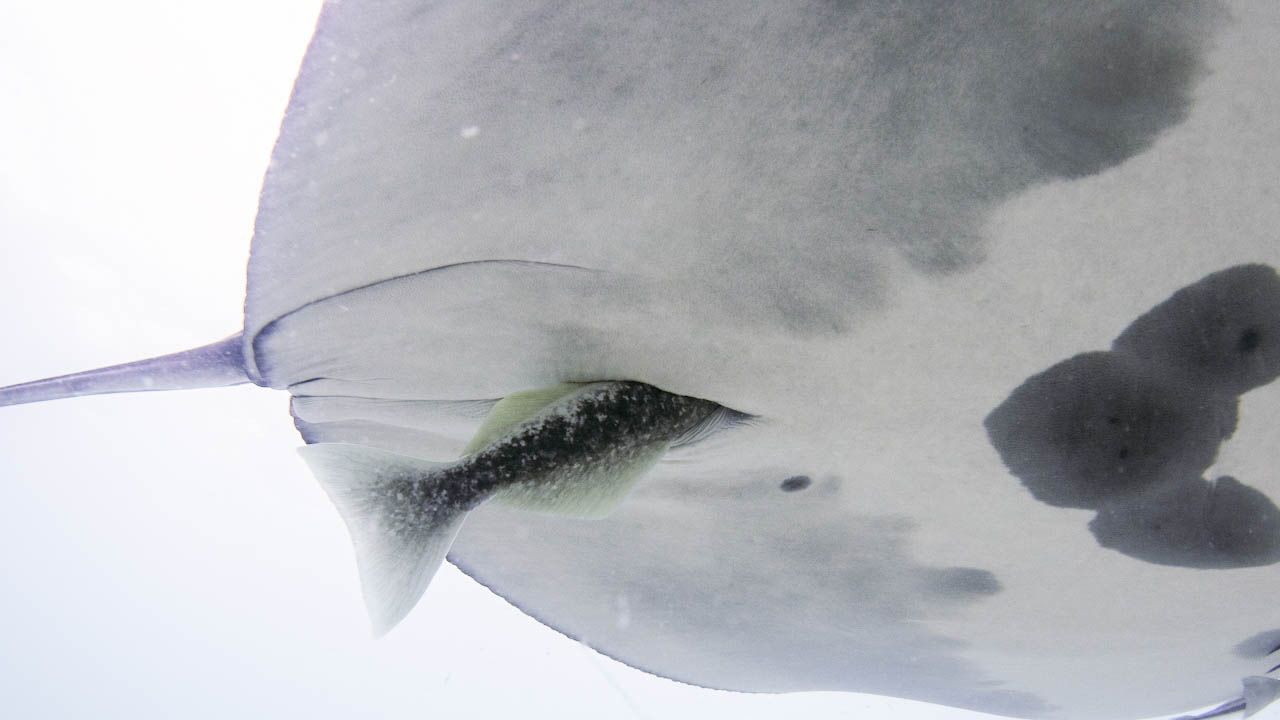
Researchers have documented a little-known behaviour in remoras (suckerfish): diving headfirst into manta rays’ cloacal openings. A study led by Emily Yeager, published in Ecology and Evolution on May 11–12, 2026, compiled seven confirmed instances of “cloacal diving” recorded over the past 15 years across multiple oceans — from the Maldives to Florida — and involving all three manta species (Mobula yarae, M. birostris and M. alfredi) and both juveniles and adults. In one video, a diver’s approach appeared to startle a remora, which then inserted itself into an Atlantic manta’s cloaca; the ray shuddered but continued swimming with the fish inside. Scientists say the behaviour may be a fear response, a territorial scramble for food (including possible coprophagy), or both. Because remoras’ suction discs can damage delicate tissue, cloacal diving could cause physical harm, raise energetic costs for hosts, and even interfere with excretion and reproduction. The authors argue the observation blurs the lines between mutualism, commensalism and parasitism, suggesting symbiotic relationships exist on a spectrum rather than in discrete categories.

🤝 Social Media Insights

Social Summary
1 / 5
The peer‑reviewed observations show remoras performing cloacal—and occasionally gill—intrusions across manta species and regions. The behaviour is likely under‑reported and may cause real injury, so expanded monitoring and footage analysis are needed to assess prevalence and ecological consequences.

Scotland's First Sloth Born at Edinburgh Zoo

🏷️ Wildlife🌍 United Kingdom🔗 3 sources0Digest ScoreiThis score reflects the story's reliability, bias neutrality, and public momentum.
Scotland's First Sloth Born at Edinburgh Zoo

đź“° Full Story

A Linne’s two‑toed sloth was born at the Royal Zoological Society of Scotland’s (RZSS) Edinburgh Zoo on May 11, 2026 — the first sloth birth recorded in Scotland. The male infant, named Atty in honour of Sir David Attenborough who turned 100 on May 8, is the offspring of six‑year‑old first‑time parents Feira (mother) and Nico (father). Keepers say the newborn will cling to his mother’s stomach for about six months, learning which leaves are safe to eat by sampling food from her mouth. Jess Brown, head keeper, described the birth as “ground‑breaking not just for Edinburgh Zoo, but for Scotland.” The zoo released footage showing the baby gripping his mother and said Feira and Atty are currently resting. Members of the public can visit the sloth house from 2pm on May 13, though opening times may vary in the coming weeks. Sloths are native to tropical lowlands and forests in South America, are slow‑moving and spend long periods sleeping.
Explore more on NewsDigest