
📰 Full Story
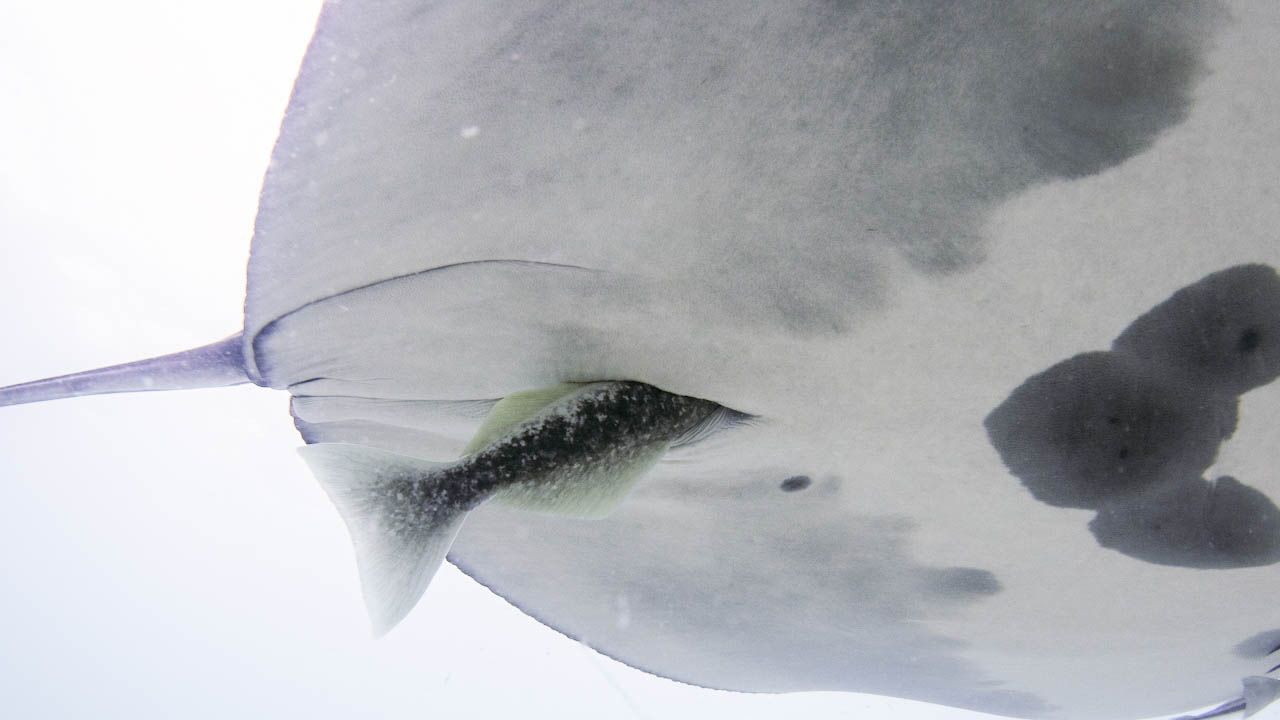
Researchers have documented a little-known behaviour in remoras (suckerfish): diving headfirst into manta rays’ cloacal openings.
A study led by Emily Yeager, published in Ecology and Evolution on May 11–12, 2026, compiled seven confirmed instances of “cloacal diving” recorded over the past 15 years across multiple oceans — from the Maldives to Florida — and involving all three manta species (Mobula yarae, M. birostris and M. alfredi) and both juveniles and adults.
In one video, a diver’s approach appeared to startle a remora, which then inserted itself into an Atlantic manta’s cloaca; the ray shuddered but continued swimming with the fish inside.
Scientists say the behaviour may be a fear response, a territorial scramble for food (including possible coprophagy), or both.
Because remoras’ suction discs can damage delicate tissue, cloacal diving could cause physical harm, raise energetic costs for hosts, and even interfere with excretion and reproduction.
The authors argue the observation blurs the lines between mutualism, commensalism and parasitism, suggesting symbiotic relationships exist on a spectrum rather than in discrete categories.
🔗 Based On
🤝 Social Media Insights
Social Summary
The peer‑reviewed observations show remoras performing cloacal—and occasionally gill—intrusions across manta species and regions. The behaviour is likely under‑reported and may cause real injury, so expanded monitoring and footage analysis are needed to assess prevalence and ecological consequences.



💬 Commentary