
📰 Full Story
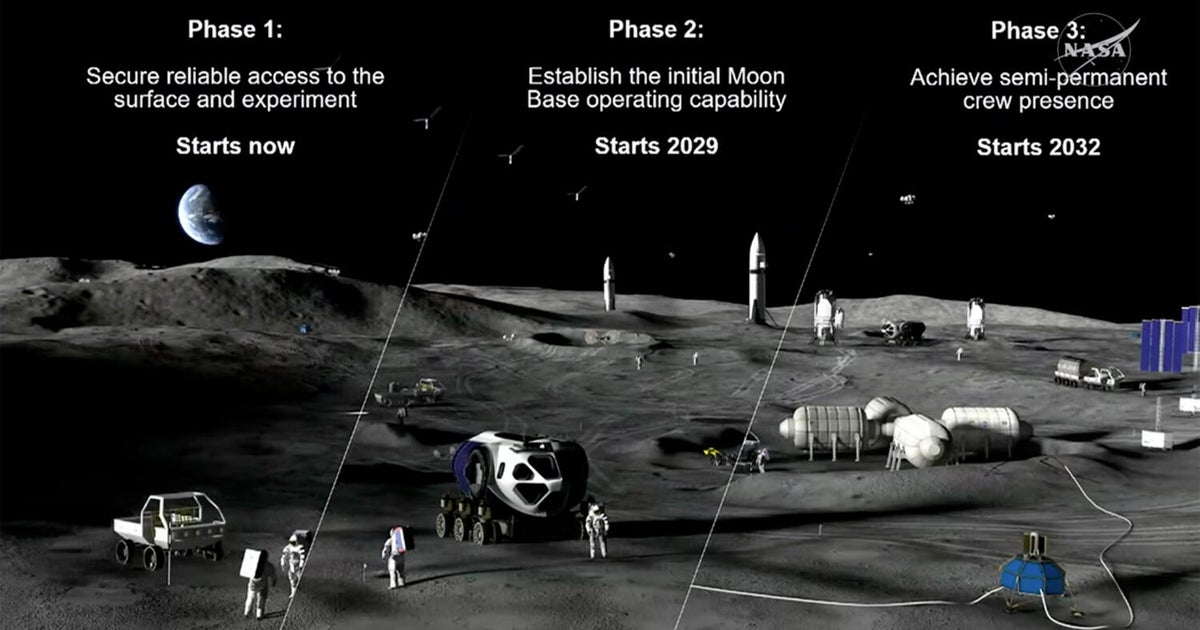
NASA announced a major overhaul of its Artemis program on March 24–25, 2026, pausing construction of the lunar-orbiting Gateway and redirecting effort and funding to a $20 billion, seven-year plan to build a permanent lunar surface base, focused near the south pole.
Administrator Jared Isaacman unveiled the shift at an “Ignition” event in Washington, saying Gateway hardware and partner contributions will be repurposed where feasible.
The agency outlined a three-phase surface architecture — ramping up robotic landers and scouting, then semi-habitable infrastructure and recurring crewed operations, then long-duration habitation — and signalled more frequent landings (eventually twice a year). NASA also revealed Space Reactor‑1 “Freedom,” a nuclear-electric propulsion spacecraft planned for launch by the end of 2028 to carry small reconnaissance helicopters to Mars.
The pause clouds roles for international partners (ESA, JAXA, CSA) and contractors (including Northrop Grumman, Intuitive Machines/Lanteris and Canada’s MDA), and will trigger RFIs/RFPs as NASA repurposes existing hardware and seeks new commercial and international contributors.
🔗 Based On
🤝 Social Media Insights
Social Summary
Comments add useful technical and historical context: NASA can build on prior reactor and NTP work, but community skepticism centers on an aggressive 2028 timetable, funding and international partner fallout, and the significant engineering challenge of scaling and safely launching a flight‑ready space reactor.
🕰️ The Story So Far: An Evolving Timeline
Wednesday, March 25, 2026 01:37 UTC
NASA Pauses Gateway to Build $20 Billion Moon Base
Wednesday, March 11, 2026 05:14 UTC
NASA probe falls back to Earth after 14 years
Friday, February 27, 2026 09:43 UTC
NASA delays Artemis II Moon mission after helium fault




💬 Commentary