
📰 Full Story
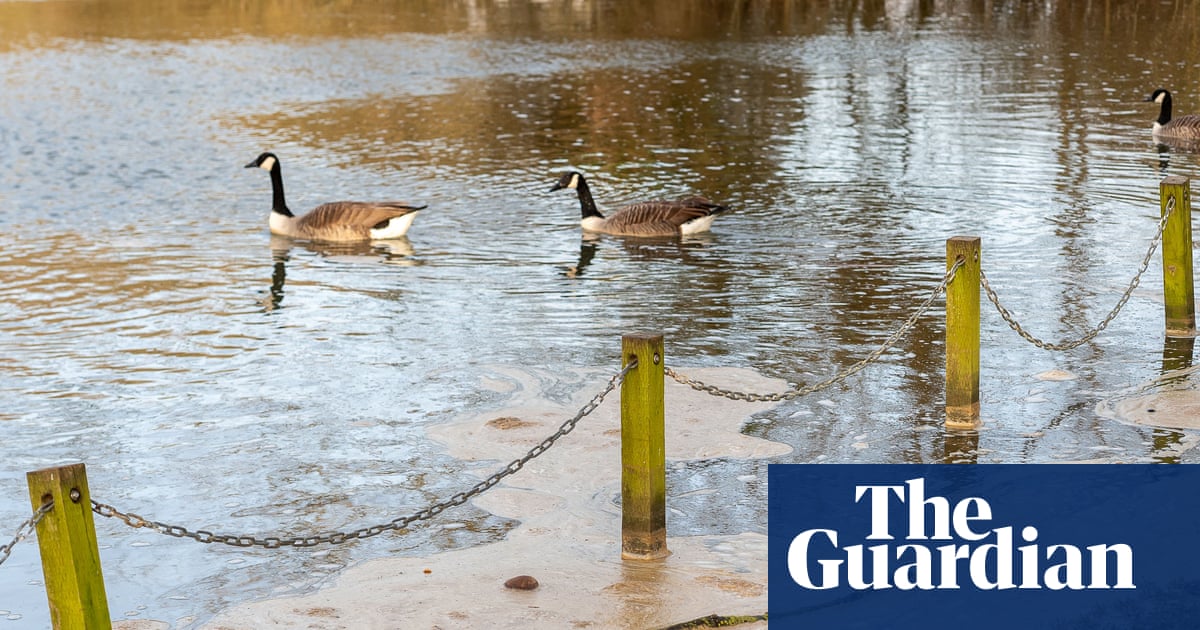
Water companies discharged raw sewage into England’s rivers, lakes and seas for about 1.9 million hours in 2025 across 291,492 recorded storm overflow events, the Environment Agency said in data published in late March 2026.
That represents a 35% fall in spill incidents and roughly a 48% drop in total spill duration from 2024, a decline regulators largely attribute to unusually dry weather last year.
Campaigners and some investigations, however, say tens of thousands of hours of “dry day” spills—when overflows should not operate—remain under investigation.
The government and industry point to a planned £104 billion investment programme over five years to upgrade sewers and treatment works and to recent independent commission recommendations proposing tougher regulation, mandatory monitoring and a single regulator.
New academic research from Imperial College London and Brunel University (using 2023 data) suggests combined sewer overflows (CSOs) release substantial pollution — an estimated 420,000 tonnes of biochemical oxygen demand and 360,000 tonnes of suspended solids nationally — and that nearly half of wastewater systems fall into high or very high environmental risk categories, underscoring persistent threats to ecosystems and public health.
🔗 Based On
Science & Environment | Latest News & Updates | BBC News10:15 GMT 26 MarchHow much sewage is spilled near you?,published at10:15 GMT 26 MarchHow much sewage is spilled near you?
Phys.org - latest science and technology news storiesSewage overflows may pose greater threat to England's rivers than previously thought




💬 Commentary