
NewsDigest

UK pledges 120,000 drones to Ukraine in 2026

šŸ·ļø DefensešŸŒ United KingdomšŸ”„ TrendingšŸ”— 7 sources32Digest ScoreiThis score reflects the story's reliability, bias neutrality, and public momentum.
UK pledges 120,000 drones to Ukraine in 2026

šŸ“° Full Story

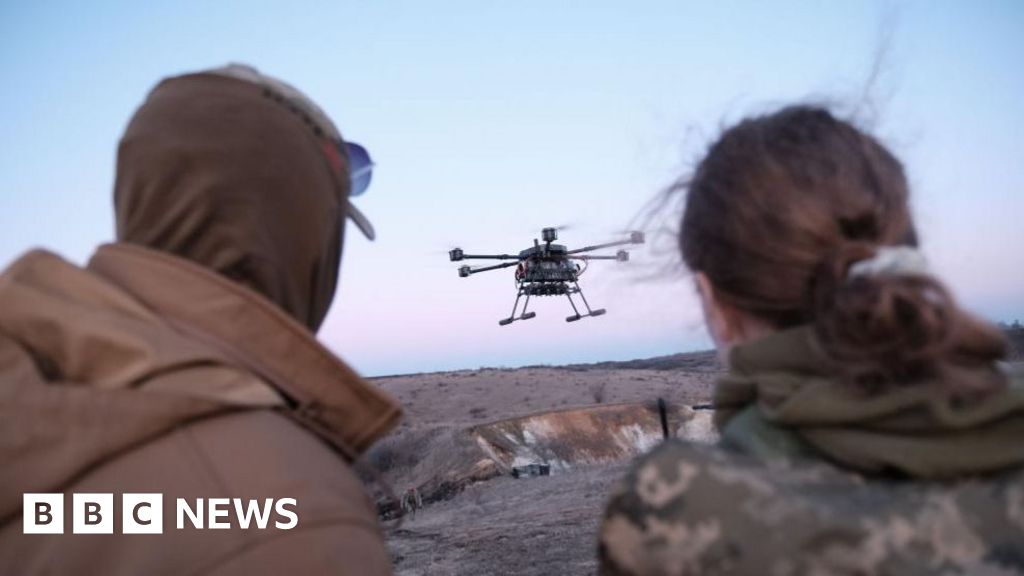
The United Kingdom has pledged to supply Ukraine with at least 120,000 drones by the end of 2026, the largest single drone package announced by the UK Ministry of Defence. Deliveries began in April 2026, the MoD said, and will include long‑range strike (one‑way attack) systems, reconnaissance and intelligence platforms, logistics drones and maritime-capable unmanned systems. The programme is backed by the UK’s broader Ā£3 billion military support for Ukraine in 2026 and will channel substantial contracts to domestic firms named by the MoD, including Tekever, Windracers and Malloy Aeronautics. The announcement was made as Defence Secretary John Healey co‑chaired the 34th Ukraine Defence Contact Group meeting in Berlin. Officials framed the package as a response to the growing centrality of drones in the war — Russia launched thousands of attack drones in recent months — and as part of a wider UK commitment that also includes artillery rounds and air‑defence missiles. Kyiv has already begun receiving shipments, the Ukrainian defence ministry said, while fighting and Russian strikes causing civilian casualties continue across multiple regions.

šŸ¤ Social Media Insights

Social Summary
1 / 5
Key points from the discussion: Iran’s prior supply of Shahed loitering munitions to Russia adds strategic context for the UK’s large drone pledge, and Ukraine’s accumulated counter‑drone expertise increases the utility of the transfer for training and tactics as well as munitions supply.

šŸ•°ļø The Story So Far: An Evolving Timeline

Wednesday, April 15, 2026 10:35 UTC
UK pledges 120,000 drones to Ukraine in 2026
Tuesday, April 14, 2026 05:45 UTC
Ukraine confirms wartime air‑launched rocket tests
Australia, Japan seal Mogami frigate deal

šŸ·ļø DefensešŸŒ AustraliašŸ”„ TrendingšŸ”— 7 sources6Digest ScoreiThis score reflects the story's reliability, bias neutrality, and public momentum.
Australia, Japan seal Mogami frigate deal

šŸ“° Full Story

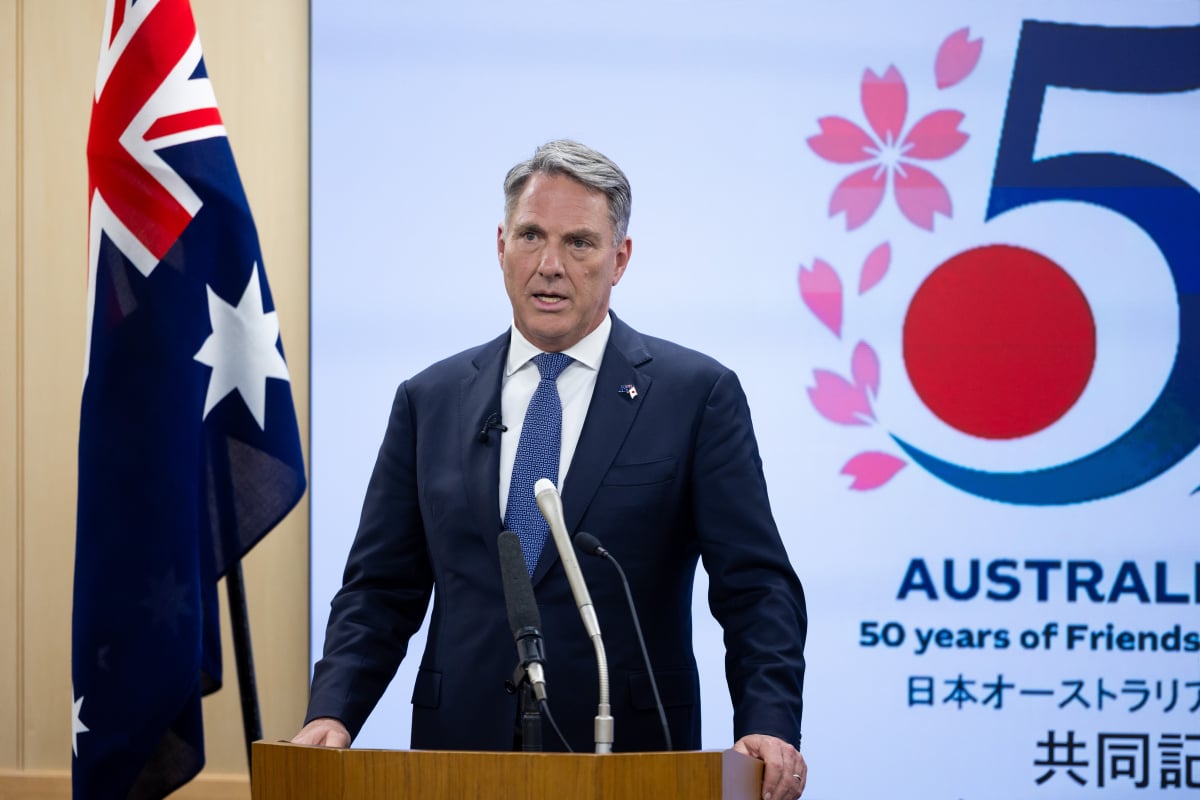
Australia and Japan on April 18, 2026, finalised contracts launching a landmark program to supply the Royal Australian Navy with 11 upgraded Mogami-class general-purpose frigates. Mitsubishi Heavy Industries won the competition and will build the first three ships in Japan, with the remainder scheduled to transition to domestic construction at the Henderson shipyard near Perth. The first vessel is due for delivery in December 2029 and expected to enter service in 2030. The vessels are described as multi-role stealth frigates equipped for anti-submarine warfare, surface strike and air defence (including a 32-cell vertical launch system) and operate with crews of about 90. Canberra has placed the program value in public statements between A$10 billion and A$20 billion over the coming decade, with officials stressing additional spending on shipyard redevelopment and infrastructure. The signing was framed as a deeper strategic and industrial partnership as Japan relaxes export rules; Canberra says the program will underpin Australia’s shipbuilding backbone while bolstering maritime deterrence across the Indo-Pacific.

Starlink outages expose Pentagon drone dependence

šŸ·ļø DefensešŸŒ United StatesšŸ”— 3 sources6Digest ScoreiThis score reflects the story's reliability, bias neutrality, and public momentum.
Starlink outages expose Pentagon drone dependence

šŸ“° Full Story

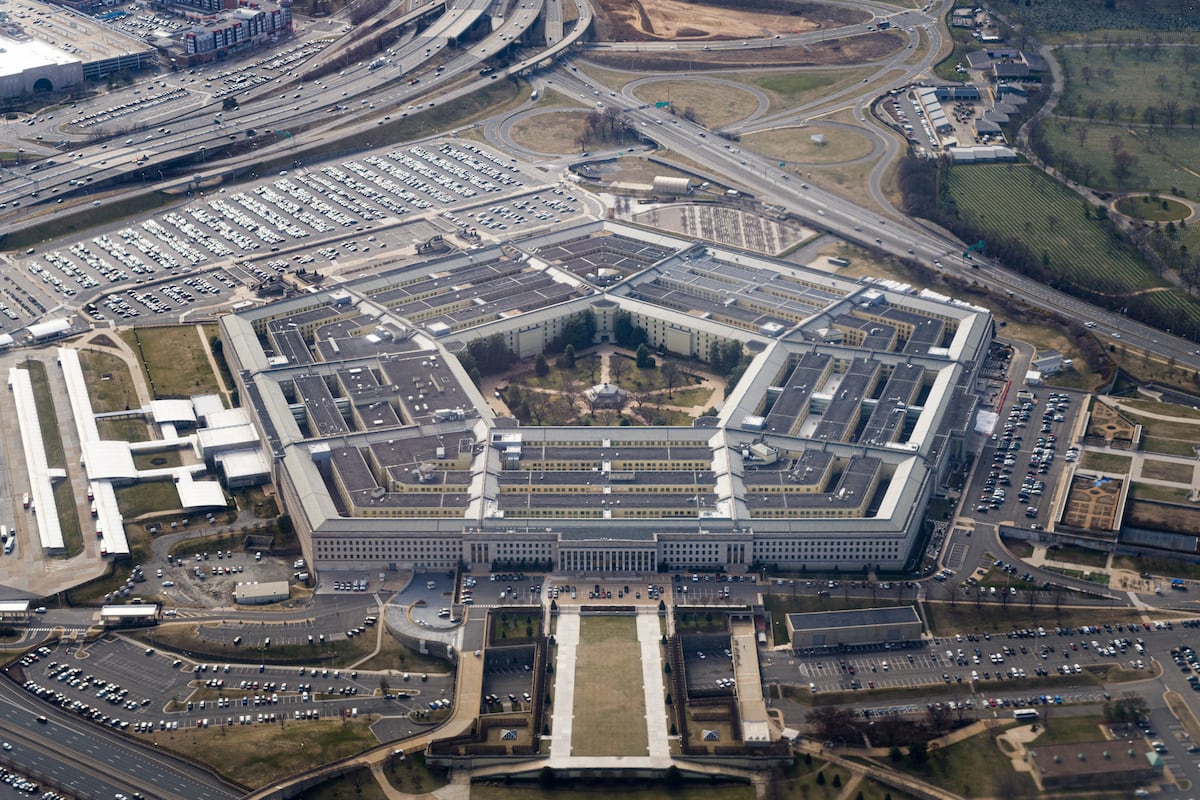
U.S. Navy and Pentagon experiments have repeatedly been disrupted by outages and spotty performance on SpaceX’s Starlink satellite network, internal Navy documents and reporting show. In August 2025 a global Starlink blackout left about two dozen unmanned surface vessels adrift off the California coast for nearly an hour; other tests, including unmanned aerial vehicle exercises, were grounded when data links dropped. The incidents highlight a growing single-point-of-failure risk as the U.S. military relies on Starlink and SpaceX’s classified Starshield service for high-throughput, low-latency links needed to control swarms of drones and other systems. Defense officials have acknowledged resilience and redundancy goals, but public records do not show whether adequate backup communications were in place during the disrupted tests. SpaceX and the Pentagon declined to comment on the specific exercises. The disruptions come as SpaceX prepares for a major public offering and as lawmakers and auditors press for greater oversight of commercial providers used for national security missions.

Australia boosts defence spending, refines 2026 strategy

šŸ·ļø DefensešŸŒ AustraliašŸ”— 5 sources2Digest ScoreiThis score reflects the story's reliability, bias neutrality, and public momentum.
Australia boosts defence spending, refines 2026 strategy

šŸ“° Full Story

Australia on 16 April 2026 released revised National Defence Strategy (NDS) and an Integrated Investment Program (IIP) that pledge a major uplift in military spending and capability priorities. The government committed an additional A$14 billion over the next four years and A$53 billion over the coming decade, with the IIP allocating A$425 billion over ten years to modernise the Australian Defence Force. Canberra aims to raise defence outlays to about 3% of GDP by 2033 (NATO-style accounting) and flagged an even higher target by 2036. The documents reiterate a focus on sea denial and undersea warfare (including AUKUS submarine-related investments), long-range strike, air mobility, integrated air and missile defence (medium-range AD prioritised from 2026), and greater sovereign defence industry capacity. Spending shares cited include 41% maritime, 22% enterprise/enabling, 17% land, 14% air, 5% cyber and 2% space. The NDS again stresses close US ties, deeper cooperation with Japan, India and NATO, and expanded stockpiles and guided-weapons production domestically, while accelerating adoption of uncrewed systems and resilience measures such as fuel security and civil preparedness.

Pentagon Asks GM and Ford to Boost Weapons Production

šŸ·ļø DefensešŸŒ United StatesšŸ”— 7 sources2Digest ScoreiThis score reflects the story's reliability, bias neutrality, and public momentum.
Pentagon Asks GM and Ford to Boost Weapons Production

šŸ“° Full Story

Senior Pentagon officials have held preliminary talks with the chief executives of General Motors and Ford Motor about using automakers’ capacity to produce military components as U.S. stockpiles are strained by conflicts in Iran and long-term support for Ukraine. Conversations, described as early and wide-ranging, focused on whether commercial plants could rapidly shift to make parts, munitions or tactical hardware rather than entire weapons systems. Other manufacturers such as GE Aerospace and Oshkosh have also been approached. Pentagon spokespeople said the department is ā€œcommitted to rapidly expanding the defense industrial baseā€ by leveraging commercial capabilities. The outreach echoes historical wartime conversions of U.S. industry during World War II, but officials have not invoked the Defense Production Act and no contracts have been announced. The moves accompany broader Pentagon steps to accelerate output — including framework agreements with prime contractors and Pentagon requests for additional funding — as officials assess bottlenecks in supply chains, contracting hurdles and the need for faster production of interceptors, missiles and munitions.

U.S. Expands Blockade, Will Target Iran-linked Ships Globally

šŸ·ļø DefensešŸŒ United StatesšŸ”— 10 sources2Digest ScoreiThis score reflects the story's reliability, bias neutrality, and public momentum.
U.S. Expands Blockade, Will Target Iran-linked Ships Globally

šŸ“° Full Story

The U.S. military has widened a naval blockade of Iran’s ports into a global campaign to stop vessels tied to Tehran or suspected of carrying materiel that could aid Iran’s war effort, Pentagon officials said this week. Chairman of the Joint Chiefs Gen. Dan Caine told reporters the blockade applies to any ship entering or leaving Iranian ports and that U.S. forces ā€œwill actively pursue any Iranian-flagged vessel or any vessel attempting to provide material support to Iran,ā€ including operations in the Pacific. The military published an expanded contraband list — from ā€œabsoluteā€ items such as weapons and ammunition to ā€œconditionalā€ goods including oil, iron, steel, aluminum, electronics and heavy machinery — that can be boarded, searched and seized ā€œregardless of location.ā€ Officials said roughly 13 ships have turned back after U.S. warnings; CENTCOM reported no boardings in the blockade zone so far. Defense Secretary Pete Hegseth said less than 10% of U.S. naval power is currently enforcing the blockade and more than 10,000 troops are involved. The move comes as a fragile ceasefire is due to expire in days and mediators press for an extension.
Explore more on NewsDigest