
📰 Full Story
Health officials and pediatric doctors warned on April 15-16, 2026 that rotavirus infections have risen across the United States since January, with wastewater surveillance and hospital reports indicating elevated community transmission, particularly in parts of the West and Midwest.
The highly contagious virus causes vomiting, fever and severe watery diarrhoea that can lead to dehydration; there is no specific antiviral treatment and care is supportive, often requiring intravenous fluids.
WastewaterScan — an academic program run with Stanford and Emory — reported high viral levels in sampled systems.
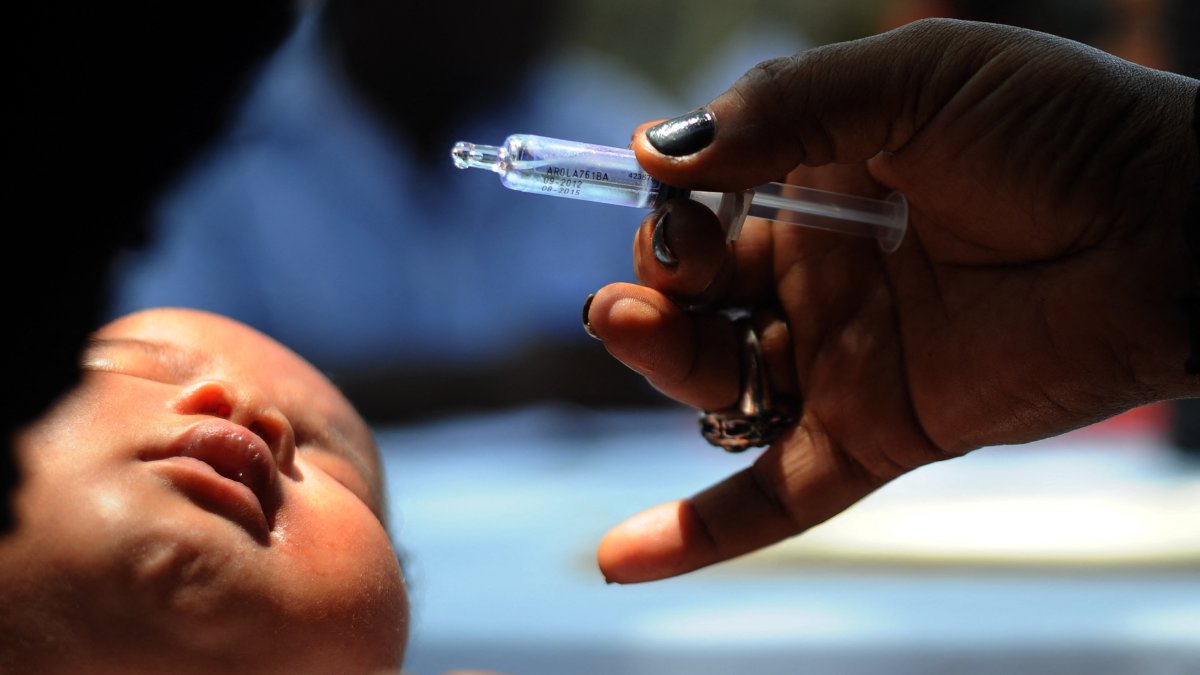
Clinicians in Oklahoma City and other centres described increased admissions of infants and toddlers, many of whom were too young to be fully vaccinated, had not completed the vaccine series, or were unvaccinated.
National vaccination coverage is reported at about 73.8% and has declined over the last eight years, raising concerns that lower uptake could fuel larger future surges.
The Centers for Disease Control and Prevention and infectious disease experts are urging adherence to vaccination schedules, enhanced hygiene and monitoring to limit spread and severe outcomes among young children.
🔗 Based On
🤝 Social Media Insights
Social Summary
Rotavirus is vaccine-preventable with infant-only schedules introduced in the mid-2000s. Rising wastewater signals and adult illness reports likely reflect increased transmission and greater testing; political and deliberate-spread claims lack verification and should be treated as unproven.




💬 Commentary