
NewsDigest

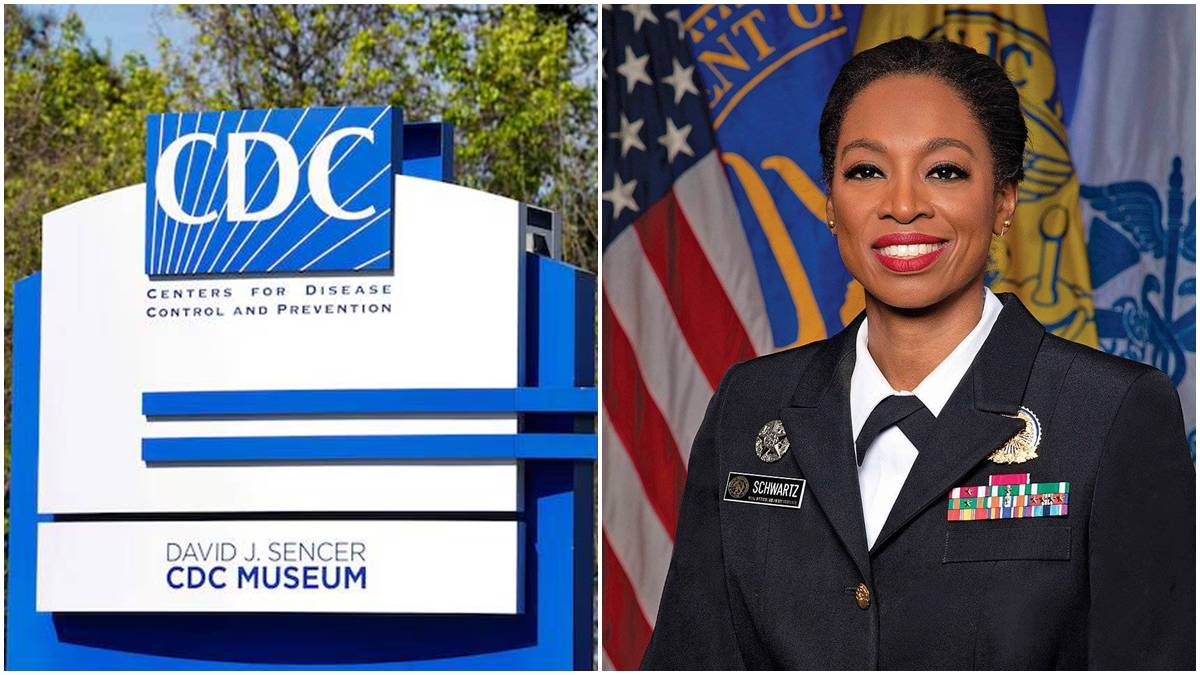
Trump nominates Erica Schwartz as CDC director

🏷️ Medical🌍 United States🔥 Trending🔗 32 sources58Digest ScoreiThis score reflects the story's reliability, bias neutrality, and public momentum.
Trump nominates Erica Schwartz as CDC director

đź“° Full Story

President Donald Trump on April 16 nominated Dr. Erica Schwartz, a former deputy surgeon general and retired Rear Admiral who served as the Coast Guard’s chief medical officer, to be director of the U.S. Centers for Disease Control and Prevention. The nomination, posted on the president’s Truth Social account, names three senior deputies alongside Schwartz: Sean Slovenski as deputy director and chief operating officer, Dr. Jennifer Shuford as deputy director and chief medical officer, and Dr. Sara Brenner as senior counselor for public health to HHS Secretary Robert F. Kennedy Jr. Schwartz, who holds an MD from Brown, an MPH and a law degree, would face Senate confirmation and is expected to inherit an agency beset by leadership turnover, staff departures, budget cuts and controversy over vaccine policy changes driven by the HHS secretary. The CDC has lacked a permanent director for much of Trump’s second term, with NIH director Jay Bhattacharya serving in an acting capacity. Reaction among public-health officials was mixed: some praised Schwartz’s credentials and experience; allies of Kennedy and vaccine-skeptical critics signaled concern.

🕰️ The Story So Far: An Evolving Timeline

Saturday, April 18, 2026 19:12 UTC
Trump Nominates Erica Schwartz as CDC Director
Wednesday, April 15, 2026 18:37 UTC
Trump nominates Erica Schwartz as CDC director
22-year-old given 18 months after vaping

🏷️ Medical🌍 United Kingdom🔗 3 sources16Digest ScoreiThis score reflects the story's reliability, bias neutrality, and public momentum.
22-year-old given 18 months after vaping

đź“° Full Story

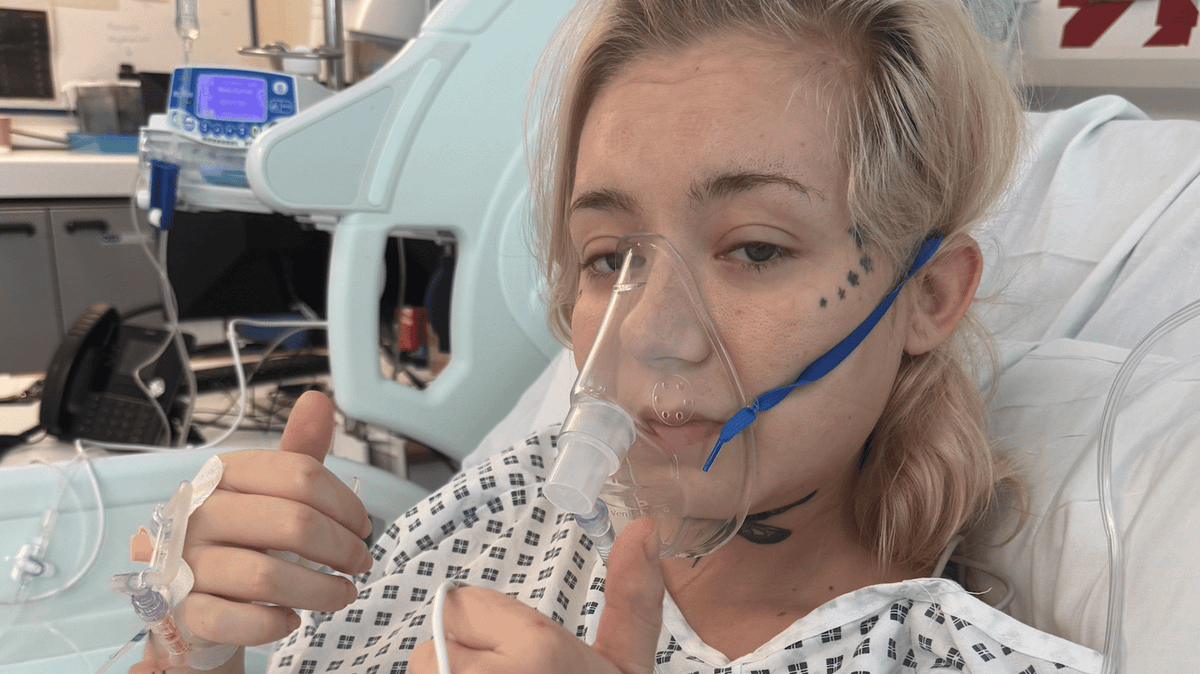
A 22-year-old woman from Manchester has been told she has about 18 months to live after a lung cancer diagnosis she and doctors link to years of vaping. Kayley Boda began using reusable vapes at 15 and switched to disposable devices shortly before symptoms began. In January 2025 she started coughing up dark brown, grainy mucus and was turned away by clinicians eight times who diagnosed chest infections. After coughing blood in March 2025 she had a chest X-ray and, following seven biopsies, was told in August 2025 she had stage one lung cancer. Surgery in September 2025 to remove the lower lobe of her right lung upstaged the disease to stage three when six lymph nodes tested positive. She underwent chemotherapy and was given the all clear in February 2026, but a pleural effusion two months later revealed the cancer had returned in the lung lining. Boda is fundraising for a clinical trial in Germany and has urged others to stop vaping. Doctors say they cannot definitively prove the cause but that smoking and vaping would not have helped her condition.

Trump Nominates Erica Schwartz as CDC Director

🏷️ Medical🌍 United States🔗 8 sources11Digest ScoreiThis score reflects the story's reliability, bias neutrality, and public momentum.
Trump Nominates Erica Schwartz as CDC Director

đź“° Full Story

President Donald Trump on April 16–17 nominated Dr. Erica Schwartz to lead the U.S. Centers for Disease Control and Prevention, naming three senior deputies alongside her: Sean Slovenski as deputy director and COO, Dr. Jennifer Shuford as deputy director and chief medical officer, and Dr. Sara Brenner as senior counselor for public health. Schwartz, a retired rear admiral in the U.S. Public Health Service Commissioned Corps and former deputy surgeon general in Trump’s first term, is a board‑certified preventive medicine physician with medical and public‑health credentials from Brown University and the Uniformed Services University and a law degree from the University of Maryland. The nomination must be approved by the Senate; NIH director Jay Bhattacharya is serving as acting CDC director during the likely months‑long confirmation process. The pick comes after a year of turmoil at the agency — including abrupt leadership changes, staffing and budget cuts, a shooting at CDC headquarters and controversy over vaccine policy under Health Secretary Robert F. Kennedy Jr. Many public‑health experts and CDC staff greeted the selection with guarded optimism, seeing Schwartz as a conventional, experienced choice but warning her authority could be constrained by political interference.

🤝 Social Media Insights

Social Summary
1 / 5
The discussion frames Schwartz as a conventionally qualified public‑health professional whose private‑sector insurance background fuels conflict‑of‑interest worries. At the same time, commenters note the CDC’s remit limits direct insurance control, while political constraints and agency erosion raise real risks she could be hamstrung or blamed for future public‑health failures.

UCL study links gabapentinoids to poisoning risk

🏷️ Medical🌍 United Kingdom🔗 4 sources7Digest ScoreiThis score reflects the story's reliability, bias neutrality, and public momentum.
UCL study links gabapentinoids to poisoning risk

đź“° Full Story

A University College London study using UK primary care data found patients starting gabapentinoids — gabapentin or pregabalin — faced a higher risk of hospitalised drug poisoning, particularly in the first month of treatment and when the drugs were combined with benzodiazepines or opioids. Researchers analysed prescriptions in the Clinical Practice Research Datalink Aurum from 2010–2020, focusing on 16,827 people who experienced at least one drug poisoning hospitalization drawn from about 1.35 million people prescribed gabapentinoids. Compared with non-treatment periods, risk rose in the first four weeks (adjusted incidence rate ratio, aIRR 1.81). Co-prescription risk was notably higher: benzodiazepines with gabapentinoids had an aIRR of 3.95 (fourfold increase) and opioids with gabapentinoids an aIRR of 2.14 (doubling) for the first four weeks. The study also found drug-poisoning risk was elevated in the 90 days before gabapentinoid initiation (aIRR 2.09). The authors, noting the self-controlled case-series design cannot eliminate all time-varying confounding, urged clinicians to monitor patients closely at treatment initiation and avoid or minimise concurrent opioid or benzodiazepine prescribing.

Scientists warn of silent surge in drug-resistant fungi

🏷️ Medical🌍 Netherlands🔗 4 sources4Digest ScoreiThis score reflects the story's reliability, bias neutrality, and public momentum.
Scientists warn of silent surge in drug-resistant fungi

đź“° Full Story

A team of about 50 researchers led by Paul Verweij at Radboud University Medical Center has warned of a "silent surge" in drug-resistant fungi in a Nature Medicine paper published April 2026. The researchers — from 16 organisations worldwide — say resistance is rising in pathogens including Candida auris, azole-resistant Aspergillus fumigatus and Trichophyton indotineae. They argue that resistance often originates in the environment, driven in part by widespread agricultural use of fungicides chemically related to medical azoles, and can spread long distances via airborne spores. People with weakened immunity, such as ICU patients, transplant recipients and cancer patients, face the greatest risk; Candida auris bloodstream infections can carry high mortality. The authors set out a five-step plan calling for increased awareness, strengthened surveillance, improved infection prevention and control, optimized antifungal use, and investments in diagnostics and new drugs. They urge the inclusion of antifungal resistance in the 2026 Global Action Plan on AMR and stress the need for coordinated One Health policies linking agriculture, environment and clinical practice.

Study suggests Novo preserves muscle better than Lilly

🏷️ Medical🌍 United States🔗 6 sources4Digest ScoreiThis score reflects the story's reliability, bias neutrality, and public momentum.
Study suggests Novo preserves muscle better than Lilly

đź“° Full Story

A preprint analysis and Reuters report this week found that Eli Lilly’s tirzepatide, while producing larger average weight loss than Novo Nordisk’s semaglutide, was linked with greater losses of lean body mass. The Massachusetts data‑analytics firm nference analysed roughly 1,800 tirzepatide users and about 6,200 semaglutide users, finding tirzepatide associated with an average 1.1% greater lean mass loss at three months and about 2.0% more after 12 months. The preprint categorised a “depletive GLP‑1 metabotype” (>20% total weight loss and >5% lean mass loss) in 10.3% of tirzepatide patients versus 6.7% on semaglutide in the first year. Higher doses, longer treatment and baseline musculoskeletal pain correlated with greater lean mass decline for both drugs. Separately, U.S. prescription data for the week ending April 10 show Eli Lilly’s newly approved oral weight‑loss pill Foundayo had about 1,390 prescriptions versus more than 113,000 for Novo’s Wegovy pill in the same period. Market commentary and investor notes circulated April 16–17 highlighted potential competitive and access implications as the two companies press in the global GLP‑1 market.
Explore more on NewsDigest