
📰 Full Story
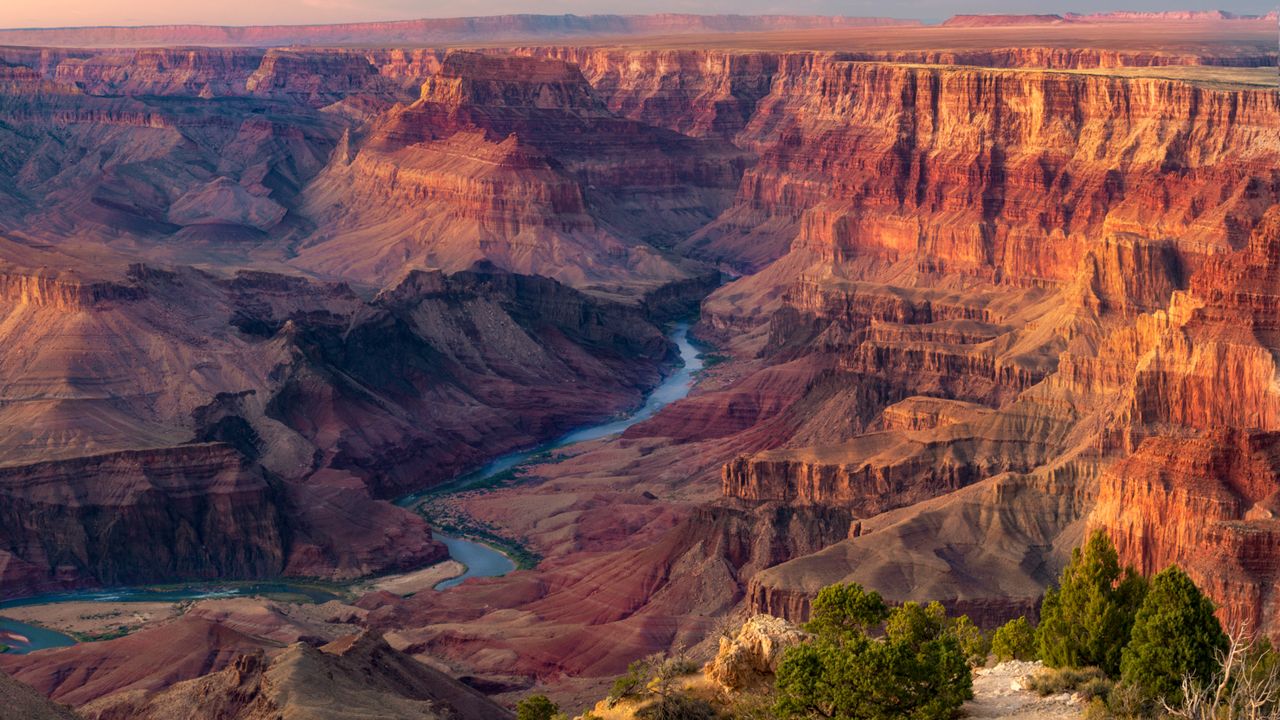
A multi-institution research team publishing in Science in April 2026 presents evidence that the ancestral Colorado River pooled in the Bidahochi Basin of northeastern Arizona before spilling westward and carving the Grand Canyon.
Using detrital zircon geochronology and ash-bed dating, researchers matched tiny zircon grains in Bidahochi sediments to upstream Colorado River sources, showing river-borne material present about 6.6 million years ago.
The authors infer a wide, shallow Bidahochi (Hopi) lake that filled and began spilling across the Colorado Plateau around 5.6 million years ago, routing incision through the Kaibab Arch and downstream basin spillovers that ultimately delivered the river to the Gulf of California by about 4.8 million years ago.
Paleontological hints — fossils of fish with features seen in modern fast‑water species — and increased downstream sedimentation support a transition to a riverine system.
The interpretation remains contested: other geologists argue alternative pathways and earlier notching of the Kaibab Arch by tributaries, so the lake‑spillover model is not universally accepted.
🔗 Based On
Channel NewsAsiaScientists decipher the geological history of the Grand Canyon




💬 Commentary