

📰 Full Story
A fragile diplomatic breakthrough over April 16-18 has eased immediate global market strains as Iran announced the Strait of Hormuz open for commercial traffic during a U.S.-backed 10-day Israel-Lebanon ceasefire.
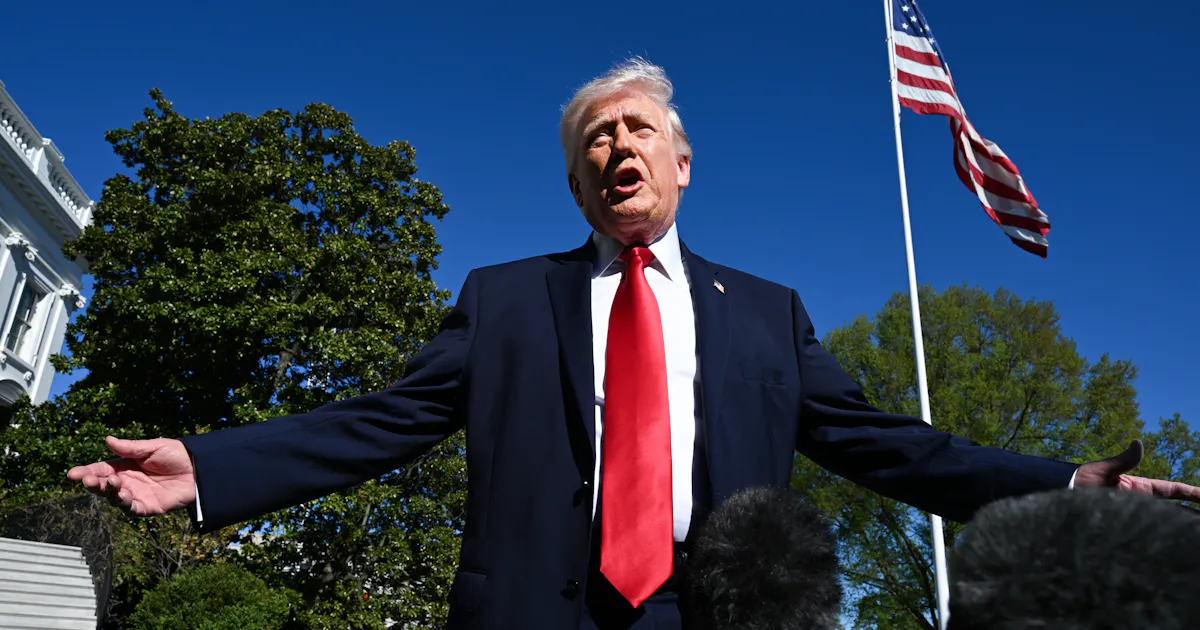
President Donald Trump said there was “good news” on Iran and predicted near-term talks, including possible meetings in Islamabad, and said the U.S. would recover enriched uranium from Iran “at a leisurely pace.” Tehran said transits must be coordinated with the Islamic Revolutionary Guard Corps and that unfreezing frozen Iranian funds was part of the arrangement.
Shipping firms and insurers remain cautious: vessel tracking showed a group of about 20 ships attempting transit but many turned back amid unresolved questions over sea lanes and mines.
More than a dozen countries have offered assets for a potential international mission to protect shipping once conditions permit.
Markets responded swiftly: STOXX 600 rose over 1% and oil plunged about 9-11% (Brent settled near $90.38, WTI $83.85), while gold gained.
The ceasefire leaves key issues unresolved — Israeli troop positions in southern Lebanon and Hezbollah’s armament — and the U.S. naval blockade on Iranian ports remains in place until any deal is finalised.
🤝 Social Media Insights
Social Summary
Key takeaways: the Strait’s reopening is conditional and tactical, not an unconditional restoration of normal trade, and market optimism may be premature because shipping, insurance and political risks persist; the ceasefire could be reversed if any side seeks advantage.
🕰️ The Story So Far: An Evolving Timeline
Friday, April 17, 2026 17:32 UTC
Hormuz reopening raises prospect of Iran peace deal
Tuesday, April 14, 2026 22:30 UTC
Trump and Modi Stress Keeping Hormuz Open




💬 Commentary