

📰 Full Story
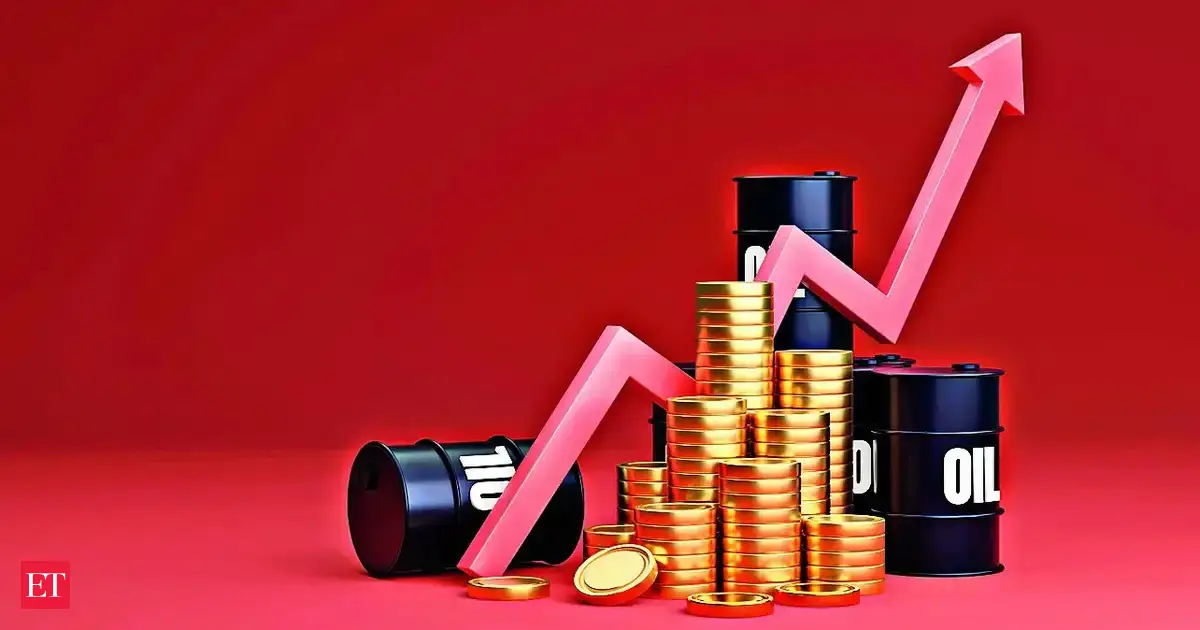
WASHINGTON, April 19, 2026 — Finance chiefs at the IMF and World Bank Spring Meetings acknowledged the institutions’ limited ability to shield the global economy from frequent geopolitical shocks, as a Middle East conflict and attacks on shipping deepened energy price and supply disruptions.
Officials pledged up to $150 billion in new financing for developing countries most affected by the shock and announced re-engagement with Venezuela’s acting government after a seven-year pause.
The IMF cut its 2026 growth forecast to 3.1% under its most optimistic scenario, while warning the outlook may deteriorate toward a 2.5% scenario if the war is prolonged.
Delegates urged restraint on fuel subsidies and oil hoarding, and U.S. Treasury Secretary Scott Bessent proposed a G20-IMF-World Bank initiative to secure fertilizer supplies.
Participants expressed frustration at being sidelined by diplomatic developments between the U.S. and Iran over the Strait of Hormuz, with several officials saying that reopening the strait and restoring safe tanker passage are critical to stabilizing markets.
The meetings underscored rising policy uncertainty and heightened risks to growth, especially for emerging economies.



💬 Commentary