

📰 Full Story
Stanford University’s 2026 AI Index finds the performance gap between the top U.S. and Chinese AI models has collapsed to about 2.7 percentage points, down from double-digit margins in 2023.
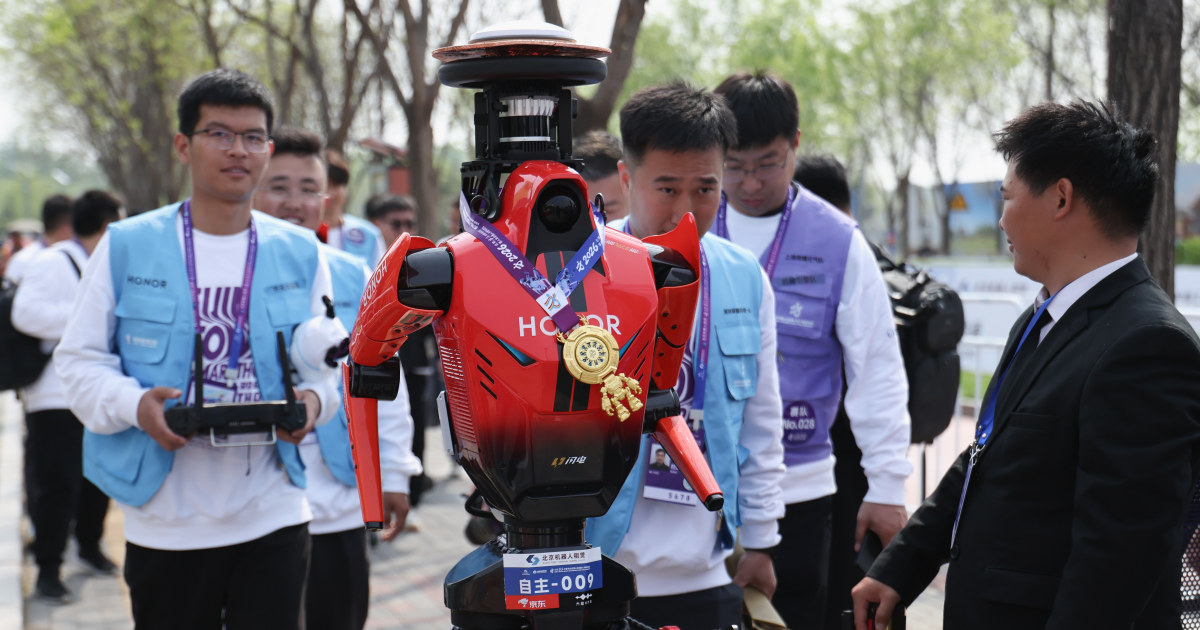
The report highlights China’s strength in volume metrics—roughly 23% of global AI publications, about 69–70% of AI patent filings, and nearly nine times the U.S. rate of industrial robot installations (≈295,000 vs ≈34,200). Leading model rankings remain tightly contested: Anthropic’s Claude Opus 4.6 tops Arena with a score of 1,503, while ByteDance’s Dola-Seed-2.0-Preview is close behind.
The U.S. still dominates private investment and infrastructure—around $286 billion in private AI investment in 2025 and over 5,400 data centres—but Stanford flags that China’s state-backed funding and non-public guidance funds likely understate its total spending.
Talent flows have shifted: migration of AI researchers to the U.S. has fallen sharply since 2017.
The report documents rapid capability gains across benchmarks while noting gaps between benchmark performance and real-world deployment.
Stanford’s findings, published in April 2026, portray a narrowing performance rivalry underpinned by different national strategies.




💬 Commentary