
📰 Full Story
A brewing clash over who should set rules for artificial intelligence has crystallised in Utah, where state Rep.
Doug Fiefia — a Republican and former Google employee — resisted White House pressure to abandon state-level AI oversight.
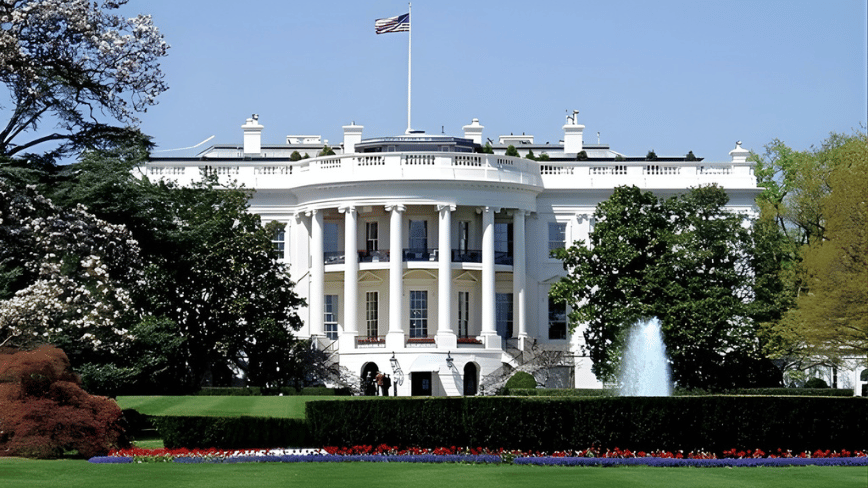
The Biden-era administration’s successor has pushed a national policy framework and executive actions aimed at preempting state laws, creating a Department of Justice AI Litigation Task Force (operational Jan. 10, 2026) and a Commerce Department review of state statutes.
The administration says a single, “minimally burdensome” federal standard is needed to avoid a patchwork that would hurt U.S. competitiveness; it has carved out narrow exceptions for child safety and procurement.
States, meanwhile, have accelerated activity — more than 1,200 AI bills were introduced in 2025 with scores enacted — and state measures in California, New York and Colorado are singled out for scrutiny.
Fiefia’s HB 286, aimed at frontier model transparency and child protections, passed a committee but stalled after White House objections.
The dispute has exposed tensions within the GOP over states’ rights and prompted a near-unanimous Senate rebuke of a proposed AI moratorium packaged in a must-pass bill.



💬 Commentary