NewsDigest

JPMorgan Expands $1.5 Trillion Security Initiative to Europe

🏷️ Finance & Economics🔗 6 sources48Digest ScoreiThis score reflects the story's reliability, bias neutrality, and public momentum.
JPMorgan Expands $1.5 Trillion Security Initiative to Europe

📰 Full Story

JPMorgan Chase on April 21, 2026 said it is extending its $1.5 trillion, 10‑year Security and Resiliency Initiative (SRI) across Europe and the U.K., building on a U.S. programme launched last year. The bank will focus on sectors it deems critical to economic and national security — including supply chains and advanced manufacturing, defense and aerospace, energy resilience, healthcare, semiconductors, critical minerals and strategic technologies such as AI and quantum computing. JPMorgan named Jay Horine and regional CEOs Conor Hillery and Matthieu Wiltz to lead SRI in Europe and said it intends, subject to regulatory approval, to appoint former UK chief of defence staff Admiral Sir Tony Radakin to an external advisory council. The bank will deploy its own capital (about $10 billion cited in prior announcements) and mobilise client debt and equity to finance projects across roughly 30 subsectors, with initial country focus on the U.K., France, Germany, Poland and Italy while offering support to EU and NATO members more broadly. JPMorgan framed the move as reducing reliance on unpredictable sources of strategic goods and strengthening transatlantic resilience.

GE Aerospace Q1 Beats Estimates, Warns on Oil

🏷️ Finance & Economics🌍 United States🔥 Trending🔗 23 sources60Digest ScoreiThis score reflects the story's reliability, bias neutrality, and public momentum.
GE Aerospace Q1 Beats Estimates, Warns on Oil

📰 Full Story

April 21, 2026 — GE Aerospace reported a stronger-than-expected start to 2026 while cautioning about near‑term risks from elevated oil prices and regional fuel supply constraints. The engine maker posted adjusted first‑quarter EPS of $1.86 (GAAP EPS $1.83) and GAAP revenue of $12.39 billion, with adjusted revenue about $11.61 billion. Total orders surged 87% to $23.0 billion and commercial services backlog topped roughly $170 billion. Management reaffirmed full‑year adjusted EPS guidance of $7.10‑$7.40 and free cash flow guidance of $8.0‑$8.4 billion, saying results are trending toward the high end of ranges. GE said it now assumes Brent crude stays elevated through Q3 and flagged a reduced industry departures outlook — flat to low‑single‑digit growth — driven by sharper declines in the Middle East. The company highlighted strong aftermarket demand, spare‑parts shortages and a healthy shop‑visit pipeline, and said its GE9X program schedule remains unchanged despite earlier durability issues.

Tesla Faces Earnings Test, Robotaxi Expansion

🏷️ Finance & Economics🌍 United States🔗 14 sources57Digest ScoreiThis score reflects the story's reliability, bias neutrality, and public momentum.
Tesla Faces Earnings Test, Robotaxi Expansion

📰 Full Story

Tesla Inc is heading into its April 21, 2026 first‑quarter earnings report under heightened scrutiny as investors weigh slowing auto metrics against the company’s AI ambitions. Wall Street consensus expects roughly $22.3 billion in revenue and $0.36 EPS; deliveries in Q1 came in at about 358,023 units versus a 365,000 estimate. Analysts forecast automotive gross margins near 16% and warn free cash flow could be negative as capital expenditures for AI, Terafab and other projects may top $20 billion in 2026. The stock has fallen about 12–13% year‑to‑date and trades at a lofty trailing P/E near 360x with a market cap around $1.47 trillion; insiders have sold roughly $20.9 million of shares this quarter. Market watchers are focused on management commentary about robotaxis, Full Self‑Driving (FSD) monetisation and spending on chips and Optimus. Separately, CEO Elon Musk expanded his SpaceX stake with a reported $1.4 billion employee share purchase as SpaceX prepares private briefings ahead of a possible late‑June IPO, and Musk’s refusal of a French summons over alleged algorithm manipulation has added regulatory noise after a modest stock dip.

Trump Pressures Firms Over Tariff Refund Claims

🏷️ Finance & Economics🌍 United States🔥 Trending🔗 4 sources48Digest ScoreiThis score reflects the story's reliability, bias neutrality, and public momentum.
Trump Pressures Firms Over Tariff Refund Claims

📰 Full Story

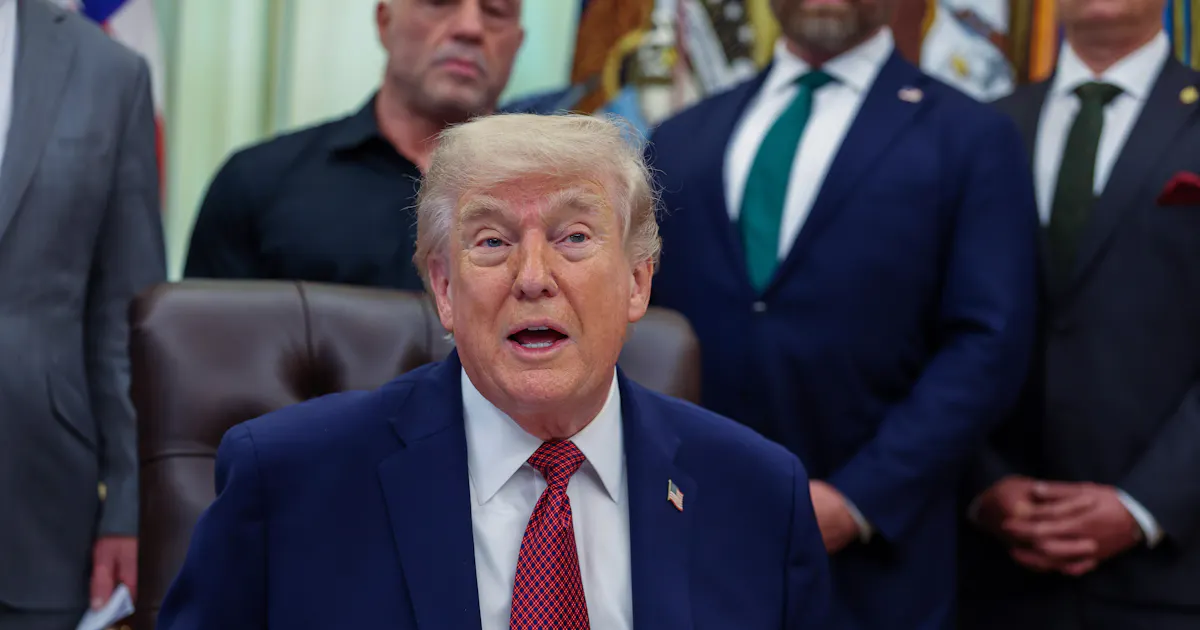
WASHINGTON, April 21 (Reuters) - President Donald Trump told CNBC he will “remember” companies that do not seek refunds for tariffs the Supreme Court struck down, a remark that appeared to pressure large U.S. importers amid the launch of a federal refund portal. U.S. Customs and Border Protection on April 20 opened the CAPE electronic system to process claims after a federal judge ordered refunds for duties collected under the International Emergency Economic Powers Act. The dispute involves roughly hundreds of billions of dollars in duties; CBP has identified about $127 billion in qualifying duties while other figures cited reach about $166 billion. Some major firms, including Apple, Amazon, Target and Walmart, had not immediately filed claims; others such as Costco and FedEx have sued to preserve refund rights. Judge Richard Eaton issued a temporary stay and asked for a progress report by April 28 and set a June 7 deadline for an appeal that could delay payments. CBP said valid refunds would be issued about 60-90 days after claim acceptance; the portal experienced some technical issues on launch.

SpaceX IPO: Musk Consolidates Voting Control

🏷️ Finance & Economics🌍 United States🔗 8 sources47Digest ScoreiThis score reflects the story's reliability, bias neutrality, and public momentum.
SpaceX IPO: Musk Consolidates Voting Control

📰 Full Story

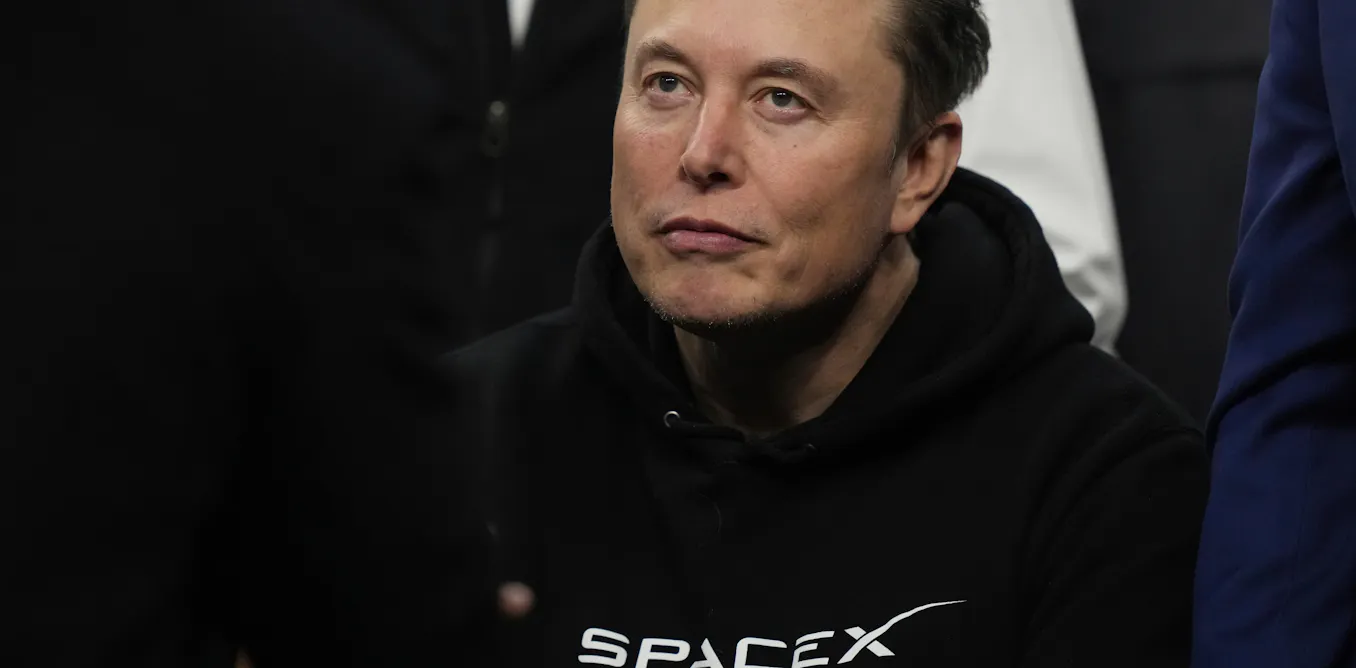
SpaceX’s newly public S-1 and related reporting show founder Elon Musk and a small group of insiders will retain dominant voting control after the company’s planned IPO. The prospectus details a dual-class share structure (Class B shares with 10 votes each versus one vote for Class A), giving Musk disproportionate influence despite holding roughly 42% of equity and about 79% of voting power. The filing targets a roughly $1.75 trillion valuation and a $75 billion raise, with an unusual allocation of up to 30% of shares for retail investors and a planned June listing. The documents also disclose Musk bought about $1.4 billion of SpaceX shares last year and could receive up to 60 million additional shares tied to steep market-cap milestones and an ambitious “orbital data center” plan. Financials show strong Starlink profits offsetting heavy AI-related capital spending after SpaceX’s acquisition of xAI; the combined business reported large capex and consolidated losses in 2025 even as cash and subscriber figures remain significant. The prospectus includes provisions restricting shareholder litigation and arbitration requirements.

AB Foods to demerge Primark, create two FTSE 100 firms

🏷️ Finance & Economics🌍 United Kingdom🔥 Trending🔗 17 sources42Digest ScoreiThis score reflects the story's reliability, bias neutrality, and public momentum.
AB Foods to demerge Primark, create two FTSE 100 firms

📰 Full Story

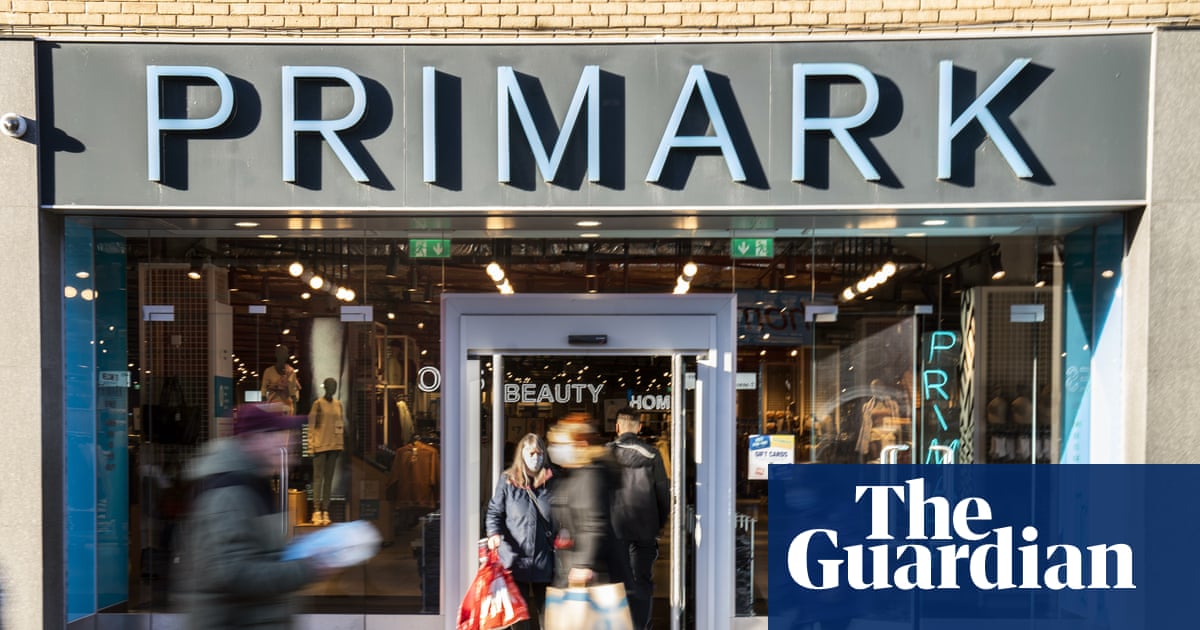
Associated British Foods (ABF) announced on April 21, 2026, that it will spin off its Primark fashion chain from its food operations in a demerger expected to complete by the end of 2027. The move will create two separately listed London companies—Primark as a standalone retailer and a food-focused group that will retain the Associated British Foods name. Primark, headquartered in Dublin, operates 486 stores in 19 markets with about £9.5 billion in annual revenue; ABF’s food, sugar and ingredients operations generate roughly £9.8 billion. Management said shareholders will receive shares in both entities, with Wittington Investments (the Weston family vehicle) remaining the majority holder in both. ABF flagged one-off separation and transaction costs of about £75 million and estimated lost synergies below £45 million. The group reported weaker first-half results—group revenue down around 2% and adjusted operating profit of £691 million—and its shares fell on the announcement. Company executives and analysts cited ongoing risks from the Middle East conflict, pressure in European retail, intensifying competition from fast-fashion online rivals, and headwinds in the sugar and U.S. grocery markets.

🔗 Based On

Explore more on NewsDigest