
📰 Full Story
U.S. President Donald Trump said on April 21 he would indefinitely extend a ceasefire with Iran to allow further peace talks, a move that appeared unilateral and was not immediately accepted by Tehran or Israel.
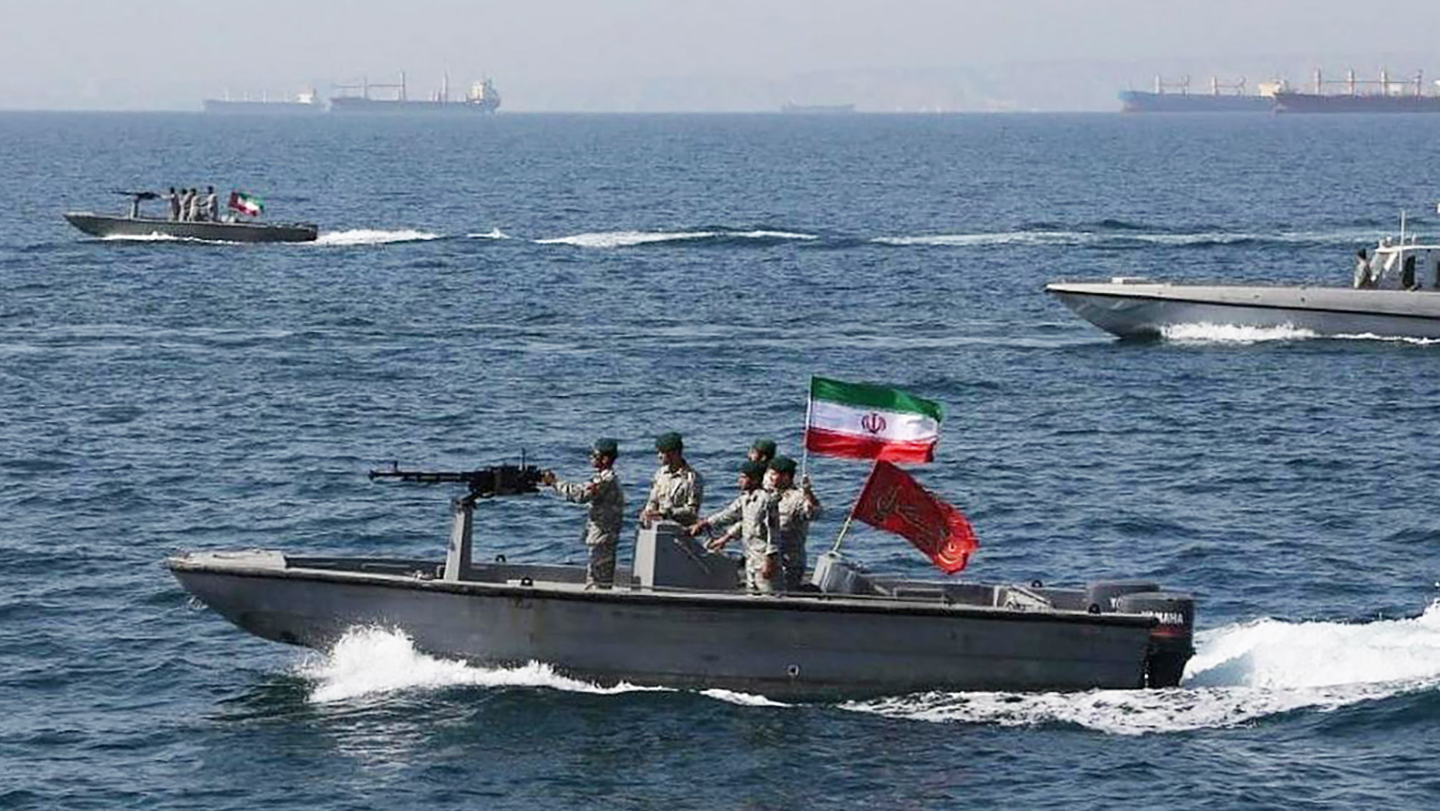
The announcement coincided with renewed maritime incidents: Iran’s Revolutionary Guards seized two container ships in the Strait of Hormuz and multiple vessels were reportedly fired upon, while U.S. forces intercepted and diverted at least three Iranian-flagged oil tankers in Asian waters.
The Strait — which normally carries about one-fifth of global oil and LNG flows — has effectively been disrupted, pushing Brent above $100 a barrel and U.S. crude toward the low $90s.
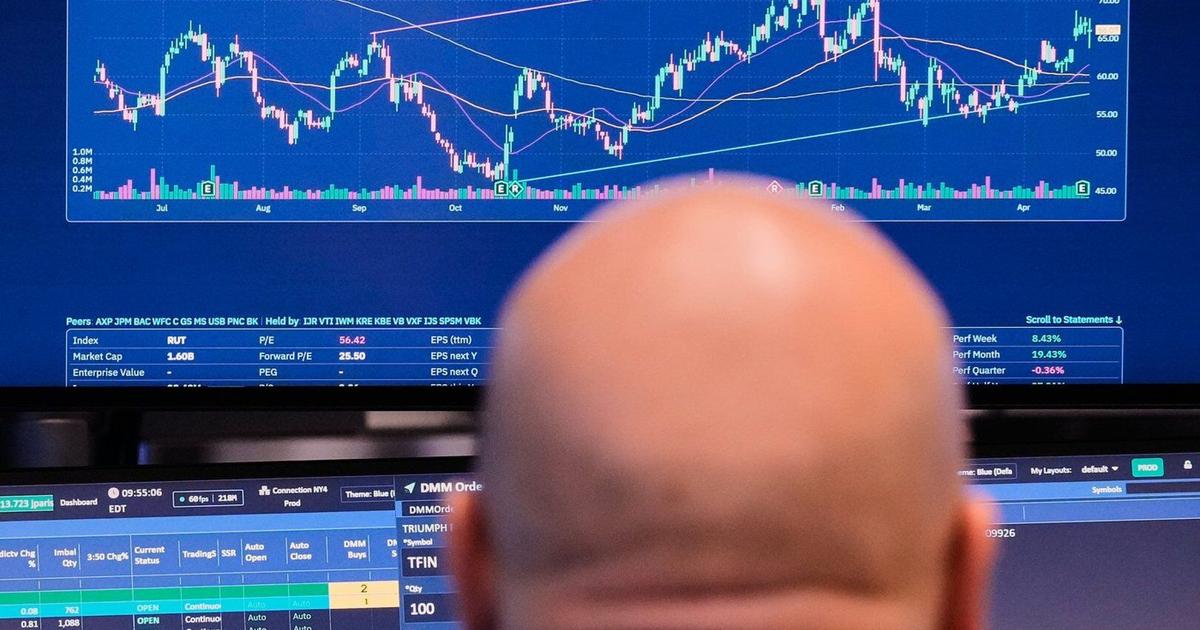
Global markets grappled with the mixed signals: U.S. equities advanced on ceasefire relief (S&P 500 and Nasdaq reached recent highs), while European and Asian indices showed uneven moves.
The dollar and U.S. Treasury yields edged higher; gold and some precious metals firmed.
Central banks and markets adopted a wait-and-see stance ahead of upcoming policy meetings, and energy and insurance markets signalled rising costs and logistical strains for global trade and transport.
🔗 Based On
🤝 Social Media Insights
Social Summary
IRGC control of military action means diplomatic agreements brokered with Iran’s political negotiators may not stop attacks on shipping. Without Tehran’s formal buy-in, a U.S. unilateral ceasefire risks being symbolic, making prolonged Strait disruption and wider economic fallout likely.
🕰️ The Story So Far: An Evolving Timeline
Wednesday, April 22, 2026 16:53 UTC
Trump extends Iran ceasefire as Hormuz turmoil persists
Sunday, April 19, 2026 16:44 UTC
Markets React as Trump Extends Iran Ceasefire
Saturday, April 18, 2026 18:39 UTC
Strait of Hormuz turmoil rattles global markets



💬 Commentary