NewsDigestFollow

Authors quit after UQ publisher cancels children’s book

🏷️ Books & Literature🌍 Australia🔗 4 sources29Digest ScoreiThis score reflects the story's reliability, bias neutrality, and public momentum.
Authors quit after UQ publisher cancels children’s book

📰 Full Story

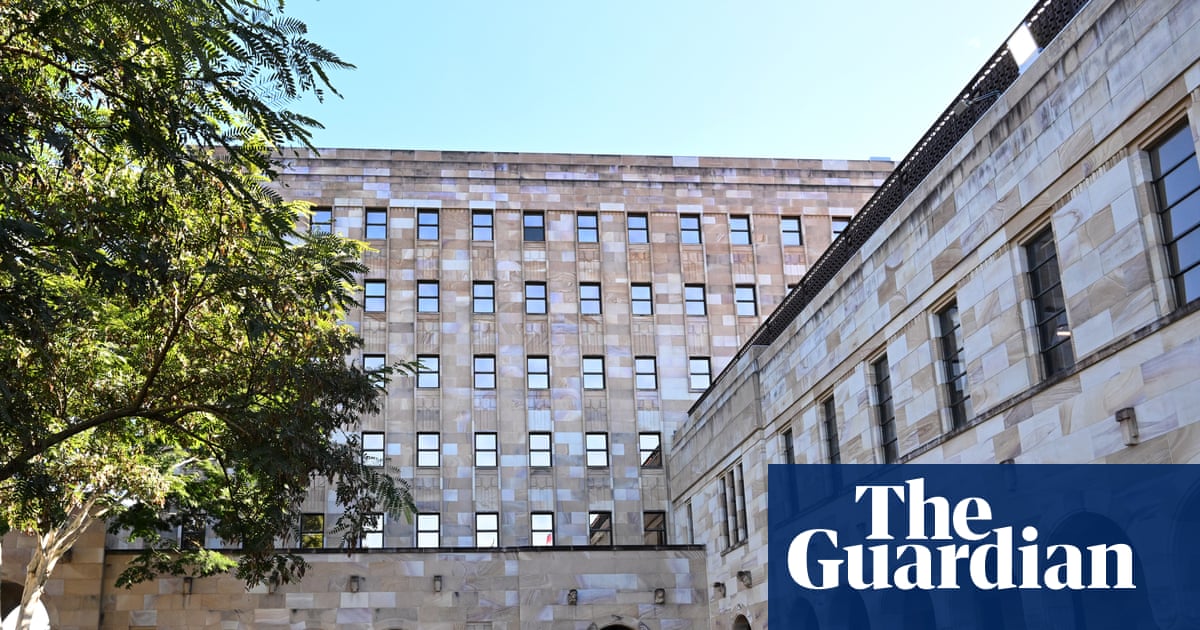
Dozens of authors have cut ties with the University of Queensland Press (UQP) after the publisher halted and then cancelled publication of Bila: a river cycle, a children’s picture book by Wiradjuri poet Jazz Money illustrated by Matt Chun. UQP paused printing in January and says it will not proceed after reviewing past comments by Chun that it found inconsistent with the university’s policies and its adopted definition of antisemitism. Chun published an essay titled “We Don’t Mourn Fascists” following the Bondi Beach terror attack; he has defended the piece. UQP says printed copies are being held while “recycling options” are considered; some media reports say about 5,000 copies had been printed. Prominent writers including Evelyn Araluen, Randa Abdel-Fattah, Melissa Lucashenko and others have publicly withdrawn from the publisher and backed open letters condemning the decision as a form of censorship that disproportionately harms First Nations storytelling. The Queensland Jewish Board of Deputies welcomed UQP’s action. New South Wales police’s Engagement and Hate Crime Unit has been reported to be investigating Chun’s post. The dispute has reignited debate in Australia over institutional definitions of antisemitism, free expression and publisher responsibilities.

Helen Phillips wins Climate Fiction Prize for Hum

🏷️ Books & Literature🌍 United Kingdom🔗 3 sources2Digest ScoreiThis score reflects the story's reliability, bias neutrality, and public momentum.
Helen Phillips wins Climate Fiction Prize for Hum

📰 Full Story

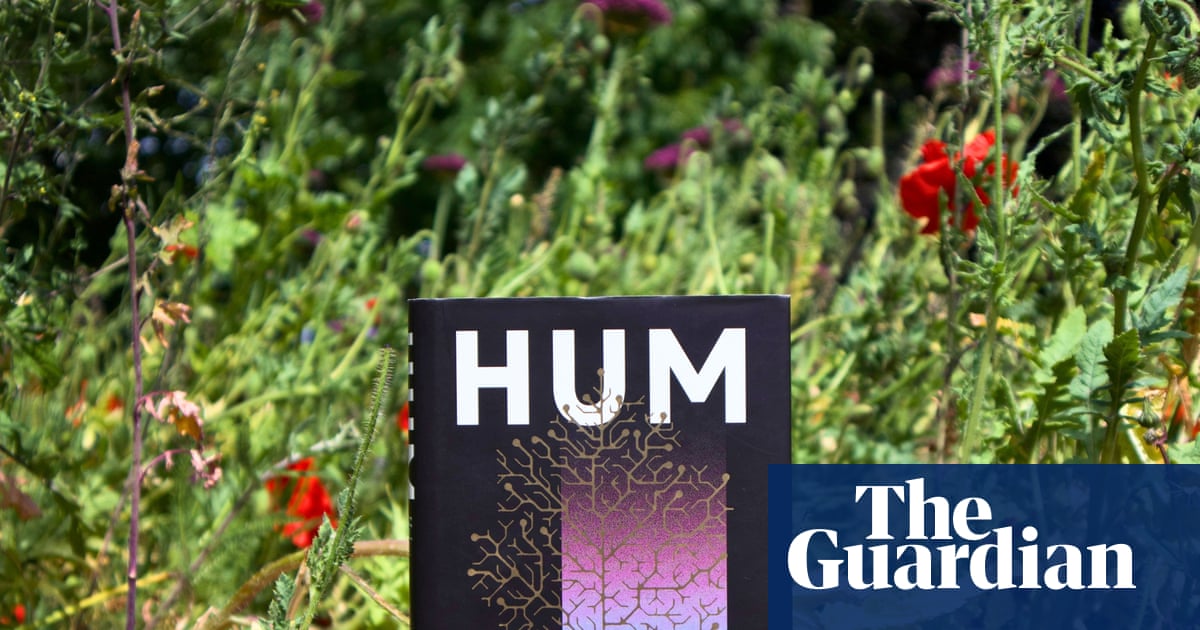
Helen Phillips’s third novel Hum has won the 2026 Climate Fiction Prize, backed by UK funder Climate Spring and carrying a £10,000 award, organisers and media reported on 27-28 May. The American author’s near‑future story follows May, who loses her job to a humanoid ‘hum’, becomes the subject of an experimental facial‑altering injection to evade surveillance, and spends a windfall on family passes to the city’s last Botanical Garden, a setting that highlights the book’s critique of the commodification of nature. Judges praised Hum for addressing privilege and the “Disneyfication” of green spaces, and noted its interrogation of surveillance, AI and consumer culture. The shortlist included works by Susanna Kwan, Maria Reva, Madeleine Thien, Robbie Arnott and others; last year’s prize went to Abi Daré. Phillips is due to discuss the book at the Hay festival at the end of May. Coverage in the Guardian and New Scientist emphasised the novel’s climate engagement and its blending of speculative technology with environmental and social themes.

🤝 Social Media Insights

Social Summary
1 / 5
Readers clarify that 'Disneyfication' is a real sociological concept but largely interpret Hum as a critique of AI, surveillance and the monetization of nature; they see the novel as potentially prophetic, and one reader flagged a possible typo in a sold edition.

WWII's Armed Services Editions: the biggest book giveaway

🏷️ Books & Literature🌍 United States🔗 3 sources0Digest ScoreiThis score reflects the story's reliability, bias neutrality, and public momentum.
WWII's Armed Services Editions: the biggest book giveaway

📰 Full Story

During World War II the U.S. Council on Books in Wartime organized what has been called the "biggest book giveaway in history": the production and distribution of Armed Services Editions (ASEs). Conceived by Col. Ray Trautman and printed from 1943 to 1947 on thin pulp paper to fit in service pockets, ASEs saw nearly 123 million copies of 1,322 titles sent to American troops. Distribution peaked around D-Day; Betty Smith's A Tree Grows in Brooklyn and a 1945 ASE of The Great Gatsby (155,000 copies) were among the most carried. Selections ranged from cowboy tales and romances to classics like Moby-Dick, biographies of Frederick Douglass and Queen Victoria, essays by Lincoln and Emerson, and poetry. The program faced criticism and attempted purges—notably during the 1944 election over perceived political bias—but public and troop pushback preserved broad access. The Library of Congress holds the only complete ASE collection. The story is being retold in a forthcoming book, A Librarian's War by Molly Guptill Manning, and was the subject of a May 2026 Fresh Air review by Maureen Corrigan reflecting on the program's cultural legacy.
Explore more on NewsDigest