
NewsDigestFollow

LVMH CEO Warns Middle East Conflict Risks Global Catastrophe

🏷️ Finance & Economics🌍 France🔗 6 sources51Digest ScoreiThis score reflects the story's reliability, bias neutrality, and public momentum.
LVMH CEO Warns Middle East Conflict Risks Global Catastrophe

📰 Full Story

PARIS, April 23, 2026 — Bernard Arnault, chairman and chief executive of LVMH, told shareholders at the luxury group’s annual meeting that the company’s return to growth hinges on a swift resolution of the Middle East conflict and warned the war could spiral into a “global catastrophe.” Arnault said the conflict shaved about one percentage point off LVMH’s organic sales growth in the first quarter, which came in at 1%, and noted that some malls in the Middle East saw sales slump as much as 70% in early March. LVMH shares have fallen roughly 26% year-to-date. Arnault said business could resume normal growth if the crisis is resolved rapidly; if it expands, outcomes are unpredictable. He also dismissed immediate succession concerns after shareholders renewed his mandate last year, while involving his five children more visibly in the meeting. The company — whose brands include Louis Vuitton, Dior and Tiffany — flagged the conflict’s dampening effect on tourism and high-margin regional sales, underscoring the luxury sector’s sensitivity to geopolitical shocks.

Nike to cut about 1,400 jobs in overhaul

🏷️ Finance & Economics🌍 United States🔗 9 sources59Digest ScoreiThis score reflects the story's reliability, bias neutrality, and public momentum.
Nike to cut about 1,400 jobs in overhaul

📰 Full Story

Nike said on April 23-24 it will eliminate roughly 1,400 roles, mainly within its Global Operations technology teams, as part of a broader “Win Now” turnaround. The reductions represent just under 2% of Nike’s global workforce and span North America, Europe and Asia. In an internal memo, Chief Operating Officer Venkatesh Alagirisamy said the moves will consolidate technology operations into two hubs — the Philip H. Knight Campus in Beaverton and the Nike India Technology Center — and include modernization of Air Manufacturing Innovation facilities, relocation of some Converse footwear engineering closer to factory partners, and tighter integration of materials into footwear and apparel supply chains. The cuts follow earlier reductions this year, including about 775 distribution center roles in January, and come as the company grapples with years-long sales pressure, a forecast 2–4% drop in the current quarter and an expected ~20% decline in China. Nike’s recent quarterly results showed profit and sales weakness, and its shares have fallen sharply over the past three years.

Intel forecasts strong AI-driven revenue surge

🏷️ Finance & Economics🌍 United States🔥 Trending🔗 28 sources57Digest ScoreiThis score reflects the story's reliability, bias neutrality, and public momentum.
Intel forecasts strong AI-driven revenue surge

📰 Full Story

Intel stunned markets on April 23-24, 2026 after reporting stronger-than-expected Q1 results and forecasting a second-quarter revenue range of $13.8bn–$14.8bn. Q1 revenue was $13.6bn, up about 7% year‑on‑year; Data Center & AI sales rose to $5.1bn (≈22% y/y). The company posted non‑GAAP EPS of $0.29 and a GAAP loss (about $0.73/share) reflecting significant restructuring and goodwill charges. Intel Foundry revenue increased to $5.4bn, though most foundry sales remained internal and external foundry customers were modest. CEO Lip‑Bu Tan said a shift from model training to inference and “agentic” AI has revived demand for CPUs, boosting Xeon orders and prompting partnerships and investments — including deals with Google, Nvidia, SoftBank, a U.S. government 10% stake, and participation in Elon Musk’s Terafab project. Intel also repurchased a minority stake in its Ireland Fab 34. Shares jumped roughly 15–20% in after‑hours trading, adding tens of billions in market value. Management cautioned that supply constraints (memory, wafers, substrates) and heavy foundry losses mean capacity and margin risks remain as the company scales production.

Mobileye Raises 2026 Outlook After Strong Q1

🏷️ Finance & Economics🌍 Israel🔗 13 sources52Digest ScoreiThis score reflects the story's reliability, bias neutrality, and public momentum.
Mobileye Raises 2026 Outlook After Strong Q1

📰 Full Story

Mobileye Global reported a stronger-than-expected first quarter on April 23–24, 2026, with revenue of $558 million, up about 27% year-on-year, and adjusted earnings of $0.12 per share. Adjusted operating income rose to $95 million, a 61% increase, and operating cash flow was $75 million. The Jerusalem-based company lifted its 2026 revenue guidance (now about $1.94–2.02 billion) and nudged adjusted operating income guidance higher. Management credited higher EyeQ unit shipments (roughly 10 million units in Q1), higher ADAS fitment at core Western customers and robust Chinese OEM export volumes. Mobileye also announced a $250 million share repurchase and reported a non-cash goodwill impairment of about $3.788 billion, producing a GAAP net loss of roughly $3.8 billion for the quarter. The stock jumped sharply on the results. Mobileye highlighted progress on advanced programs — SuperVision, Surround ADAS design wins (including Mahindra) and robotaxi work with Volkswagen/MOIA — while warning of geopolitical volatility, mix-driven margin pressure from lower ASP China volumes and a cautiously soft Q2 revenue outlook.

ServiceNow stock tumbles after earnings, margin warning

🏷️ Finance & Economics🌍 United States🔥 Trending🔗 40 sources48Digest ScoreiThis score reflects the story's reliability, bias neutrality, and public momentum.
ServiceNow stock tumbles after earnings, margin warning

📰 Full Story

ServiceNow reported first-quarter 2026 results on April 22, beating revenue and most profitability metrics but warning of near-term margin pressure and delayed deal closings tied to the Middle East conflict. Revenue was $3.77 billion, up 22% year‑on‑year; subscription revenue reached $3.67 billion. Adjusted EPS of $0.97 met expectations and non‑GAAP operating margin for Q1 was 32%. Management said deal timing in the Middle East created roughly a 75 basis‑point headwind to subscription growth and flagged margin drag from the recently closed Armis acquisition (closed mid‑April), which it expects to add to subscription growth but reduce full‑year operating margin by about 75 bps and depress Q2 operating margin by roughly 125 bps. CEO Bill McDermott raised the company’s AI revenue target to about $1.5 billion for 2026. Investors sold heavily on April 23, driving the shares down roughly 15–18% intraday; multiple analysts cut price targets while others reiterated buy/overweight ratings (Barclays initiated coverage at overweight, $132 target).

Asia markets mixed as oil rises on Iran standoff

🏷️ Finance & Economics🔗 3 sources47Digest ScoreiThis score reflects the story's reliability, bias neutrality, and public momentum.
Asia markets mixed as oil rises on Iran standoff

📰 Full Story

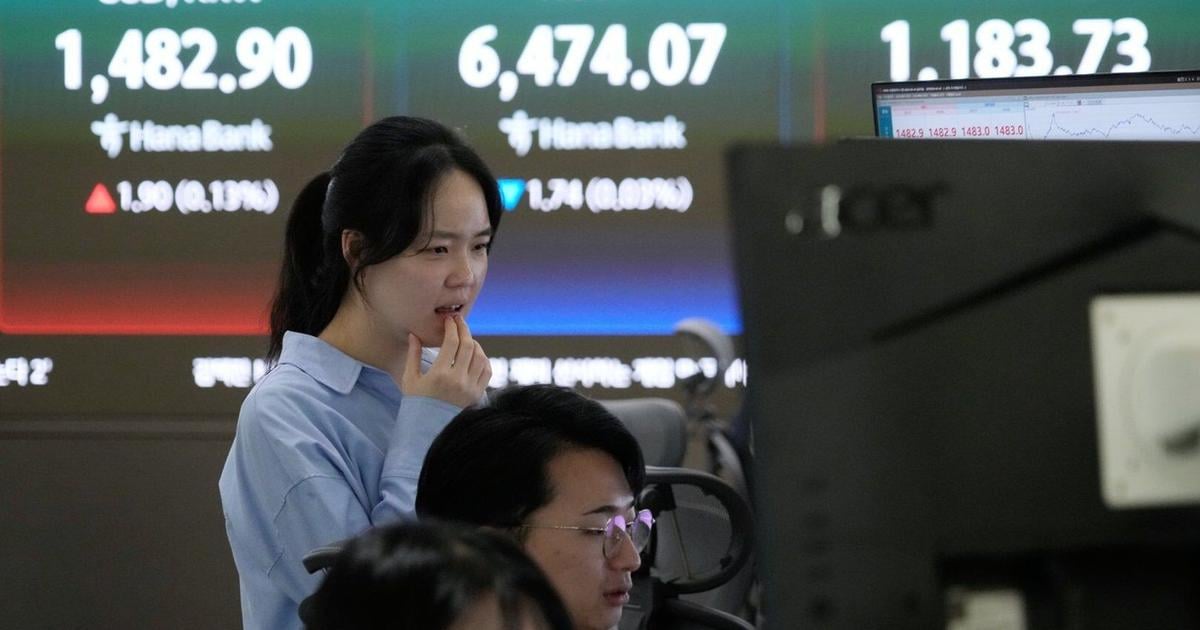
Asian equity markets were mixed on April 24 as oil prices climbed amid stalled U.S.-Iran peace talks and continued disruption in the Strait of Hormuz. Japan’s Nikkei rose about 0.5-0.6% and briefly hit record intraday levels, while Hong Kong’s Hang Seng, Shanghai Composite and South Korea’s Kospi fell. Taiwan’s Taiex jumped on heavy gains in chipmaker TSMC. MSCI’s Asia-Pacific ex-Japan index was modestly higher for the week. Brent crude traded around $100-$106 a barrel in different contracts, while U.S. crude sat near $96-$97, after reports of Iranian attacks on ships and seizures in the strait and a U.S. sea blockade. U.S. President Donald Trump said he extended a ceasefire to allow talks to continue but ordered intensified mine-clearing and tougher rules of engagement for Iranian small boats. Safe-haven flows left the dollar stronger and the yen near the key 160-per-dollar threshold, reviving warnings of possible Japanese intervention. Investors are also watching a raft of central bank decisions next week, including the Fed, ECB, BOE and BOJ, for guidance on how policymakers will react to higher energy-driven inflation risks.
Explore more on NewsDigest