NewsDigestFollow

GM to invest C$691 million in St. Catharines plant

šŸ·ļø AutomotivešŸŒ CanadašŸ”„ TrendingšŸ”— 5 sources35Digest ScoreiThis score reflects the story's reliability, bias neutrality, and public momentum.
GM to invest C$691 million in St. Catharines plant

šŸ“° Full Story

General Motors announced on April 29, 2026 that it will invest C$691 million (about US$505 million) to upgrade its St. Catharines Propulsion Plant in Ontario to produce the company’s sixth-generation V‑8 engines for full‑size trucks and SUVs. The work will fund new machinery, tooling and facility renovations; equipment has already begun arriving. St. Catharines will join Tonawanda (Buffalo, N.Y.) and Flint, Mich., as the three North American plants building the next‑gen small‑block V‑8s, which are slated for the 2027 Chevy Silverado, GMC Sierra and future full‑size SUVs. The announcement comes amid ongoing sector turbulence in Canada after U.S. tariffs and recent GM restructuring: Oshawa cuts and layoffs earlier in 2026, and the idling of the CAMI/Ingersoll plant following the BrightDrop electric van shutdown in 2025. GM says the investment cements St. Catharines’ role in its core vehicle programs and aims to meet continued demand for high-volume pickup trucks across North America.

Volkswagen warns of deeper cost cuts after profit plunge

šŸ·ļø AutomotivešŸŒ GermanyšŸ”— 3 sources32Digest ScoreiThis score reflects the story's reliability, bias neutrality, and public momentum.
Volkswagen warns of deeper cost cuts after profit plunge

šŸ“° Full Story

Volkswagen said on April 30, 2026 that its future is at risk unless it implements further cost cuts after first-quarter net profit fell 28% to €1.56 billion and revenues dropped to about €75.7–76 billion, missing analyst expectations. The group delivered just over two million vehicles in Jan–Mar, with sharp declines in China and North America and EV deliveries plunging in some markets. CFO Arno Antlitz said existing measures are insufficient and the company must ā€œfundamentally changeā€ its business model, including adjusting capacity, optimising plant costs and potentially deeper overhead reductions. VW already plans to cut 50,000 jobs across its brands in Germany by 2030. Antlitz flagged rising competition from Chinese automakers such as BYD and said US tariffs introduced last year add roughly €4 billion in annual costs. The group forecasts 2026 sales growth of 0–3% and a core profit margin of 4–5.5%, but noted forecasts do not incorporate possible impacts from the Middle East war. CEO Oliver Blume cited geopolitical tensions, trade barriers and regulatory pressure as mounting headwinds.

U.S. Bans Chinese Airbag Inflators After Fatal Crashes

šŸ·ļø AutomotivešŸŒ United StatesšŸ”— 3 sources27Digest ScoreiThis score reflects the story's reliability, bias neutrality, and public momentum.
U.S. Bans Chinese Airbag Inflators After Fatal Crashes

šŸ“° Full Story

The U.S. National Highway Traffic Safety Administration (NHTSA) on April 29 ordered a ban on aftermarket Chinese-made airbag inflators marked ā€œDTN60DBā€ after investigators linked the components to at least 10 fatal crashes and two serious injuries. NHTSA said inflators ruptured in frontal impacts, propelling large metal fragments into drivers’ chests, necks, eyes and faces. Documented incidents have involved used General Motors and Hyundai vehicles, though the agency warned the hazard may extend beyond those makes. Federal officials said the parts were likely illegally imported into the United States; Jilin Province Detiannuo Automobile Safety System Co. Ltd. (DTN) has denied selling the inflators to U.S. firms and disputed a causal link. NHTSA previously issued an urgent warning in January; the agency cites crashes dating back to May 2023, including a February fatality in Clarksdale, Mississippi. The ban aims to stop further deaths and will be accompanied by enforcement efforts to deter importers and installers of non-compliant replacement components. Consumers are urged to have replacement airbags inspected, especially in used vehicles involved in prior collisions.

Volkswagen unveils affordable ID. Polo electric hatchback

šŸ·ļø AutomotivešŸŒ GermanyšŸ”— 6 sources15Digest ScoreiThis score reflects the story's reliability, bias neutrality, and public momentum.
Volkswagen unveils affordable ID. Polo electric hatchback

šŸ“° Full Story

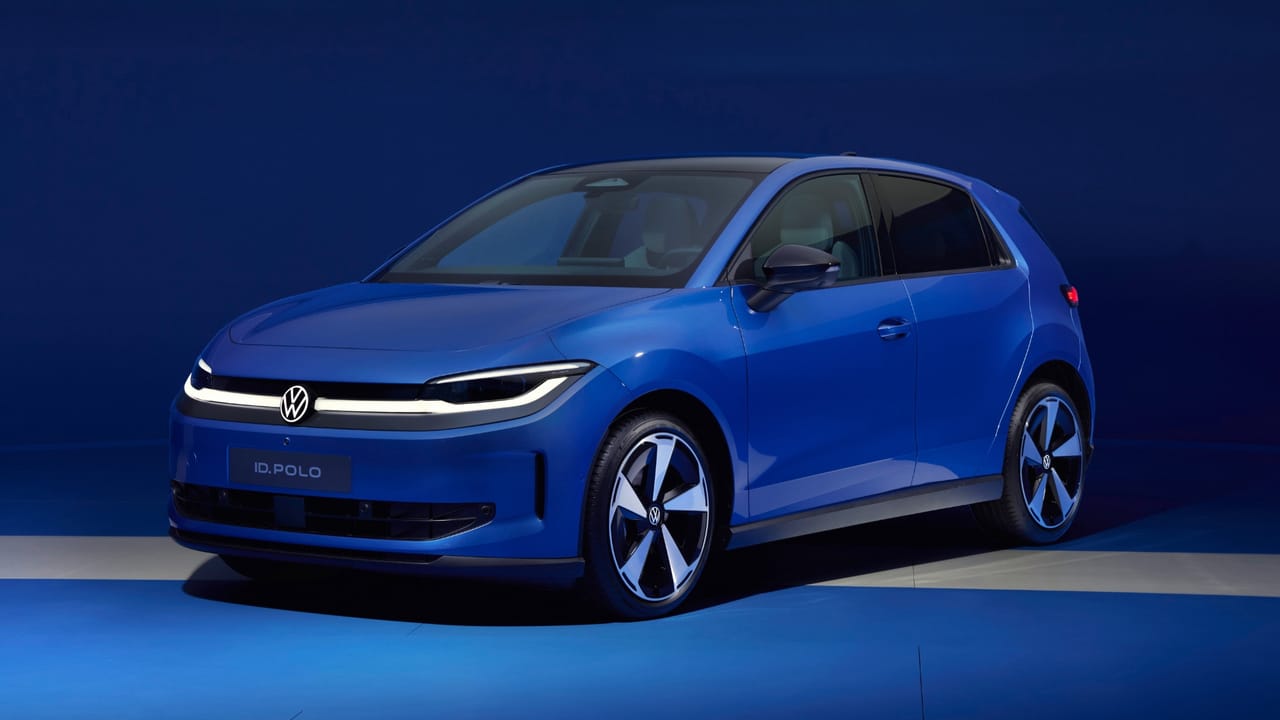
Volkswagen has revealed the production ID. Polo, a small, front‑wheel‑drive electric hatch that replaces the combustion‑only Polo at the entry of VW’s EV line-up. The model will be offered with two battery sizes — a 37 kWh LFP pack and a 52 kWh NMC pack — and power outputs ranging from about 114 hp to 208 hp, with a sporty GTI variant (around 223 hp) due later. WLTP ranges are quoted at roughly 329 km for the smaller pack and up to about 282 miles (ā‰ˆ455 km) for the larger battery. DC fast‑charging peaks at about 90 kW (small pack) and 105 kW (large pack). Interior and tech highlights include a 10‑inch digital cockpit, 13‑inch infotainment screen, restored physical controls and vehicle‑to‑load capability. Volkswagen will build the ID. Polo in Spain; pre‑sales have opened in Germany with entry pricing from about €24,995, while Volkswagen Ireland has confirmed a heavily subsidised Irish starting price of €19,885 (including SEAI grant and VRT relief) for the base 37 kWh model. VW says the Polo will be sold across Europe but not offered in the U.S.

Volvo Cars Q1: Profit, Sales Slide Amid Headwinds

šŸ·ļø AutomotivešŸŒ SwedenšŸ”„ TrendingšŸ”— 3 sources13Digest ScoreiThis score reflects the story's reliability, bias neutrality, and public momentum.
Volvo Cars Q1: Profit, Sales Slide Amid Headwinds

šŸ“° Full Story

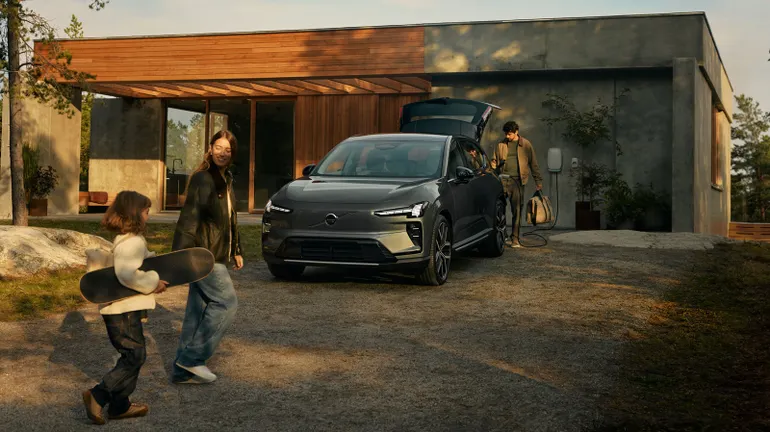
Volvo Cars reported mixed first-quarter 2026 results on April 29, posting operating profit of SEK 1.6 billion and an EBIT margin of 2.2% as revenues fell to SEK 72.6 billion from SEK 82.9 billion a year earlier. Global retail volumes dropped about 11% year-on-year, driven by a 28% decline in the Americas and a roughly 17% fall in China, while Europe—particularly the U.K.—showed relative strength. Growth in battery-electric vehicle (BEV) sales lifted BEV share to about 24% of volumes (from 19% a year earlier) and electrified models accounted for roughly 47% of sales. Free cash flow was negative SEK 10.0 billion versus SEK -6.3 billion a year earlier, partly due to inventory build linked to the new EX60 electric SUV’s production ramp. Management said EX60 orders have exceeded expectations and margins are favorable, but warned that geopolitical tensions, currency moves, tariffs and the removal of U.S. tax incentives for EVs are pressuring volumes and will affect second-quarter profitability. The company is on track to cut an additional ~SEK 5 billion in costs.
Explore more on NewsDigest