
NewsDigestFollow

Ontario lowers colorectal cancer screening to 45

🏷️ Medical🌍 Canada🔗 3 sources29Digest ScoreiThis score reflects the story's reliability, bias neutrality, and public momentum.
Ontario lowers colorectal cancer screening to 45

📰 Full Story

Ontario will lower the starting age for routine colorectal cancer screening from 50 to 45 on July 1, 2026, Cancer Care Ontario guidance posted by Ontario Health says. The change expands ColonCancerCheck eligibility for average-risk adults to receive a fecal immunochemical test (FIT) every two years; primary care providers may order FITs from July 1 and formal invitation letters will be phased in over two years. People with a first-degree relative diagnosed before age 60 should begin screening at 40 (or 10 years younger than the relative’s diagnosis), while those with one relative diagnosed at 60 or older will now use FIT biennially instead of immediate colonoscopy. The policy follows modelling and mounting international evidence of rising early-onset colorectal cancer and mirrors earlier moves by Prince Edward Island, the United States and Australia. Health officials expect a modest short-term increase in abnormal FIT results and higher demand for colonoscopies, surgeries and pathology but say earlier detection will reduce diagnoses, deaths and long-term system costs and may help address disparities affecting First Nations communities.
India advises citizens to avoid travel to Ebola-hit Africa

🏷️ Medical🌍 India🔥 Trending🔗 7 sources28Digest ScoreiThis score reflects the story's reliability, bias neutrality, and public momentum.
India advises citizens to avoid travel to Ebola-hit Africa

📰 Full Story

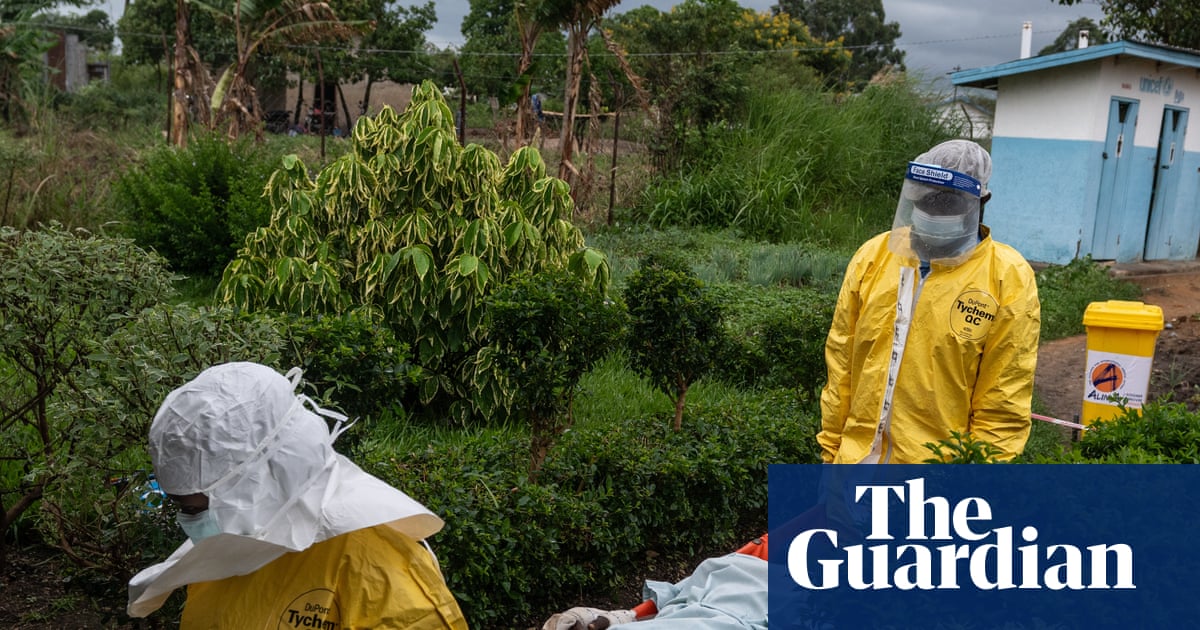
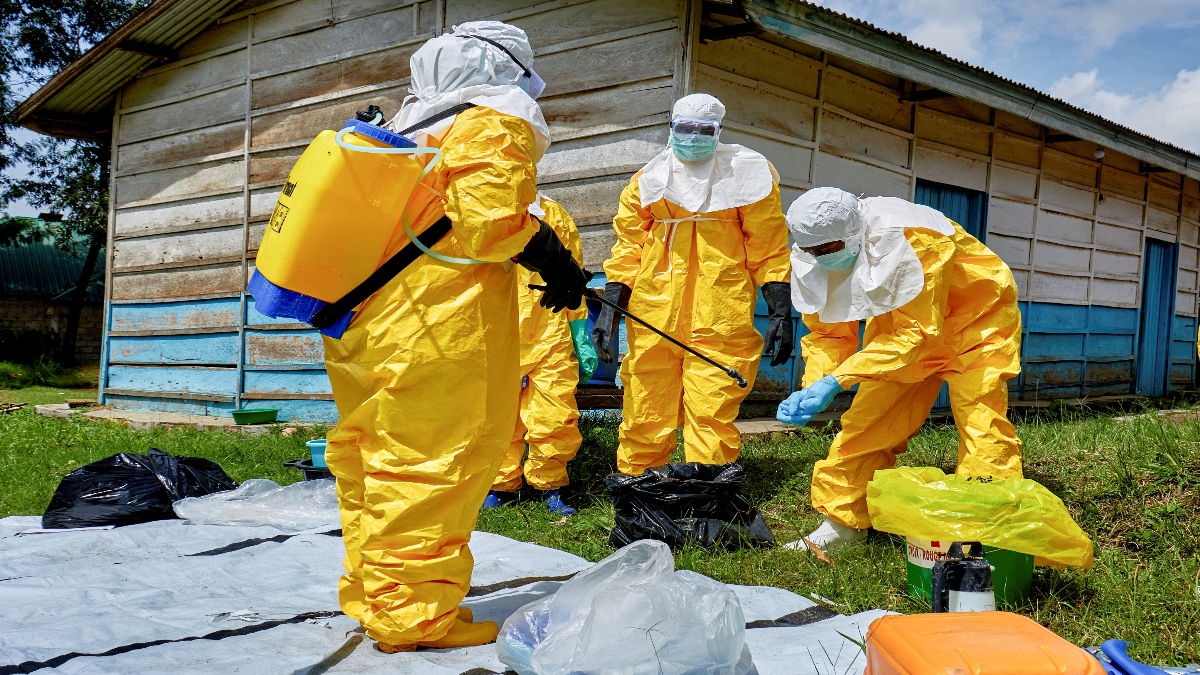
The Government of India on May 24 advised citizens to avoid non-essential travel to the Democratic Republic of the Congo (DRC), Uganda and South Sudan amid an outbreak of Ebola disease caused by the Bundibugyo strain. The advisory follows the World Health Organization’s May 17 determination that the situation constitutes a Public Health Emergency of International Concern (PHEIC) and temporary recommendations issued by the IHR Emergency Committee on May 22 to strengthen surveillance at points of entry and to discourage travel to affected areas. The Africa Centres for Disease Control and Prevention has also declared the situation a Public Health Emergency of Continental Security. India said it has not reported any Bundibugyo cases, urged nationals in the region to follow local public-health guidance, maintain heightened hygiene and seek immediate care for fever or related symptoms, and directed health facilities to enhance detection and response capacity. New Delhi additionally dispatched an initial consignment of medical supplies and personal protective equipment to the Africa CDC to support response efforts. There are currently no approved vaccines or specific treatments for Bundibugyo-strain Ebola.

DR Congo bans wakes as Ebola risk rises

🏷️ Medical🌍 Democratic Republic of the Congo🔥 Trending🔗 36 sources9Digest ScoreiThis score reflects the story's reliability, bias neutrality, and public momentum.
DR Congo bans wakes as Ebola risk rises

📰 Full Story

The World Health Organization has raised its risk assessment for an Ebola outbreak in the Democratic Republic of the Congo to "very high" at the national level after confirmation the rare Bundibugyo strain is spreading beyond its initial Ituri hotspot. As of May 22-23 authorities report about 82 confirmed cases (seven confirmed deaths) alongside nearly 750 suspected cases and 177 suspected deaths; two cases have been confirmed in neighbouring Uganda. Ituri provincial officials have banned funeral wakes, limited public gatherings to 50 people and suspended local events after violent incidents, including the burning of a treatment centre in Rwampara when residents sought to reclaim a body. Armed groups such as M23 control parts of eastern DRC, complicating access for responders. The UN released roughly $60 million from its emergency fund, and the United States pledged $23 million and support for up to 50 clinics. No approved vaccine or targeted therapeutics exist for the Bundibugyo strain; diagnostics and supplies are limited, and misinformation and insecurity are impeding contact tracing and containment.

Urgent separation of Papua New Guinea conjoined twins

🏷️ Medical🌍 Australia🔗 3 sources7Digest ScoreiThis score reflects the story's reliability, bias neutrality, and public momentum.
Urgent separation of Papua New Guinea conjoined twins

📰 Full Story

A multinational medical mission successfully separated conjoined twins born in a remote region of Papua New Guinea after urgent transfer to Sydney. The boys, Tom and Sawong, born in October and joined at the chest, abdomen and pelvis, shared a liver, portions of the gastrointestinal tract and several major blood vessels. Tom had a congenital heart defect and underdeveloped lungs and was sustaining both infants’ circulation, leading clinicians to conclude that without separation both would die. After assessments in Port Moresby by visiting specialists, the twins were airlifted to Children’s Hospital at Westmead in Sydney. An eight‑hour operation involving five specialist surgeons and a large theatre team uncovered more complex shared anatomy than scans had shown. Tom died shortly after separation; Sawong survived and has been recovering in hospital and is expected to return to Papua New Guinea in the coming weeks. Doctors and the boys’ mother, Fetima Tinggar, described the mission as technically demanding and emotionally wrenching. The case highlighted limits of neonatal surgical capacity in PNG and the logistics of cross‑border retrieval care.

PCOS renamed PMOS to reflect metabolic causes

🏷️ Medical🔗 3 sources5Digest ScoreiThis score reflects the story's reliability, bias neutrality, and public momentum.
PCOS renamed PMOS to reflect metabolic causes

📰 Full Story

A long-standing women’s health condition long known as polycystic ovary syndrome (PCOS) has been renamed polyendocrine metabolic ovarian syndrome (PMOS) following a decade-long international consensus process. The change, agreed by 56 professional and patient organisations with input from more than 22,000 people and announced in a Lancet consensus paper published May 12 and presented at an endocrinology congress in Prague, aims to shift clinical focus from ovarian appearance to the broader endocrine and metabolic drivers of the disorder. PMOS affects an estimated one in eight women and is associated with irregular periods, excess hair growth, acne, infertility and higher lifelong risks of type 2 diabetes and cardiovascular disease. Diagnostic criteria remain the same (two of three core features), and the transition to the new name will be phased in over several years through updated guidelines, medical education and disease coding. Advocates say the new name should reduce stigma, speed diagnosis and prompt more comprehensive screening for metabolic and mental-health comorbidities; some patients warn the change could cause short-term confusion in clinical practice and public awareness.

Global mental disorders hit 1.2 billion in 2023

🏷️ Medical🔗 4 sources4Digest ScoreiThis score reflects the story's reliability, bias neutrality, and public momentum.
Global mental disorders hit 1.2 billion in 2023

📰 Full Story

A major analysis of Global Burden of Disease Study 2023 data, published in The Lancet on May 22-23, 2026, estimates nearly 1.2 billion people worldwide were living with a mental disorder in 2023—about a 95% increase since 1990. Anxiety disorders and major depressive disorder are the most common contributors to the rise, and mental disorders have become the leading cause of disability globally, accounting for a large share of years lived with disability (YLDs). The burden peaks among adolescents aged 15–19 and disproportionately affects females (about 620 million women versus 552 million men). Researchers link the surge to a complex mix of factors including childhood sexual and intimate partner violence, bullying, poverty, inequality, climate shocks, pandemics and conflict. The report also warns that health services have not expanded proportionately: only a small fraction of those with major depression receive minimally adequate treatment, leaving major gaps in prevention, early intervention and care worldwide.

🤝 Social Media Insights

Social Summary
1 / 5
Key takeaways: the surge in recorded mental disorders reflects both improved detection and real increases tied to social stressors, but age-adjusted rates rose far less than raw counts. Meanwhile severe shortages and access barriers mean most affected people still lack effective care.
Explore more on NewsDigest