NewsDigestFollow

Trump administration pivots to AI model vetting

🏷️ Tech News🌍 United States🔥 Trending🔗 9 sources29Digest ScoreiThis score reflects the story's reliability, bias neutrality, and public momentum.
Trump administration pivots to AI model vetting

📰 Full Story

The U.S. government has abruptly shifted from a hands-off stance on artificial intelligence to a formal vetting approach for frontier models after concerns raised by Anthropic’s new Mythos system. The Commerce Department’s Center for AI Standards and Innovation (CAISI), part of NIST, announced voluntary agreements with Google DeepMind, Microsoft and xAI to conduct pre-deployment and post-deployment evaluations. CAISI said it has completed more than 40 evaluations, including unreleased models, and has formed an interagency task force to assess national security risks. White House National Economic Council Director Kevin Hassett said officials are studying a possible executive order to establish a roadmap for reviewing advanced AI systems “like an FDA drug.” The move follows earlier rollback of Biden-era AI safeguards and the rebranding of the U.S. AI Safety Institute; Chris Fall now leads CAISI. Industry and security experts warn the review regime could bolster defenses against AI-enabled cyber threats but raise questions about intellectual property protection, politicization of approvals, and whether voluntary agreements may become de facto preconditions for market access. Reports and statements were published May 6–7, 2026.

🤝 Social Media Insights

Social Summary
1 / 5
Publicly verifiable patches tied to model testing make AI-driven cybersecurity risks concrete and bolster arguments for well-funded, independent pre-release vetting; commenters also warn against exaggerating novelty and against allowing oversight to become politicized or opaque.

🕰️ The Story So Far: An Evolving Timeline

Thursday, May 7, 2026 04:08 UTC
Trump administration pivots to AI model vetting
Tuesday, May 5, 2026 16:48 UTC
US gains early access to Google, Microsoft, xAI models

SoftBank to invest up to €75 billion in France

🏷️ Tech News🌍 France🔥 Trending🔗 5 sources53Digest ScoreiThis score reflects the story's reliability, bias neutrality, and public momentum.
SoftBank to invest up to €75 billion in France

📰 Full Story

PARIS, May 30, 2026 — SoftBank Group said it will invest an initial €45 billion and up to €75 billion over time to build AI data centre capacity in France, in what it described as its largest European infrastructure commitment. The first phase targets 3.1 gigawatts of capacity in the Hauts-de-France region by 2031 with sites in Dunkirk (Loon-Plage), Le Bosquel and Bouchain; additional sites across France would bring planned capacity to about 5 GW. Schneider Electric is a named partner to supply modules and EDF — the state-owned utility — will hand over at least one former power plant for conversion. The pact is being presented at the Choose France summit and follows direct engagement between SoftBank founder Masayoshi Son and President Emmanuel Macron. SoftBank has also been expanding AI infrastructure globally and has invested heavily in AI companies, including over $30 billion in OpenAI. French officials say the project will support industrial supply chains, research ties and thousands of skilled jobs; energy and grid demands will be a central planning issue.

Google rolls out Gemini Spark to AI Ultra

🏷️ Tech News🌍 United States🔗 4 sources40Digest ScoreiThis score reflects the story's reliability, bias neutrality, and public momentum.
Google rolls out Gemini Spark to AI Ultra

📰 Full Story

Google has begun rolling out Gemini Spark, a 24/7 agentic AI that can act across users' digital ecosystems, to US-based Google AI Ultra subscribers beginning May 29–30, 2026. Spark runs in the cloud and can operate even when a user’s phone or laptop is off, performing scheduled or condition-triggered Tasks using reusable Skills and Schedules. It integrates with Google Workspace services — Gmail, Calendar, Drive, Docs, Sheets and Slides — and can use a remote browser and remote compute to interact with websites and execute code. Early details show limits such as 15 concurrent tasks, compute-based usage caps, and a Beta label on mobile and web. Spark appears in the Gemini side panel on desktop and between Search chats and Daily brief on mobile. Google positions the agent as user-controlled, designed to seek approval before major actions, and plans additional features this summer, including the ability to make payments and a desktop app. The capability is part of Google’s broader push to move beyond chatbots toward autonomous agents; AI Ultra subscriptions now start at about $99.99 per month.

Meta developing AI pendant, expands wearables lineup

🏷️ Tech News🌍 United States🔥 Trending🔗 6 sources38Digest ScoreiThis score reflects the story's reliability, bias neutrality, and public momentum.
Meta developing AI pendant, expands wearables lineup

📰 Full Story

Meta is developing an AI-powered pendant and plans to start testing the device within the next year, according to an internal memo reported on May 29–30, 2026. The pendant work builds on Meta’s 2025 acquisition of AI-wearables startup Limitless, maker of a clip-on device that records and transcribes conversations. The memo also outlines an expanded smart-glasses roadmap — with codenames including Modelo, Luna, RBM2 Refresh and Mojito VIP — and a business-focused subscription called “Wearables for Work.” The initiatives are positioned as part of a push to revive Meta’s Reality Labs hardware division, which has reported heavy losses (about $4.0 billion in Q1 2026 and large cumulative shortfalls in prior years). Company documents reportedly set a goal of selling roughly 10 million wearables in the second half of 2026 and securing enterprise deployments. Reported plans include tighter integration with Meta AI and an unreleased AI agent called Hatch. Observers note that an always-on, conversation-recording pendant raises significant privacy, consent and regulatory questions that could affect where and how the devices are sold.

Apple Music tests Spotify-style free tier

🏷️ Tech News🌍 United States🔗 3 sources29Digest ScoreiThis score reflects the story's reliability, bias neutrality, and public momentum.
Apple Music tests Spotify-style free tier

📰 Full Story

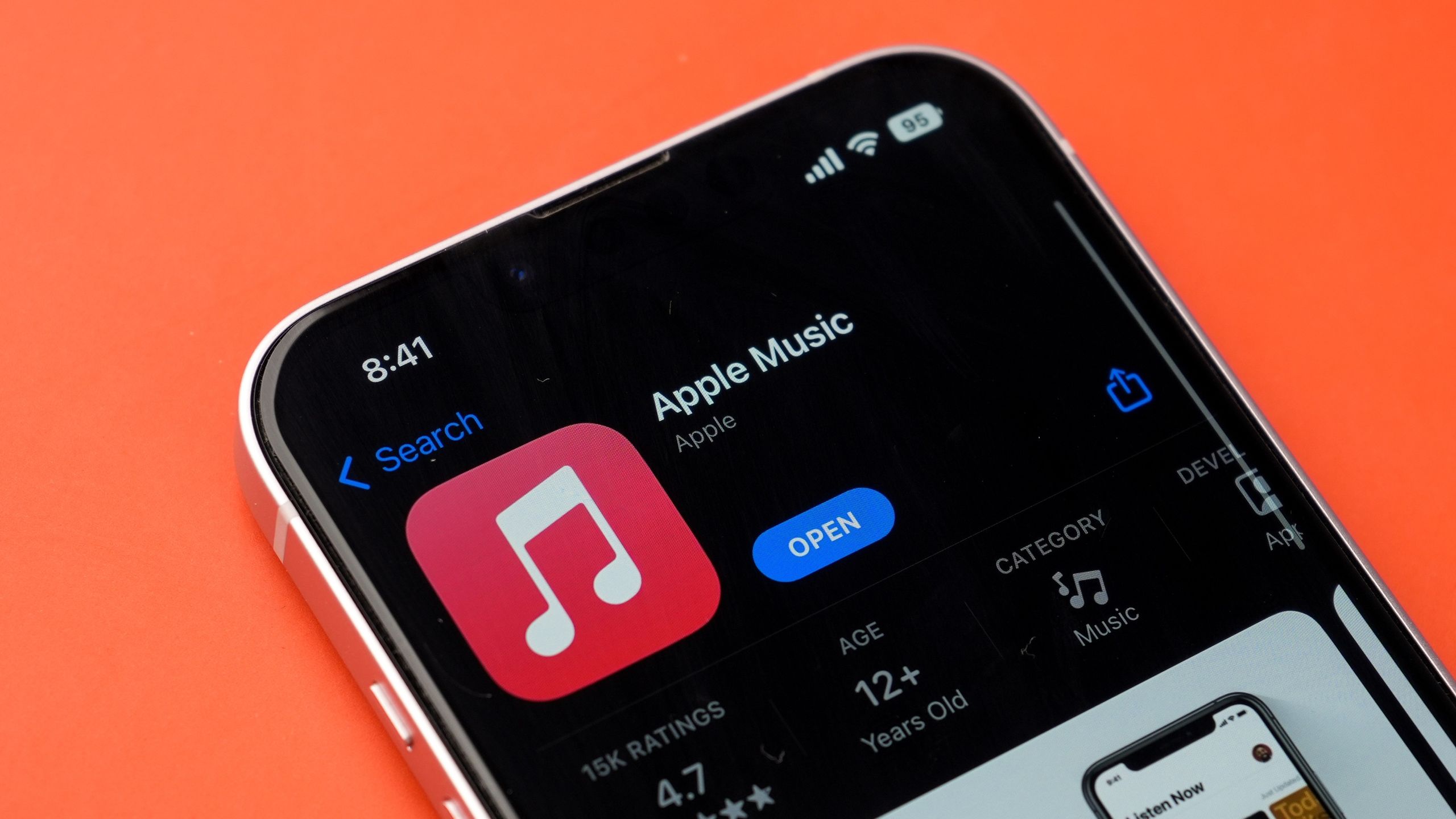
Developers have found code in an Apple Music Android beta that suggests Apple may be preparing multiple subscription tiers, possibly including a lower-cost or ad-supported option. Tipster Aaron Perris spotted strings such as “premium access required” and “Can’t skip any more tracks,” implying feature limits like those used by rivals’ free plans. The discovery was reported across outlets on May 29–30, 2026, weeks after Apple Music head Oliver Schusser publicly defended the service’s paid-only stance. Observers caution the strings could instead relate to radio or other limited experiences, but their presence in a beta build implies active testing. User reaction online shows concern about adverts and changes to Apple’s historically minimal-ad approach; Apple has recently expanded ads in other products such as Maps. Industry watchers note the timing ahead of Apple’s WWDC on June 8 as a possible moment for an announcement, though Apple has offered no confirmation.

Nvidia, Microsoft and Arm Tease N1X Laptops

🏷️ Tech News🌍 Taiwan🔥 Trending🔗 4 sources28Digest ScoreiThis score reflects the story's reliability, bias neutrality, and public momentum.
Nvidia, Microsoft and Arm Tease N1X Laptops

📰 Full Story

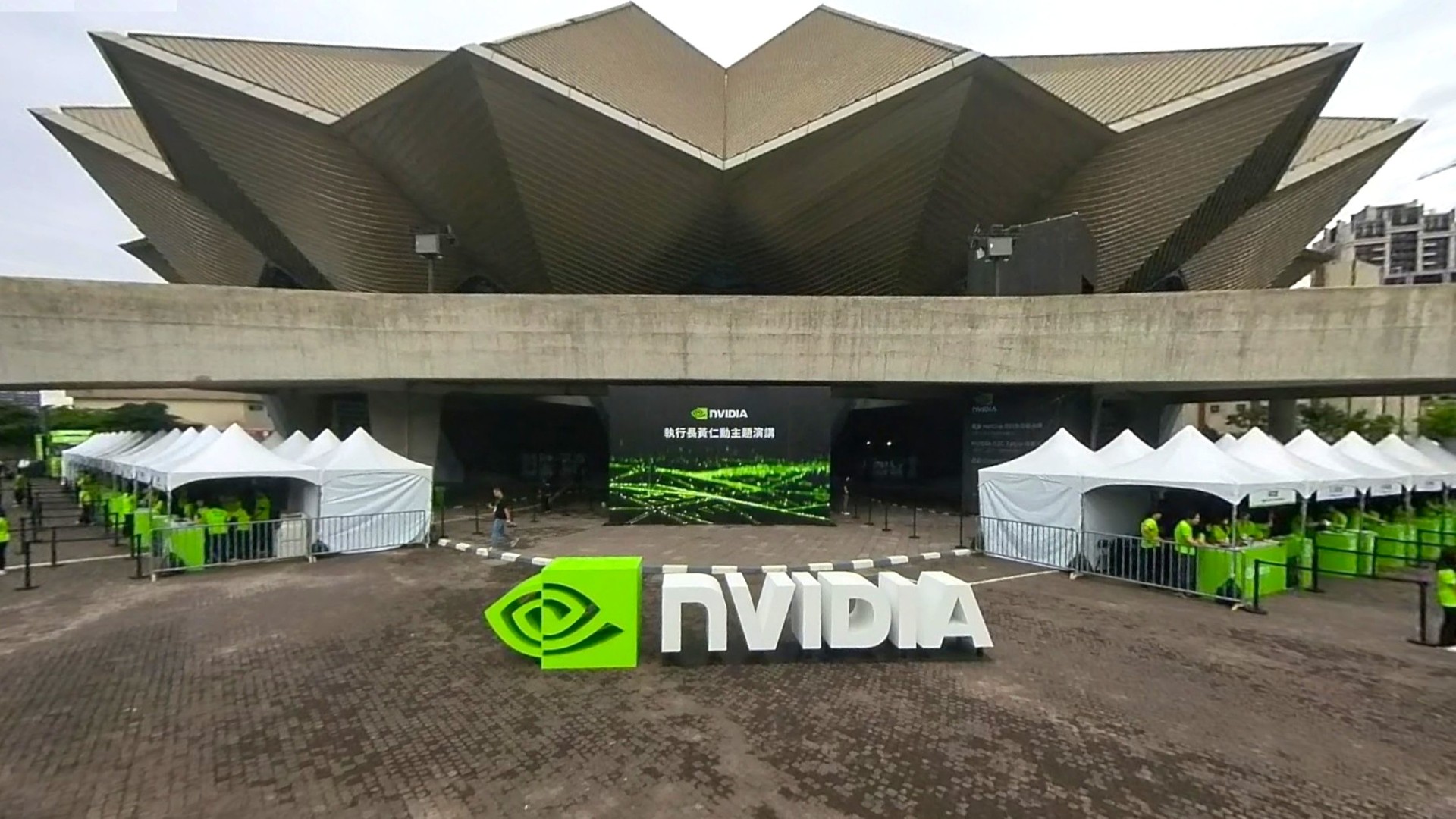
Nvidia, Microsoft and Arm have coordinated social posts pointing to a “new era of PC” ahead of Computex in Taipei, signalling an imminent reveal of Nvidia’s long-rumored Arm-based N1 and N1X laptop system-on-chips. The companies posted identical messages with coordinates for the Taipei Music Center, where Nvidia CEO Jensen Huang will keynote on June 1 (local time). Leaks and industry reporting describe the N1X as a 20-core Arm CPU paired with an onboard Blackwell GPU roughly comparable to an RTX 5070-class GPU, a unified memory architecture supporting up to 128GB of LPDDR5X, and TSMC 3nm manufacturing with MediaTek collaboration. OEMs including Dell and Lenovo are said to be testing systems. If N1/N1X ships as Windows-on-Arm platforms, Qualcomm’s effective exclusivity for Windows on Arm could end, broadening competition. Observers warn of x86 emulation limits, potential high prices and uncertain gaming performance despite strong local AI capabilities.
Explore more on NewsDigest