
📰 Full Story
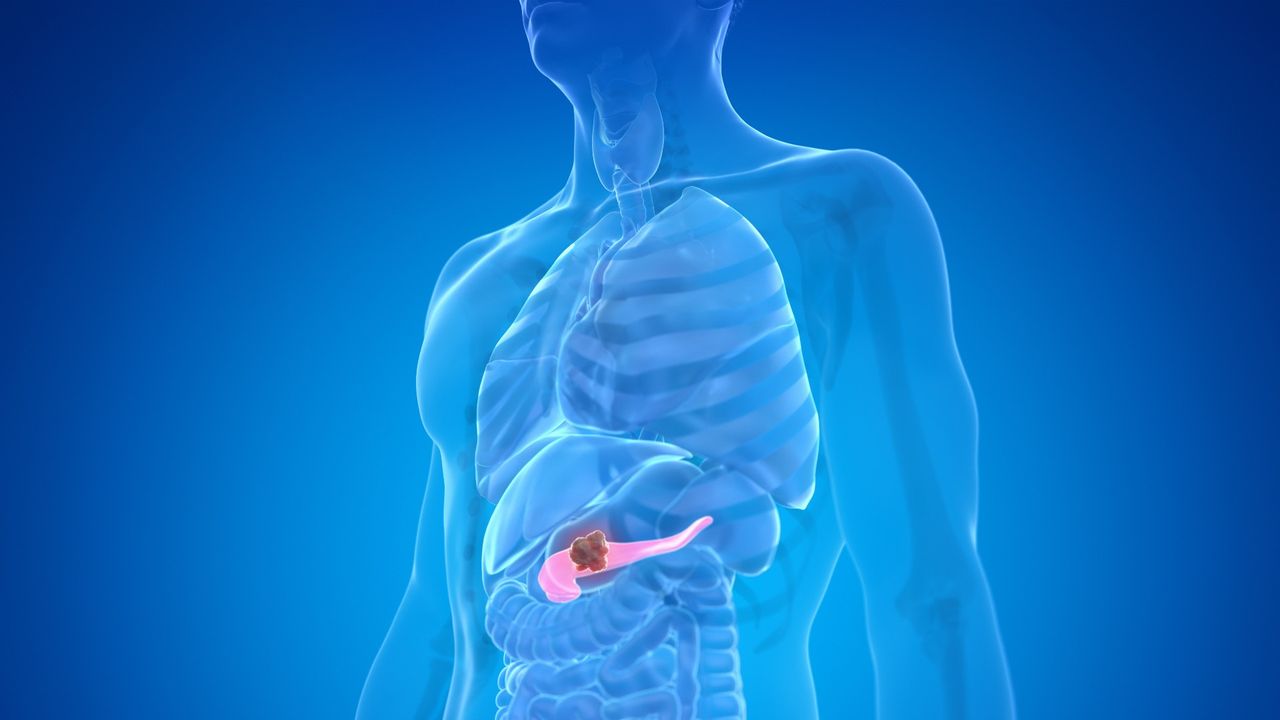
Mayo Clinic researchers have developed a radiomics-based AI, REDMOD, that can identify early, visually occult signs of pancreatic ductal adenocarcinoma on routine abdominal CT scans months to years before clinical diagnosis.
The study, published in Gut and reported May 7, 2026, tested the model on nearly 2,000 previously collected CTs (including independent validation sets) and found REDMOD achieved 73% sensitivity overall versus about 39% for radiologists, with a median lead time of roughly 475 days (about 16 months) and signal detection extending up to three years before diagnosis.
The algorithm converts CT data into 3D pancreatic models and extracts filtered radiomic features (AUC ~0.82) to flag subtle tissue changes.
Specificity was lower than human readers (about 81% vs 92%), underscoring false-positive risk.
Mayo Clinic has opened an initial U.S. feasibility trial enrolling 100 patients (ages 50–85) with plans to expand across sites and integrate eligibility screening through electronic health records for prospective validation and deployment in high-risk cohorts.
)




💬 Commentary