
NewsDigestFollow

Fatal bear attack in Glacier; hikers injured in Yellowstone

🏷️ Wildlife🌍 United States🔥 Trending🔗 13 sources30Digest ScoreiThis score reflects the story's reliability, bias neutrality, and public momentum.
Fatal bear attack in Glacier; hikers injured in Yellowstone

📰 Full Story

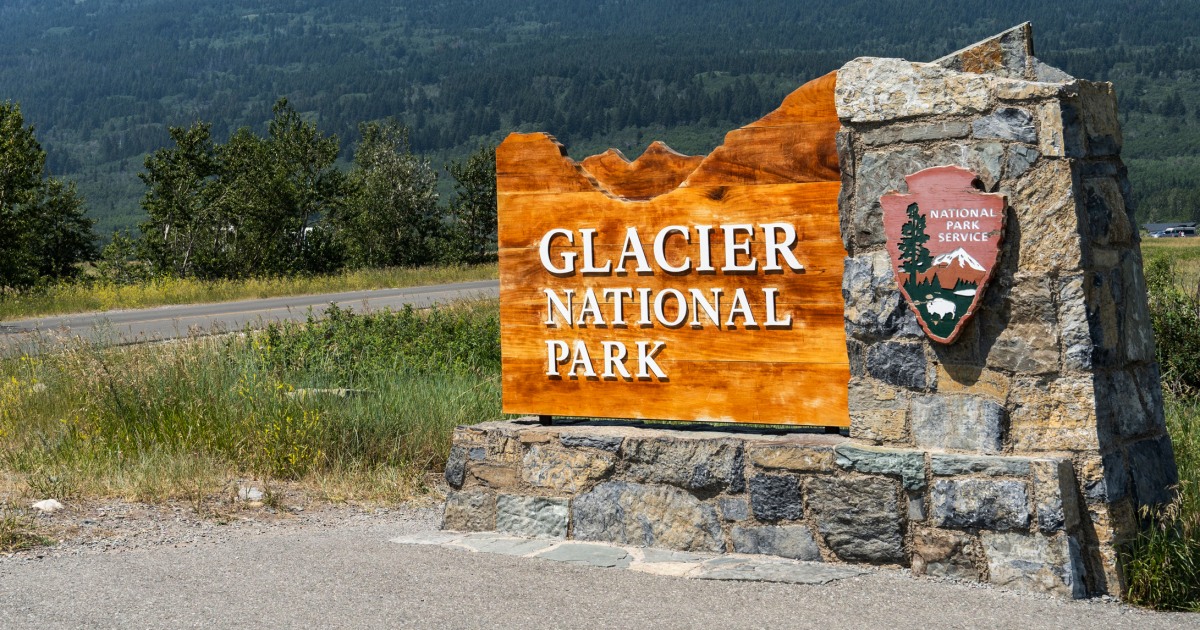
Park officials in Montana and Wyoming reported two separate bear encounters this week that have renewed scrutiny of human-wildlife conflict in US national parks. In Glacier National Park search-and-rescue crews found the remains of a 33-year-old hiker, identified by some outlets as Anthony Pollio of Fort Lauderdale, about 2.5 miles up the Mt. Brown Trail and roughly 50 feet off the path. The National Park Service said the victim’s injuries were “consistent with those sustained by a bear encounter,” and closed the trail while wildlife and law enforcement assess the area; Glacier has not recorded a fatal bear attack since 1998. Days earlier in Yellowstone National Park, two male hikers, ages 15 and 28, were seriously injured on the Mystic Falls Trail; park staff believe a female grizzly with two or three cubs was involved. Both were airlifted to hospital and nearby backcountry areas were closed pending investigation. Officials stressed that fatal and serious bear attacks remain uncommon but noted rising human-bear encounters as visitation, development near habitats and food attractants increase.

🕰️ The Story So Far: An Evolving Timeline

Saturday, May 9, 2026 06:16 UTC
Fatal bear attack in Glacier; Yellowstone hikers injured
Wednesday, May 6, 2026 02:29 UTC
Fatal bear attack in Glacier; hikers injured in Yellowstone
Humpback dies after private German rescue

🏷️ Wildlife🌍 Denmark🔗 4 sources2Digest ScoreiThis score reflects the story's reliability, bias neutrality, and public momentum.
Humpback dies after private German rescue

📰 Full Story

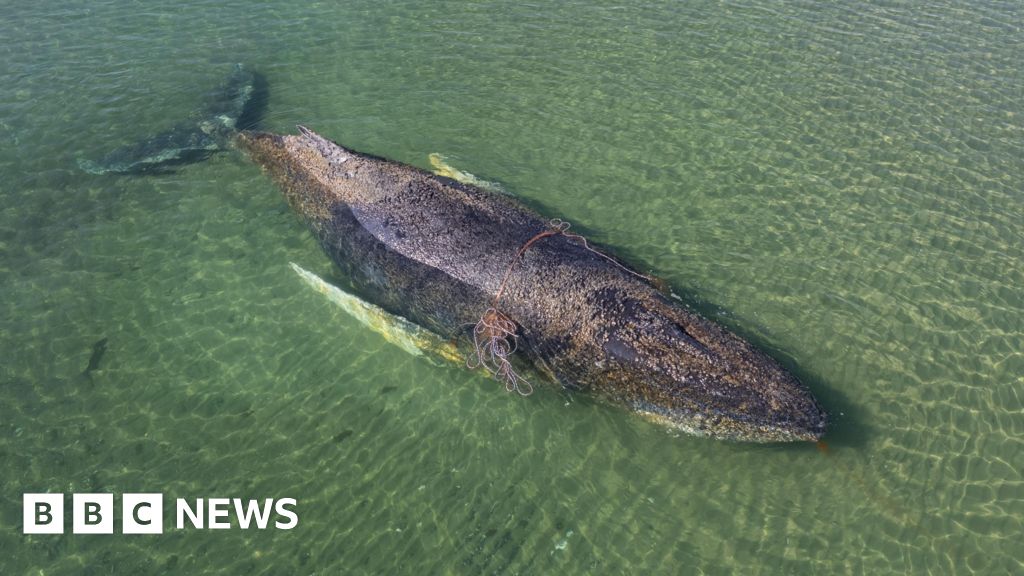
A humpback whale that was the focus of a high-profile private rescue in Germany has been found dead off the Danish island of Anholt, Danish authorities said. The animal was first reported stranded on a sandbank off Germany’s Baltic coast on 23 March and was later coaxed onto a water-filled barge and released into the North Sea in late April by two German entrepreneurs. A GPS tracker fitted during the private operation enabled officials to identify the carcass when it washed up near Anholt in mid-May. Denmark’s Environmental Protection Agency said teams attempted on 21-22 May to tow the bloated carcass about 57km to the port of Grenaa for a post-mortem and sampling, but the initial effort was paused after the whale became stranded on a sandbank. Authorities warned islanders to keep away because the decomposing animal may carry disease and build-up of internal gas risks explosion. German scientists and wildlife groups had earlier criticised the private rescue, saying the whale was weak and the intervention might worsen its condition. Danish officials plan further removal attempts and hope to recover the tracker and obtain scientific samples.

Denmark moves dead humpback 'Timmy' from Anholt

🏷️ Wildlife🌍 Denmark🔥 Trending🔗 9 sources0Digest ScoreiThis score reflects the story's reliability, bias neutrality, and public momentum.
Denmark moves dead humpback 'Timmy' from Anholt

📰 Full Story

Danish authorities have launched operations to remove a dead humpback whale, widely known in German media as “Timmy”, from waters off the island of Anholt after it was found in shallow water mid‑May. The animal was first spotted stranded on a sandbank on Germany’s Baltic coast on March 23 and was later placed on a water‑filled barge by private rescuers and released into the North Sea in early May. A GPS tracker fitted during the rescue linked the carcass to the earlier strandings. Danish teams attempted on May 21–22 to tow the swollen, decomposing carcass about 57km to the port of Grenaa for a post‑mortem and scientific sampling, but initial attempts were paused after the carcass became stuck on a sandbank. Authorities have warned the public to keep away because of infection risk and a danger of an explosion from internal gases. Officials say they aim to recover the tracker and perform a necropsy to determine cause of death and collect samples for research.

War in Iran Threatens Asiatic Cheetah Survival

🏷️ Wildlife🌍 Iran🔗 4 sources0Digest ScoreiThis score reflects the story's reliability, bias neutrality, and public momentum.
War in Iran Threatens Asiatic Cheetah Survival

📰 Full Story

The Asiatic cheetah (Acinonyx jubatus venaticus), the world’s most endangered big cat, faces sharply heightened extinction risk as the 2026 U.S.-Israeli campaign and related disruptions in Iran curtail conservation operations. Fewer than 30 individuals are estimated to remain in the wild, concentrated in northeastern provinces including North and South Khorasan; recent surveys counted about 27 animals, including a recorded female (Helia) with five cubs filmed before the conflict. Conservationists report field access and camera‑trap monitoring have “slowed down considerably,” while sanctions and import restrictions limit access to tracking and communications equipment. Reduced patrolling raises the risks of poaching, road collisions (which account for over half of recorded cheetah deaths) and habitat disturbance, and conservation vehicles could be misidentified as military targets in remote areas. The politicisation of scientific work — highlighted by past arrests of Iranian conservationists and their subsequent releases — and an expected reallocation of government funds to post‑war reconstruction could further drain resources for cheetah recovery programmes.
Explore more on NewsDigest