
📰 Full Story
A U.S.-brokered three-day ceasefire between Russia and Ukraine, announced by U.S. President Donald Trump and running from May 9-11, provided a temporary pause in large-scale strikes but quickly showed signs of strain.
The deal included a planned swap of 1,000 prisoners from each side and coincided with Russia’s Victory Day observances in Moscow.
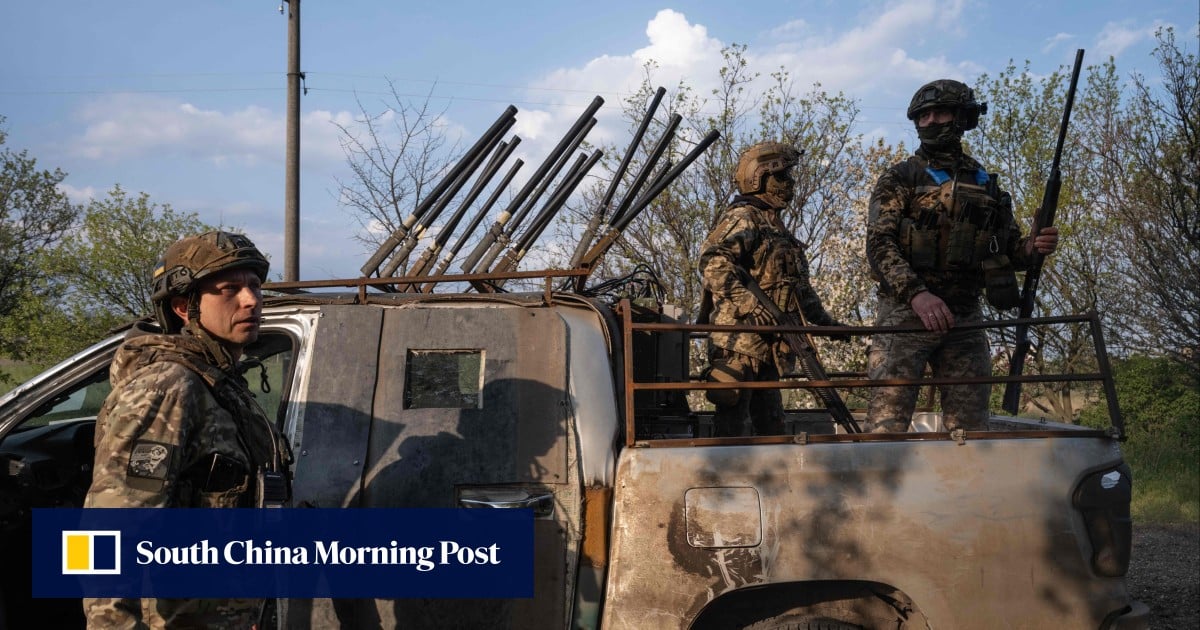
Kyiv and Moscow accused each other of violations: Ukrainian officials reported drone and artillery strikes that killed at least three people and wounded dozens across Zaporizhzhia, Kharkiv, Kherson and Dnipropetrovsk regions, while Ukraine’s General Staff logged around 147 front-line clashes and some outlets cited nearly 210.
Russia said it had shot down dozens of Ukrainian drones and accused Kyiv of more than 1,000 ceasefire breaches.
Moscow held a scaled-down Red Square parade under tight security; President Vladimir Putin said the conflict was “coming to an end” but Kremlin spokesmen warned that a lasting settlement remained complex.
U.S. envoys are expected to press talks in Moscow, but timing of any prisoner exchange and prospects for extension of the truce remain uncertain.
🔗 Based On
🤝 Social Media Insights
Social Summary
Independent operational analysis shows Russian advances have slowed and suffered net losses; simultaneous Ukrainian long-range strikes are eroding Russia’s infrastructure and air defenses. Combined military strain and economic damage increase political risk in Moscow and make a decisive Russian victory unlikely in the near term.





💬 Commentary