
📰 Full Story
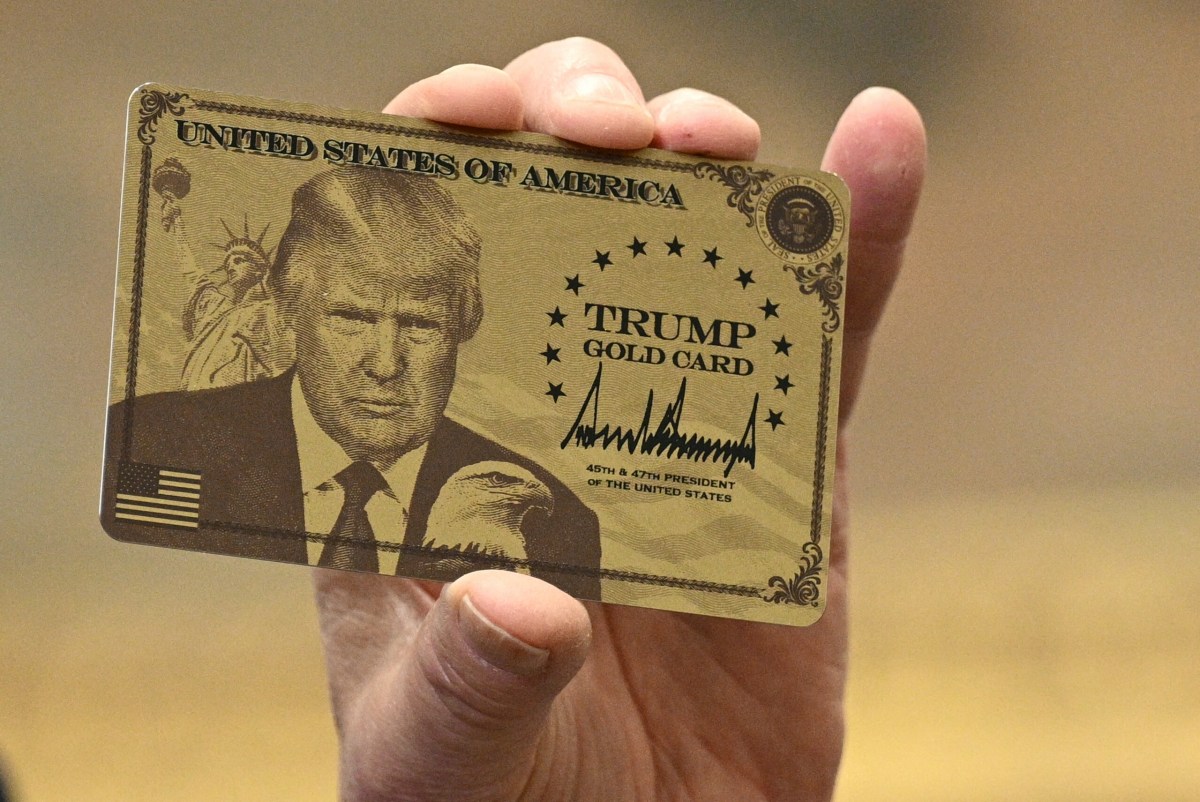
President Donald Trump’s high‑tier “Gold Card” visa has attracted just 338 formal applicants and only 165 who have paid the $15,000 processing fee, according to a Department of Homeland Security court filing disclosed in May 2026.
The program, introduced by the administration in 2025 and formally launched in December 2025, offers wealthy foreign nationals a pathway to U.S. residency in exchange for multimillion‑dollar payments (individual and corporate variants reported at roughly $1m–$5m or $2m per sponsored employee). DHS said gold‑card petitions “will not necessarily” be adjudicated faster than standard routes, contradicting earlier claims that the fee would buy expedited residency.
The initiative faces multiple legal challenges and a lawsuit seeking agency records, while prominent immigration attorneys have publicly advised wealthy clients to avoid the scheme because of legal uncertainty, tax implications and the lack of congressional codification.
Commerce officials earlier projected large revenue and tens of thousands of cards sold; DHS figures and litigation undercut those assertions.
The low uptake coincides with growing interest among ultra‑wealthy individuals in alternative residency and investment hubs such as Singapore and Dubai.
🔗 Based On
🤝 Social Media Insights
Social Summary
Cheaper existing investor visas and the wealthy’s limited need for US residency, combined with legal and tax uncertainties flagged by attorneys, explain weak demand for the Gold Card and increase the likelihood the program will fail to meet its sales and revenue forecasts.





💬 Commentary