NewsDigestFollow

EU agrees sanctions on Israeli settlers

🏷️ World News🌍 Belgium🔗 3 sources29Digest ScoreiThis score reflects the story's reliability, bias neutrality, and public momentum.
EU agrees sanctions on Israeli settlers

📰 Full Story

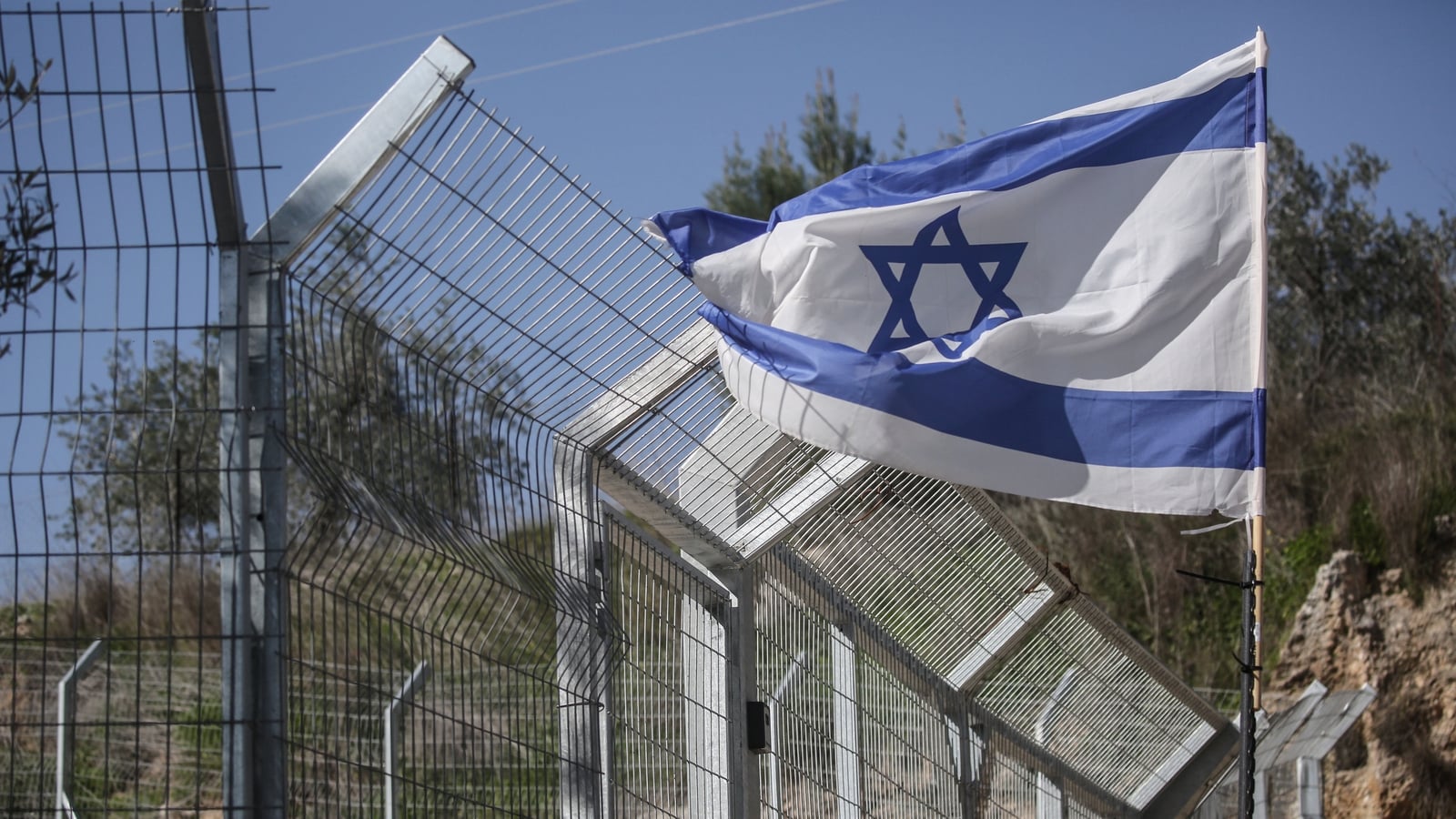
The European Union’s foreign ministers meeting in Brussels on May 11 approved a package to blacklist a number of extremist Israeli settlers involved in violence in the occupied West Bank, breaking a 21-month deadlock. Officials said seven settlers or settler organisations are to be blacklisted and that the bloc will also sanction some representatives of Hamas. The agreement follows a change in Hungary’s government — the swearing-in of Péter Magyar — which removed the veto that had blocked measures under Viktor Orbán. Brussels officials are also drawing up options to curb trade from illegal settlements, including an EU-wide import ban, steep tariffs or quotas, though such trade measures would require broader support and have not been agreed. Earlier proposals to sanction Israeli ministers were dropped amid opposition from some member states. Ireland, Spain, Slovenia and others pushed for tougher action, while Germany, Italy, the Czech Republic and Austria have been more cautious. The last EU sanctions targeting settlers were adopted in July 2024.

Talks intensify on US-Iran peace deal

🏷️ World News🌍 Iran🔗 231 sources81Digest ScoreiThis score reflects the story's reliability, bias neutrality, and public momentum.
Talks intensify on US-Iran peace deal

📰 Full Story

Diplomacy between the United States and Iran accelerated between May 23-26 as mediators reported progress toward a memorandum of understanding intended to extend a ceasefire, reopen the Strait of Hormuz and set a timetable for later negotiations on Iran’s nuclear programme. U.S. President Donald Trump said a framework was "largely negotiated" while warning negotiators not to rush; Secretary of State Marco Rubio said a "pretty solid" proposal could be imminent. Iranian spokespeople, however, cautioned that a final deal was not close. Reports describe a staged framework — formally ending active hostilities, resolving Hormuz access and launching a 30‑day window for broader talks — with potential elements including disposal or supervision of highly enriched uranium, lifting of some sanctions and release of frozen funds. Regional actors including Pakistan, Qatar and Gulf states have been engaged; Israel has sought assurances it may still act against threats in Lebanon. Markets reacted to the developments: oil and the dollar fell and Asian stocks rose. The diplomacy faces new strain after U.S. strikes were reported on southern Iranian targets on May 26, underlining the fragility of the process.

🤝 Social Media Insights

Social Summary
1 / 5
Key points: maritime law context matters — 12‑mile territorial limits can encompass the Strait of Hormuz — and military strikes amid talks sharply weaken trust in any negotiated framework, heightening the risk of deal collapse and market disruption; a commenter-correction shows some misinformation was self‑retracted.

US strikes hit Iran as talks on peace advance

🏷️ World News🌍 Iran🔗 193 sources79Digest ScoreiThis score reflects the story's reliability, bias neutrality, and public momentum.
US strikes hit Iran as talks on peace advance

📰 Full Story

U.S. forces carried out fresh strikes in southern Iran on May 25-26, targeting boats alleged to be laying mines and missile launch sites, with U.S. Central Command saying the actions were defensive and intended to protect troops. The strikes coincided with high-level Iranian envoys — including Iran’s top negotiator and foreign minister — holding talks in Doha with Qatari and Pakistani mediators on a memorandum of understanding with Washington to end the three‑month war. The proposed framework reportedly would include a 60‑day ceasefire extension, steps to reopen the Strait of Hormuz (potentially within 30 days), and a time‑limited process to address Iran’s enriched uranium and sanctions relief. President Donald Trump described the draft deal as “largely negotiated” but later urged negotiators not to rush, while U.S. Secretary of State Marco Rubio said a “pretty solid” proposal was on the table. Iranian officials cautioned that a final agreement was not imminent and said they had downed a stealth drone. Israel, meanwhile, has signalled it will continue operations against Hezbollah in Lebanon. Energy markets and shipping routes reacted to the shifting prospects for a deal and the risk of renewed hostilities.

🤝 Social Media Insights

Social Summary
1 / 5
Key takeaway: structural realities — separate Iranian military branches and ongoing operational activity — undermine a negotiated pause, while markets focus on shipping flows and macro data rather than single announcements, keeping the deal and prices fragile.

U.S. and Iran Near Framework to Reopen Hormuz

🏷️ World News🌍 Qatar🔥 Trending🔗 220 sources58Digest ScoreiThis score reflects the story's reliability, bias neutrality, and public momentum.
U.S. and Iran Near Framework to Reopen Hormuz

📰 Full Story

Top Iranian negotiators and the foreign minister met Qatar’s prime minister in Doha on May 25 as mediators pressed for a memorandum of understanding that could end nearly three months of war and reopen the Strait of Hormuz, an official briefed on the visit said. Discussions focused on reopening the strait, Tehran’s stockpile of highly enriched uranium, and the possible release of frozen Iranian funds; Iran’s central bank governor attended parts of the talks. U.S. President Donald Trump and aides have described a draft as “largely negotiated” but urged patience, while Secretary of State Marco Rubio said diplomacy would get every chance before other options are considered. Iran and U.S. officials cautioned a deal was not imminent. Pakistan’s mediators reported “encouraging” progress; Israeli leaders warned Israel must retain freedom to act against regional threats. Markets responded to the prospect of a deal: oil and the dollar fell, gold and equities rose, and traders recalibrated rate expectations amid concerns about inflation and global energy supply.

US Conducts Self-Defense Strikes in Iran

🏷️ World News🌍 Iran🔗 12 sources53Digest ScoreiThis score reflects the story's reliability, bias neutrality, and public momentum.
US Conducts Self-Defense Strikes in Iran

📰 Full Story

On May 25, 2026 U.S. Central Command said American forces carried out strikes in southern Iran targeting missile launch sites and Iranian boats reported to be attempting to emplace naval mines near the Strait of Hormuz. CENTCOM spokesman Capt. Tim Hawkins described the actions as “self‑defense” taken to protect U.S. troops and said forces were exercising restraint during the ongoing ceasefire that began in April. Explosions were reported in Bandar Abbas and nearby coastal towns including Sirik and Jask; Iran’s state media later said the situation in Bandar Abbas was under control and provided limited official comment. The strikes occurred as Iranian negotiators were in Doha for talks with U.S. counterparts and came amid public remarks by U.S. President Donald Trump about enriched uranium and broader regional concessions, including urging Arab states to sign the Abraham Accords. Details on damage, casualties and Iran’s operational response were not immediately clear, and both sides framed the strikes as compatible with continuing diplomacy.

🤝 Social Media Insights

Social Summary
1 / 5
Discussion centers on market behavior around diplomatic news: institutional after-hours trading and rumor-driven strategies can create rapid, outsized price moves, but commenters did not supply verified factual challenges to the reported strikes.

California averts catastrophic chemical tank explosion

🏷️ World News🌍 United States🔥 Trending🔗 45 sources51Digest ScoreiThis score reflects the story's reliability, bias neutrality, and public momentum.
California averts catastrophic chemical tank explosion

📰 Full Story

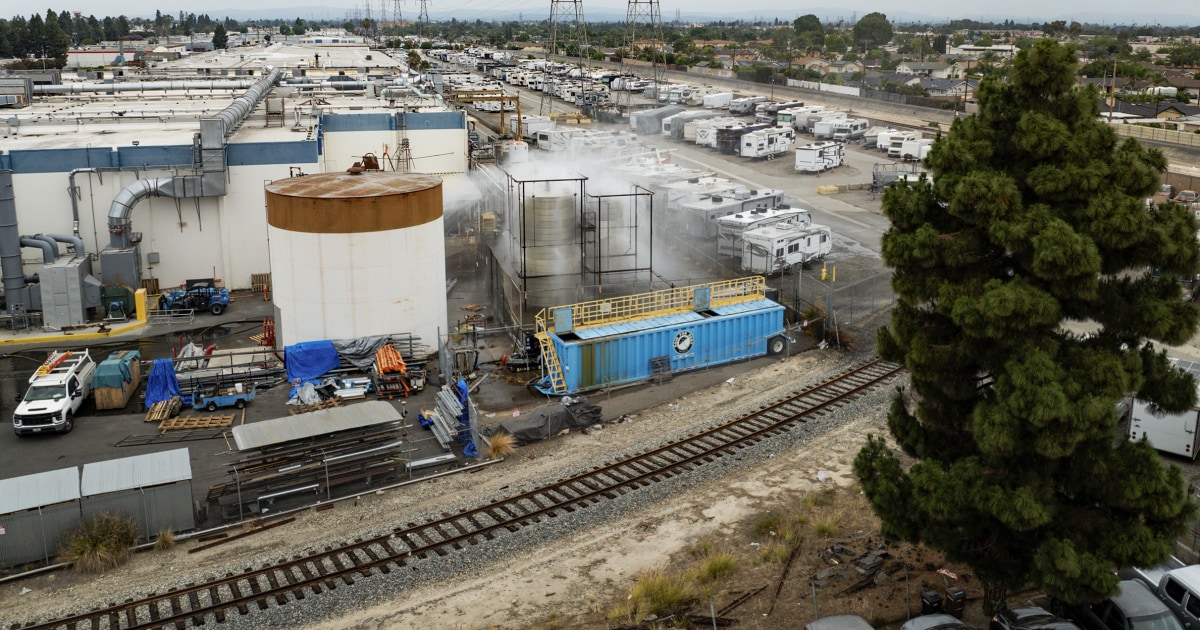
Emergency crews in Garden Grove, California, have averted the immediate threat of a catastrophic explosion after a 7,000‑gallon tank of methyl methacrylate at a GKN Aerospace facility overheated and began venting vapors last week. The incident, which began May 22–23 after a refrigeration valve malfunction, prompted evacuation orders covering tens of thousands of residents; evacuation zones later were reduced as conditions improved. Fire officials and specialist teams found a crack that appears to have relieved internal pressure and cooled the tank; internal temperatures peaked at about 100°F before falling to the low 90s. Crews repeatedly sprayed the tank, set up containment barriers and prepared dikes and holding areas in case of a spill. Federal and state agencies including FEMA and the EPA have provided monitoring and support; air monitors deployed around the site have not detected hazardous concentrations. No injuries have been reported. Authorities have declared a state emergency for Orange County, the Orange County district attorney opened an investigation, and residents have filed class‑action suits against GKN.
Explore more on NewsDigest