
NewsDigestFollow

TSMC rally lifts Taiwan above India in market value

🏷️ Finance & Economics🔗 4 sources40Digest ScoreiThis score reflects the story's reliability, bias neutrality, and public momentum.
TSMC rally lifts Taiwan above India in market value

📰 Full Story

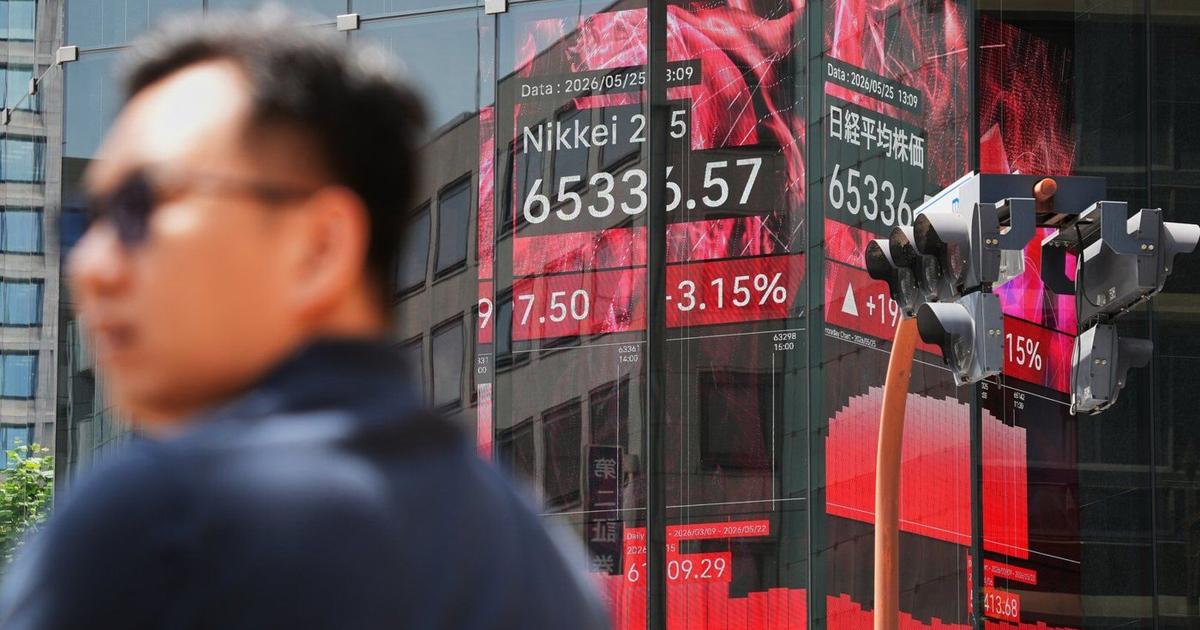
Taiwan’s stock market surged past India to become the world’s fifth-largest by market capitalisation as of May 25, 2026, driven overwhelmingly by a breakneck rally in Taiwan Semiconductor Manufacturing Co. (TSMC). Bloomberg data showed Taiwan’s market value at about $4.95 trillion versus India’s $4.92 trillion. TSMC now accounts for roughly 42% of the benchmark index and its shares have climbed about 49% this year amid strong demand from the AI chip cycle. Regulatory changes in April allowing domestic funds to hold up to 25% of net assets in a single stock (up from 10%) have further supported flows; JPMorgan estimates the rule change could attract over $6 billion. By contrast, Indian equities have seen nearly $24 billion of foreign sales this year, the benchmark down about 8% and India’s weight in MSCI indexes falling to roughly 12% from 19%. Structural factors cited include AI-driven capital concentration in hardware hubs and headwinds for India from rising energy costs and slowing earnings.
Markets wobble as oil falls on Iran peace hopes

🏷️ Finance & Economics🌍 Iran🔥 Trending🔗 44 sources91Digest ScoreiThis score reflects the story's reliability, bias neutrality, and public momentum.
Markets wobble as oil falls on Iran peace hopes

📰 Full Story

Global markets swung on May 25-26, 2026 as investor optimism that the United States and Iran may reach a memorandum to reopen the Strait of Hormuz pushed Brent crude below $100 a barrel and sent risk assets higher, while fresh U.S. strikes in southern Iran briefly reversed gains. Reports said Iranian negotiators were in Doha for talks and U.S. officials described negotiations as progressing, though both Washington and Tehran cautioned that key issues remain unresolved. Brent traded around $97–98 a barrel and U.S. WTI near the low $90s after multi‑percent intraday moves; the dollar eased against major peers but later steadied amid safe‑haven flows, with the dollar/yen near 159. Markets treated the headlines as reducing the extreme tail risk around energy, yet analysts warned that normalising flows through Hormuz and repairing damaged facilities will take months, keeping inflation and central‑bank rate concerns intact. Oil‑related supply dynamics lifted U.S. rig counts, while Asian and European equity moves were mixed as traders parsed sporadic diplomatic and military developments.

India raises petrol, diesel and CNG prices

🏷️ Finance & Economics🌍 India🔗 13 sources51Digest ScoreiThis score reflects the story's reliability, bias neutrality, and public momentum.
India raises petrol, diesel and CNG prices

📰 Full Story

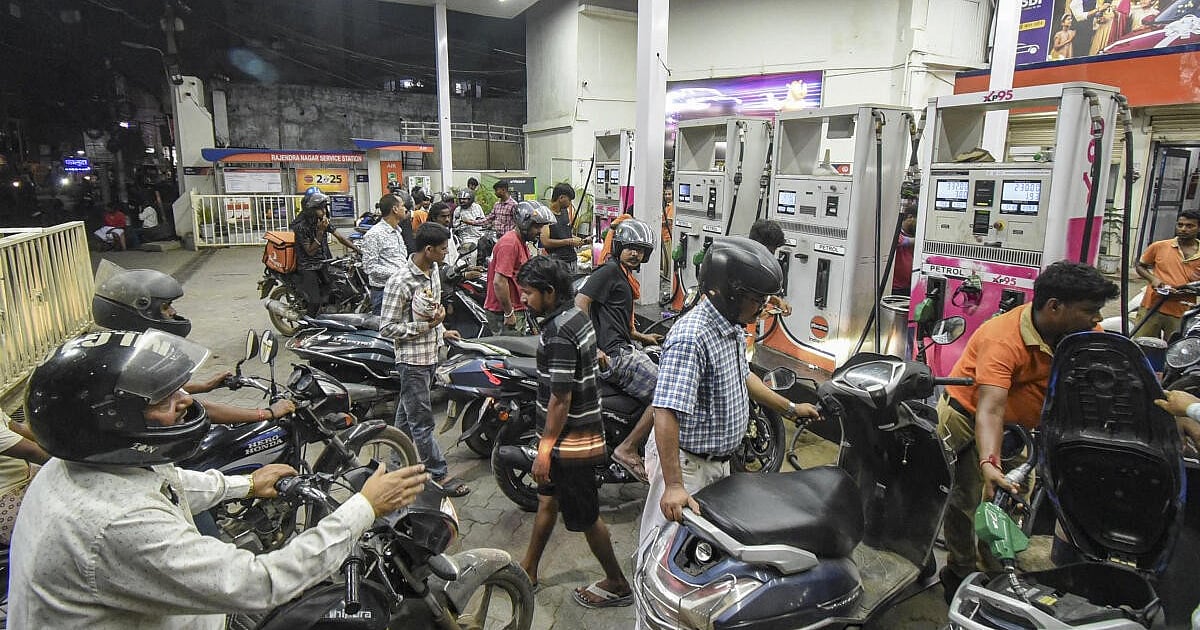
India’s state-owned fuel retailers raised petrol and diesel pump prices for the fourth time since mid-May, and city gas distributors increased compressed natural gas (CNG) rates, as companies passed on higher global energy costs driven by the Iran war and supply disruptions around the Strait of Hormuz. On May 25 state oil firms raised petrol by ₹2.61 per litre and diesel by ₹2.71 per litre; petrol in New Delhi rose to ₹102.12/litre and diesel to ₹95.20/litre, after cumulative increases since May 15 of about 7.8% for petrol and 8.6% for diesel, Reuters reported. On May 26 distributors including Indraprastha Gas implemented a fourth CNG hike in under two weeks, taking Delhi CNG to ₹83.09 per kg. The repeated revisions have driven short-term spikes in city gas and oil marketing stocks (Indraprastha Gas, Mahanagar Gas, Adani Total Gas and ONGC saw gains) and prompted concerns about higher commuting costs, rising logistics bills and inflationary pressure across India.

Tata Sons board meets amid governance tensions

🏷️ Finance & Economics🌍 India🔗 4 sources33Digest ScoreiThis score reflects the story's reliability, bias neutrality, and public momentum.
Tata Sons board meets amid governance tensions

📰 Full Story

Tata Sons convened its board on May 26, 2026, for a closely watched meeting dominated by concerns over loss-making new businesses and an intensifying governance debate. Reports from May 25–26 say individual group companies — notably Tata Digital, Air India and the group's electronics ventures — were to make presentations on performance and turnaround plans after unlisted units reported combined losses of ₹10,905 crore in FY25, a figure media estimates may widen to about ₹29,000 crore for the following year. The meeting sits against a backdrop of visible friction between Tata Trusts’ leadership and chairman N. Chandrasekaran: Noel Tata has expressed worries about mounting losses and is said to be reluctant to take Tata Sons public, while other trustees reportedly favour a listing. Regulatory pressure stems from the RBI’s classification of Tata Sons as an upper-layer NBFC and a subsequent “look-through” approach that strengthens the case for mandatory listing. Corporate governance advisory InGovern has urged a market listing to improve transparency. Reports differ on whether Chandrasekaran’s reappointment would be formally addressed, but the session is widely seen as a test of the group’s power balance and strategy.

Campus Activewear Q4: Revenue and PAT Surge

🏷️ Finance & Economics🌍 India🔗 3 sources32Digest ScoreiThis score reflects the story's reliability, bias neutrality, and public momentum.
Campus Activewear Q4: Revenue and PAT Surge

📰 Full Story

Campus Activewear reported a strong Q4 FY26 performance, with revenue from operations rising 12.3% year‑on‑year to ₹455.6 crore and profit after tax jumping 25.8% to ₹44.1 crore. EBITDA increased to ₹88.5 crore, lifting the EBITDA margin to 19.2% from 18.7% a year earlier. For the full year, revenue grew 11.4% to ₹1,774.1 crore and PAT rose 23.8% to ₹150.1 crore; FY26 EBITDA stood at ₹314.7 crore with a 17.5% margin. Sales volumes in Q4 were 6.8 million pairs (up 10.6% YoY) and FY26 volumes reached about 26 million pairs, while average selling price (ASP) increased modestly to ₹668 in Q4 and to ₹683 for the year. Management highlighted robust online growth, a successful brand refresh and rapid new‑SKU launches, and said integrated manufacturing capacity can be scaled to support sneakers demand. Brokers reacted positively: shares jumped in intraday trade and houses including Motilal Oswal and Elara retained buy ratings with revised target prices. Headwinds cited include raw material inflation, GT charge accounting impacts on online ASP and slightly higher inventory days, which could affect near‑term margin visibility.
Explore more on NewsDigest