
📰 Full Story
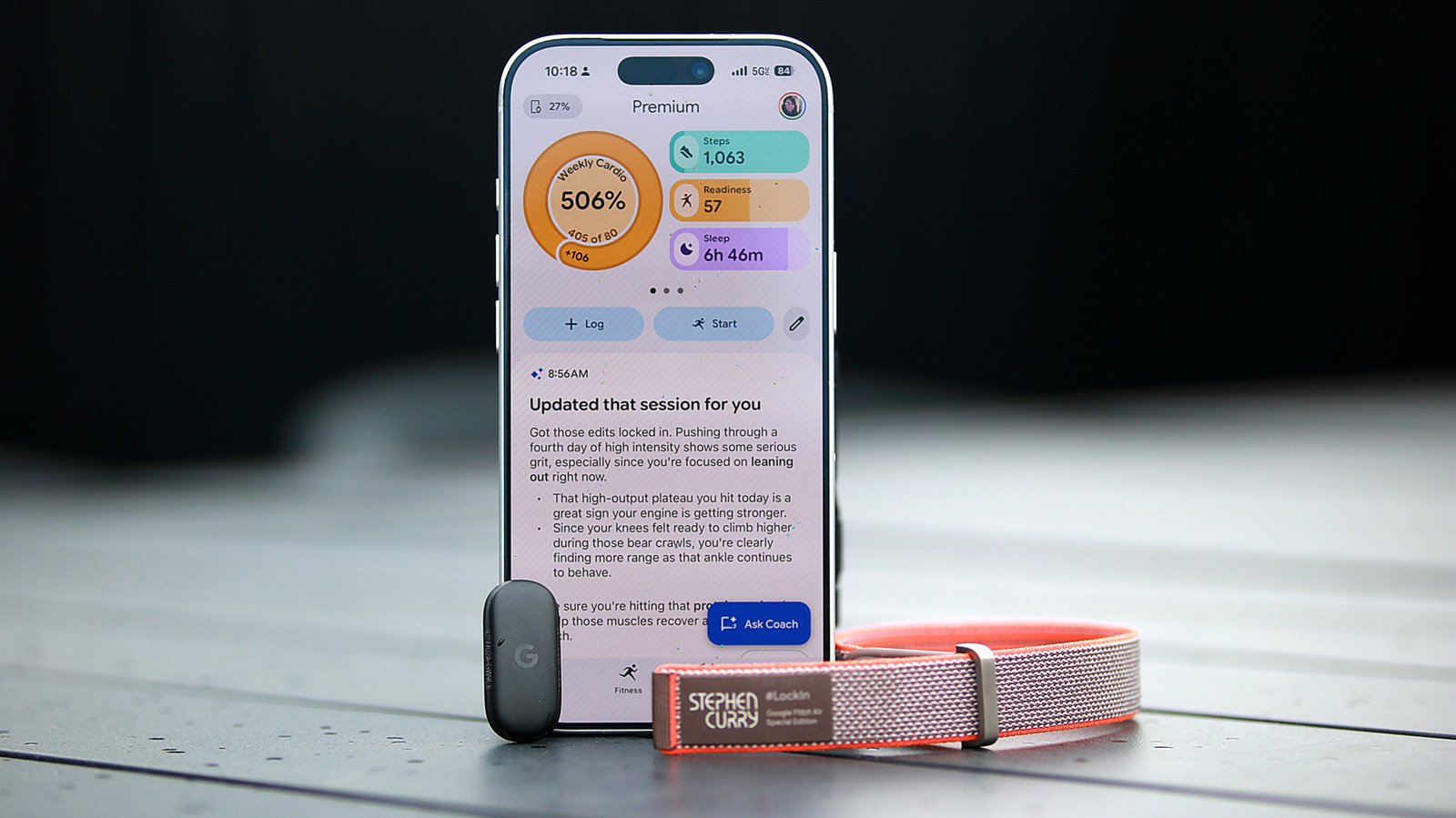
Google in late May 2026 introduced the Fitbit Air, a screenless, pebble‑style fitness tracker designed to be ultra‑light and unobtrusive.
Weighing roughly 12 grams with the band and lasting about a week on a charge, the Air pairs with the new Google Health app and channels most interaction into an AI Health Coach powered by Gemini.
Basic metrics — heart rate, HRV, sleep, steps, SpO2 and activity logging — are available without a subscription; an optional Google Health Premium tier (reported around $10/month) adds 24/7 AI coaching, deeper sleep insights and other personalised features.
The device is sold with swappable bands and targets users who prefer passive, always‑on tracking rather than a smartwatch experience.
Reviewers note strong comfort and simplified tracking, but debate trade‑offs such as battery runtime versus rivals and the implications of routing sensitive health data through Google’s ecosystem.
The launch positions Fitbit Air as a direct competitor to subscription‑driven, screenless players like Whoop and other emerging wearables.





💬 Commentary