
📰 Full Story
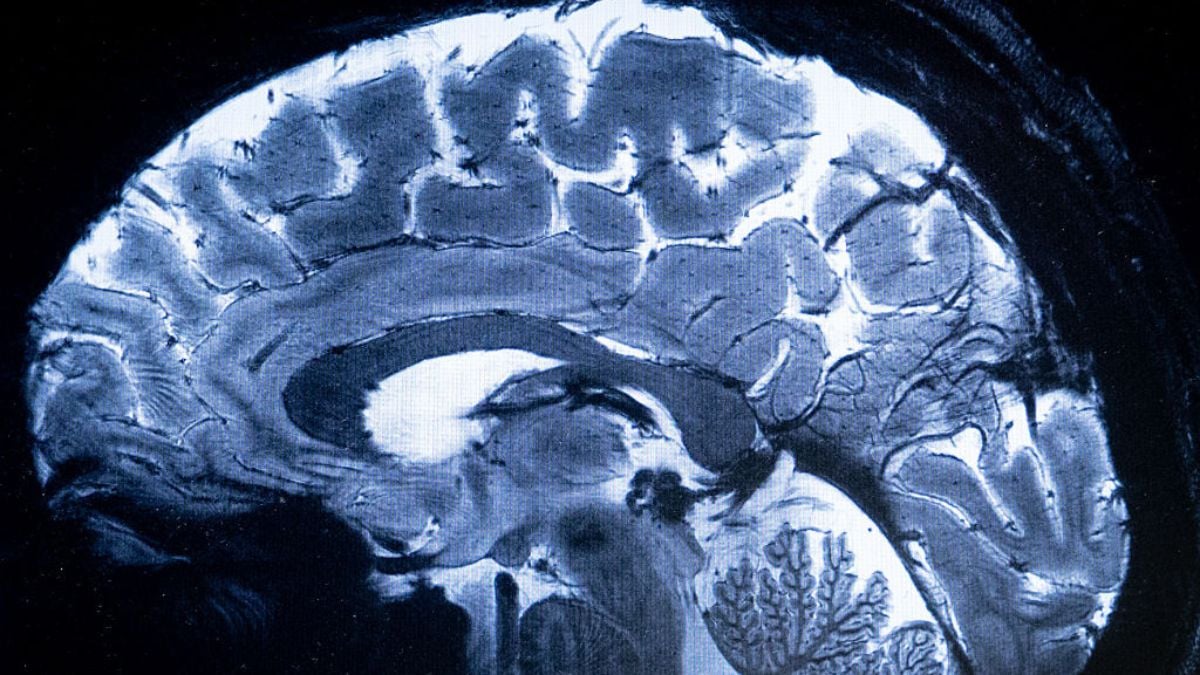
Researchers at the Icahn School of Medicine at Mount Sinai report direct evidence that deep brain stimulation (DBS) can remodel white matter pathways and shift large-scale brain networks linked to depression.
Published June 1 in Nature Neuroscience, the non-human primate study delivered DBS to white-matter tracts adjacent to the subcallosal anterior cingulate cortex (SCC). Investigators observed increased fractional anisotropy in the cingulum bundle, a rise in myelinated oligodendrocytes and greater myelination, and widespread changes in functional connectivity—most notably within the default mode network implicated in rumination and depressive symptoms.
The work suggests DBS’s therapeutic benefits may stem not only from short-term electrical modulation but from longer-term structural plasticity.
Mount Sinai teams are now probing whether similar white-matter remodeling occurs in human DBS patients and exploring how findings might inform optimized stimulation protocols or non-surgical therapies for treatment-resistant depression and other neuropsychiatric disorders.




💬 Commentary