NewsDigestFollow

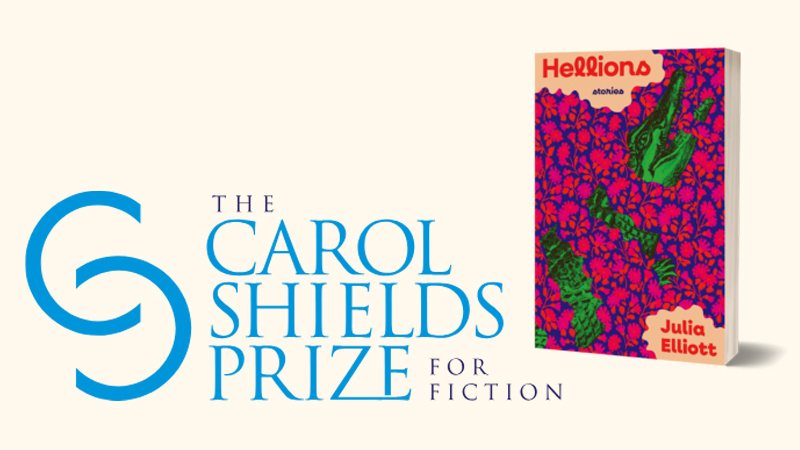
Julia Elliott wins Carol Shields Prize for Fiction

đŸ·ïž Books & Literature🌍 CanadađŸ”„ Trending🔗 3 sources31Digest ScoreiThis score reflects the story's reliability, bias neutrality, and public momentum.
Julia Elliott wins Carol Shields Prize for Fiction

📰 Full Story

Julia Elliott has been awarded the 2026 Carol Shields Prize for Fiction, taking the US$150,000 top prize for her short-story collection Hellions. The winner was announced at a ceremony in Toronto; the prize is aimed at women and non-binary authors with books published in Canada and the United States and is billed as the world’s largest award of its kind. Elliott, a South Carolina writer and University of South Carolina instructor, published Hellions with Tin House in 2025. The collection mixes Southern Gothic, surrealism, folklore and elements of horror and fairy tale — qualities the jury, chaired by Carmen Maria Machado, praised for their control and formal daring. Four finalists — Quiara Alegría Hudes (The White Hot), Lee Lai (Cannon), Megha Majumdar (A Guardian and a Thief) and Sonya Walger (Lion) — each receive $12,500; the prize also includes a five-night stay at Fogo Island Inn for the winner. The award follows Canisia Lubrin’s 2025 win and continues the prize’s emphasis on amplifying diverse voices in North American letters.

Maggie O'Farrell's Land revisits Ireland's past

đŸ·ïž Books & Literature🔗 3 sources4Digest ScoreiThis score reflects the story's reliability, bias neutrality, and public momentum.
Maggie O'Farrell's Land revisits Ireland's past

📰 Full Story

Maggie O’Farrell’s new novel Land, reviewed across outlets on June 1–2, 2026, is an expansive historical fable that returns to post‑Famine Ireland through the eyes of Tomás, a skilled nineteenth‑century mapmaker employed by the Ordnance Survey. Set from a windswept Irish peninsula and moving through Dublin, Rome, Quebec and Kerala, the story threads family drama, local folklore and colonial cartography: Tomás seeks to record the ravages of the Great Hunger on official maps while a mysterious sacred copse and its well alter his outlook. Reviewers praise O’Farrell’s world‑building and tonal range — blending realism with mythic elements such as talking animals, changelings and a farseeing dog — while noting a dense, episodic structure and relatively little rendered dialogue. Critics also point out the book’s recurring themes: memory, the politics of place‑naming, cultural erasure after the 1840s famine, and the responsibility of storytellers. Rights to adapt the novel have already drawn industry interest, following the success of O’Farrell’s earlier work adapted for film and TV.

Helen Phillips wins Climate Fiction Prize for Hum

đŸ·ïž Books & Literature🌍 United Kingdom🔗 3 sources0Digest ScoreiThis score reflects the story's reliability, bias neutrality, and public momentum.
Helen Phillips wins Climate Fiction Prize for Hum

📰 Full Story

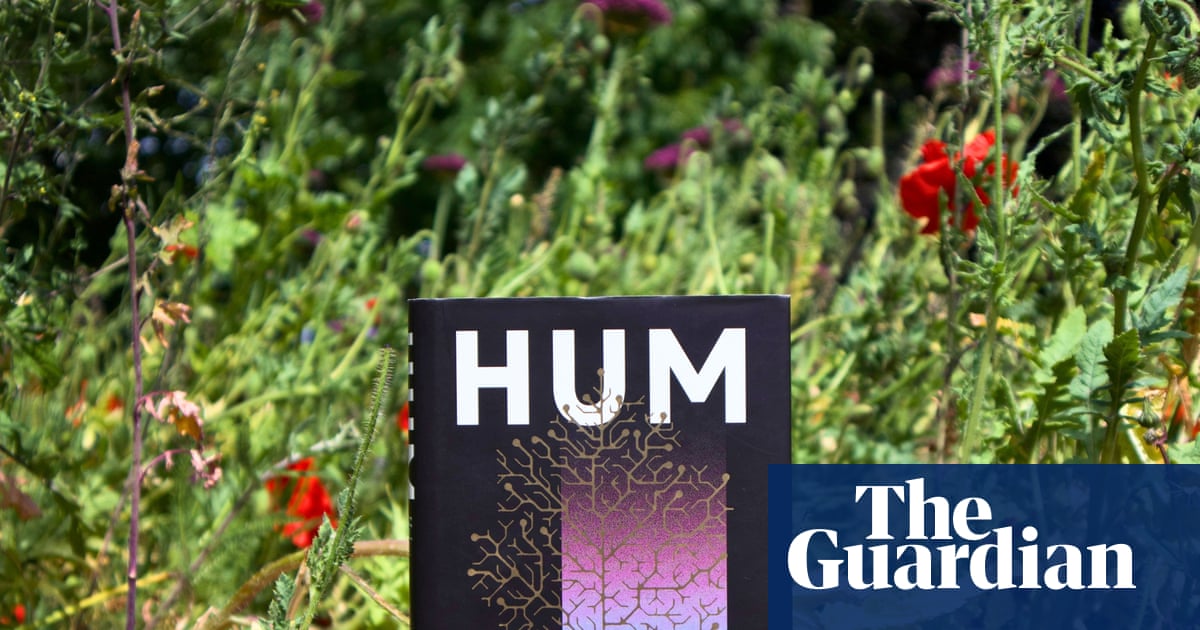
Helen Phillips’s third novel Hum has won the 2026 Climate Fiction Prize, backed by UK funder Climate Spring and carrying a ÂŁ10,000 award, organisers and media reported on 27-28 May. The American author’s near‑future story follows May, who loses her job to a humanoid ‘hum’, becomes the subject of an experimental facial‑altering injection to evade surveillance, and spends a windfall on family passes to the city’s last Botanical Garden, a setting that highlights the book’s critique of the commodification of nature. Judges praised Hum for addressing privilege and the “Disneyfication” of green spaces, and noted its interrogation of surveillance, AI and consumer culture. The shortlist included works by Susanna Kwan, Maria Reva, Madeleine Thien, Robbie Arnott and others; last year’s prize went to Abi DarĂ©. Phillips is due to discuss the book at the Hay festival at the end of May. Coverage in the Guardian and New Scientist emphasised the novel’s climate engagement and its blending of speculative technology with environmental and social themes.

đŸ€ Social Media Insights

Social Summary
1 / 5
Readers clarify that 'Disneyfication' is a real sociological concept but largely interpret Hum as a critique of AI, surveillance and the monetization of nature; they see the novel as potentially prophetic, and one reader flagged a possible typo in a sold edition.
Explore more on NewsDigest