
)
📰 Full Story
U.S.-brokered talks in Washington led Israel and Lebanon on June 3-4 to agree to implement a ceasefire contingent on Hezbollah’s complete cessation of fire and the evacuation of its operatives from the South Litani sector, officials said.
The package includes U.S.-guided “pilot zones” where the Lebanese Armed Forces would assume exclusive control; political and security talks are due to resume the week of June 22 to seek a comprehensive accord.
The announcement came as the wider U.S.-Israel war with Iran continued to roil the Gulf: Iranian drone and missile strikes damaged Kuwait International Airport, killing one person and injuring more than 60, while U.S. forces launched strikes near the Strait of Hormuz, including on Qeshm Island.
U.S. Central Command said it disabled the Botswana-flagged tanker M/T Lexie with a Hellfire missile as part of a blockade.
Hostilities have periodically flared despite an April ceasefire, with Israeli drone strikes killing at least six people in southern Lebanon and cross-border exchanges testing the truce.
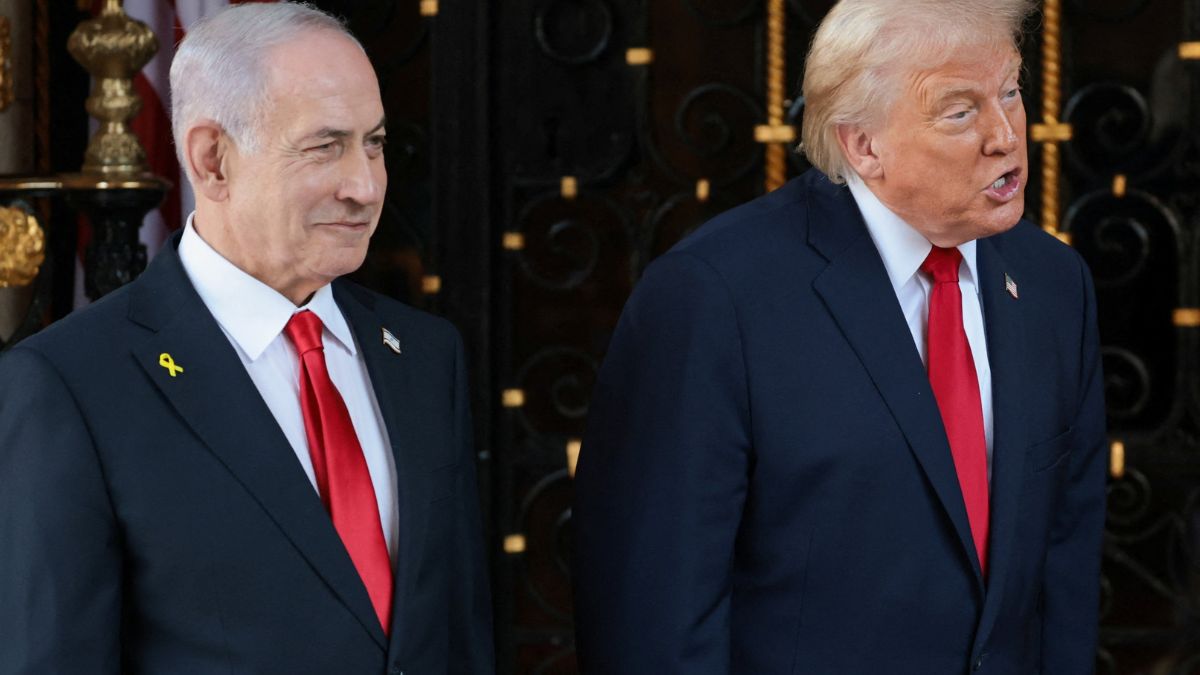
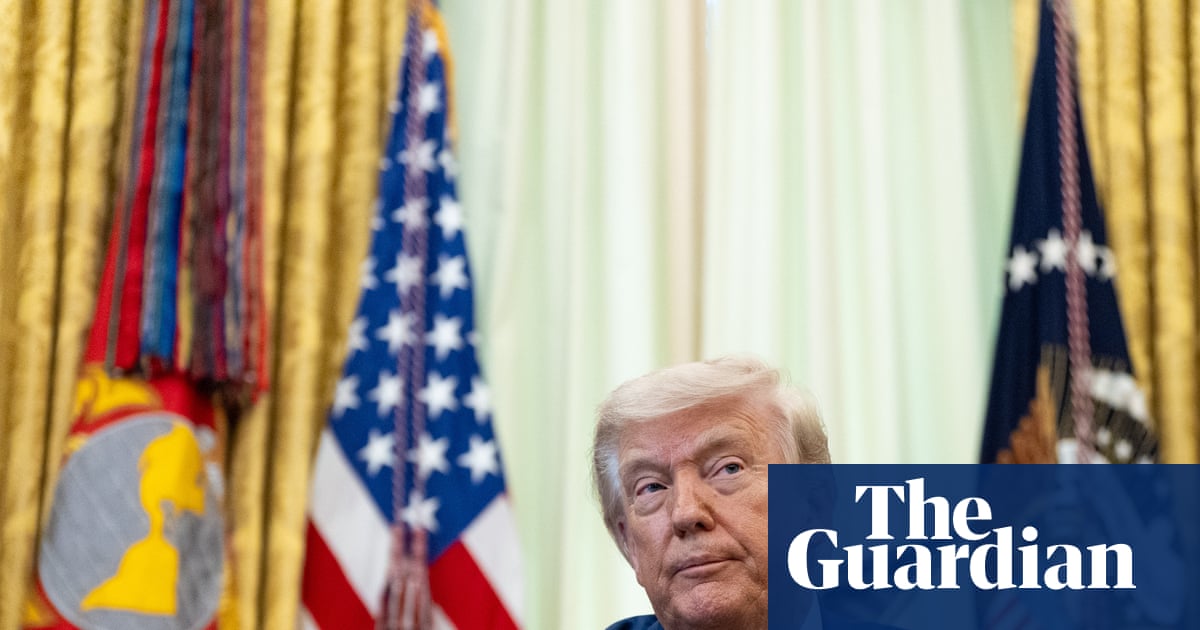
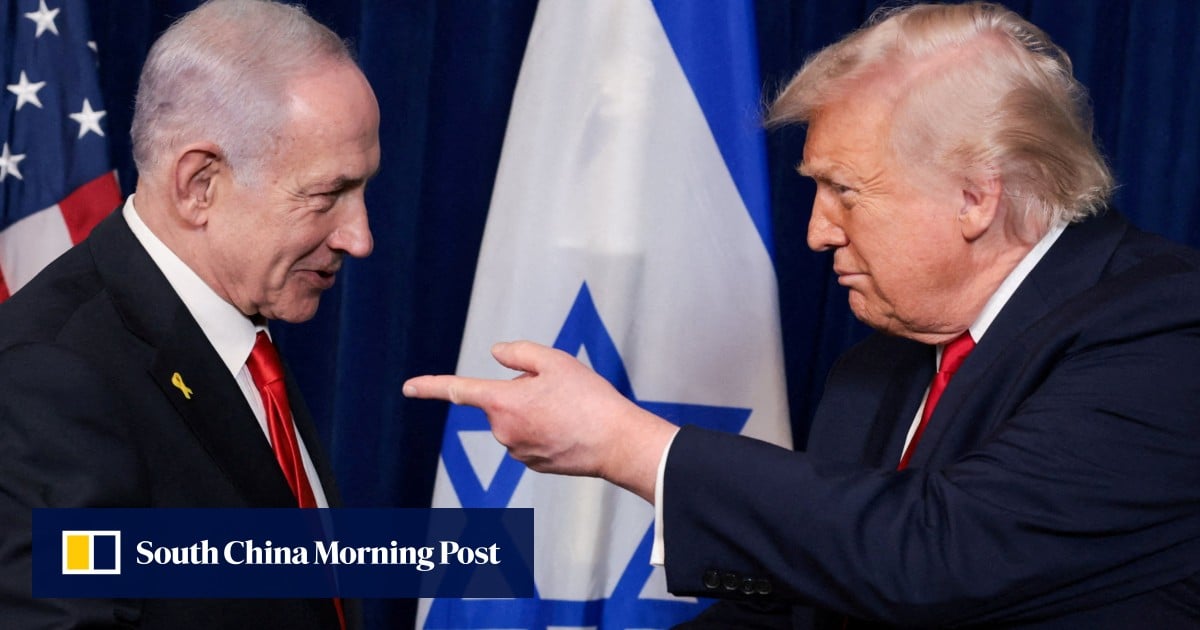
U.S. President Donald Trump confirmed a heated call with Israeli Prime Minister Benjamin Netanyahu, saying he called him “crazy,” a disclosure that analysts say could complicate coordination during negotiations.
🔗 Based On
🤝 Social Media Insights
Social Summary
Commentary emphasizes that the release of frozen Iranian assets — not U.S. cash gifts — is often misunderstood, and that Iran’s ability to disrupt the Strait of Hormuz gives it potent leverage to drive oil prices higher. That economic pressure, commentators warn, could deepen global strain and fuel domestic unrest ahead of key political deadlines.

💬 Commentary