NewsDigestFollow

Indian Techie Dies in California from Valley Fever

🏷️ Medical🌍 United States🔗 3 sources16Digest ScoreiThis score reflects the story's reliability, bias neutrality, and public momentum.
Indian Techie Dies in California from Valley Fever

📰 Full Story

Chiranjeevi Kolla, a 37-year-old Indian software engineer based in California, died on May 5 after nearly a month in intensive care from valley fever (coccidioidomycosis), a fungal lung infection. Symptoms began in early April with flu-like illness and were initially treated as severe pneumonia before tests confirmed Coccidioides infection. Physicians said the fungus severely damaged Kolla’s lungs; he was intubated and placed on a ventilator but did not recover. His family has launched a GoFundMe campaign seeking about $300,000 to cover medical bills, funeral expenses and short-term support for his wife and five-year-old son; the fundraiser had raised roughly $180,000 (about 60% of the target) by media reports. Public health authorities note valley fever is endemic in parts of the US Southwest, including California, and that many cases are mild or misdiagnosed; the CDC estimates thousands of cases annually. There is currently no approved human vaccine. The case has drawn attention in Indian and US media because of the victim’s age, occupation and the rapid deterioration after an initial misdiagnosis.

Study: 8,500 Steps Daily Helps Prevent Weight Regain

🏷️ Medical🌍 Turkey🔥 Trending🔗 3 sources8Digest ScoreiThis score reflects the story's reliability, bias neutrality, and public momentum.
Study: 8,500 Steps Daily Helps Prevent Weight Regain

📰 Full Story

A systematic review and meta-analysis presented at the European Congress on Obesity (ECO 2026) and published in the International Journal of Environmental Research and Public Health found that walking about 8,500 steps a day can help people who have lost weight keep it off. Researchers led by Professor Marwan El Ghoch analysed 18 randomized controlled trials (14 included in the meta-analysis) covering about 3,758 adults (mean age 53, mean BMI 31). Participants in lifestyle modification programmes raised their daily steps from roughly 7,280 to 8,454 during weight loss, losing on average 4.39% of body weight (~4 kg). They sustained higher activity (about 8,241 steps) during maintenance and retained most lost weight (average 3.28%, ~3 kg). The team emphasised that increasing and maintaining step counts during both the weight-loss and maintenance phases reduced weight regain, while noting that step increases alone were not strongly linked to greater weight loss during active dieting. The research was presented in Istanbul, Turkey, and highlights a simple, low-cost adjunct to obesity treatment.

Moderna begins early hantavirus vaccine research

🏷️ Medical🔗 6 sources5Digest ScoreiThis score reflects the story's reliability, bias neutrality, and public momentum.
Moderna begins early hantavirus vaccine research

📰 Full Story

Moderna has started early-stage work on mRNA vaccines targeting hantaviruses amid renewed global concern after an outbreak linked to the MV Hondius cruise ship, multiple outlets reported May 8–9, 2026. The company said research began before the recent cruise cases and is being conducted with partners including the US Army Medical Research Institute of Infectious Diseases and Korea University’s Vaccine Innovation Center. The WHO has reported confirmed cases and multiple deaths associated with the ship; the outbreak has been linked to the Andes strain, which can spread between people. Moderna’s announcement and related coverage drove its shares higher (about a 12% intraday rise reported). Other groups, including U.K. biotech EnsiliTech, have been developing mRNA- or nucleic-acid-based hantavirus candidates for years; most efforts remain in preclinical stages. Researchers warn clinical development will likely take years without large-scale funding or an emergency acceleration comparable to COVID-19 programmes, though newer mRNA platforms could speed design and scale-up. Work continues on vaccine stability (room-temperature formulations) and strain coverage (including Andes and Hantaan variants).

🤝 Social Media Insights

Social Summary
1 / 5
Commentary underscores that Andes hantavirus is a known rodent‑borne virus capable of rare human‑to‑human spread after prolonged contact, that incubation can be up to eight weeks so further cases may still appear, and that misinformation about lab origins and unproven cures is already circulating and should be treated skeptically.

Teen left brain-damaged after GP dismissed seizures

🏷️ Medical🌍 United Kingdom🔗 3 sources4Digest ScoreiThis score reflects the story's reliability, bias neutrality, and public momentum.
Teen left brain-damaged after GP dismissed seizures

📰 Full Story

An 18-year-old British teenager, Rubie Boyton, remains unable to walk or speak two years after a cardiac arrest that followed undiagnosed seizures, her family says. Boyton, from Ashford, Kent, had two prior seizure episodes that were reportedly attributed to anxiety by health services and given only symptomatic advice. In May 2024 she collapsed in a park; a friend performed CPR until an air ambulance took her to King’s College Hospital in London where she was placed in a medically induced coma. Doctors later diagnosed a rare genetic heart rhythm disorder, catecholaminergic polymorphic ventricular tachycardia (CPVT). Her brain was without oxygen for about 31 minutes, causing extensive neurological injury and dystonia. Since waking she has regained some reflexes and can communicate by blinking, but requires intensive therapies, carers and home adaptations. Her parents have left work to focus on her care and the family has launched a fundraising page that has raised more than $25,000 to cover treatments not funded by the NHS.

Study: Regular egg consumption linked to lower Alzheimer’s risk

🏷️ Medical🌍 United States🔗 4 sources4Digest ScoreiThis score reflects the story's reliability, bias neutrality, and public momentum.
Study: Regular egg consumption linked to lower Alzheimer’s risk

📰 Full Story

A new analysis published in The Journal of Nutrition using data from the Adventist Health Study-2 linked with Medicare records found that older US adults who ate eggs regularly had a lower incidence of Alzheimer’s disease. Researchers at Loma Linda University followed 39,498 participants aged 65 and over for about 15 years and reported that any egg intake was associated with a 17–27% reduced risk of clinically diagnosed Alzheimer’s compared with no intake; those reporting eggs five or more times per week saw the largest reduction (about 27%). The authors point to egg-derived nutrients — notably choline, lutein/zeaxanthin, vitamin B12, DHA and high-quality protein — as biologically plausible contributors to cognitive resilience. The study controlled for multiple confounders and ran substitution analyses, but is observational. Some funding came from an investigator-initiated grant from the American Egg Board (with no reported role in study execution). Authors note limitations including potential dietary reporting error, cohort homogeneity (many Seventh-Day Adventists) and inability to prove causation, calling for further research in diverse populations and mechanistic studies.

Older adults increasingly use cannabis for health

🏷️ Medical🌍 United States🔗 3 sources4Digest ScoreiThis score reflects the story's reliability, bias neutrality, and public momentum.
Older adults increasingly use cannabis for health

📰 Full Story

Researchers at the University of Colorado Boulder and the University of Utah report that adults aged 60 and over are the fastest-growing demographic of cannabis users. Published May 2026 in JAMA Network Open, the study interviewed 169 Colorado residents over 60 who were about to purchase cannabis for the first time. Participants most often sought cannabis to avoid pharmaceuticals or as a last-resort treatment for sleep (57%), pain (50%) and mental health (25%). Most were not seeking high-THC products; many perceived CBD-only items as therapeutic and THC as mood-enhancing, but the majority opted for combined THC–CBD products and over four weeks tended to report higher satisfaction with products that included THC. Decisions were commonly driven by word-of-mouth rather than conversations with clinicians. Authors (including Angela Bryan and Rebecca Delaney) and funders (NIH, American Heart Association) say better informational resources and clinician guidance are needed. Researchers advise older adults to begin with low doses, particularly for edibles.

🤝 Social Media Insights

Social Summary
1 / 5
Older adults report tangible benefits from cannabis for sleep and pain, often guided by peers rather than clinicians. Legal and licensing barriers limit doctors' ability to advise, increasing calls for research, clinician guidance and policy changes to safely integrate cannabis into care.

Hippocampus Processes Language Under Anesthesia

🏷️ Medical🌍 United States🔗 3 sources2Digest ScoreiThis score reflects the story's reliability, bias neutrality, and public momentum.
Hippocampus Processes Language Under Anesthesia

📰 Full Story

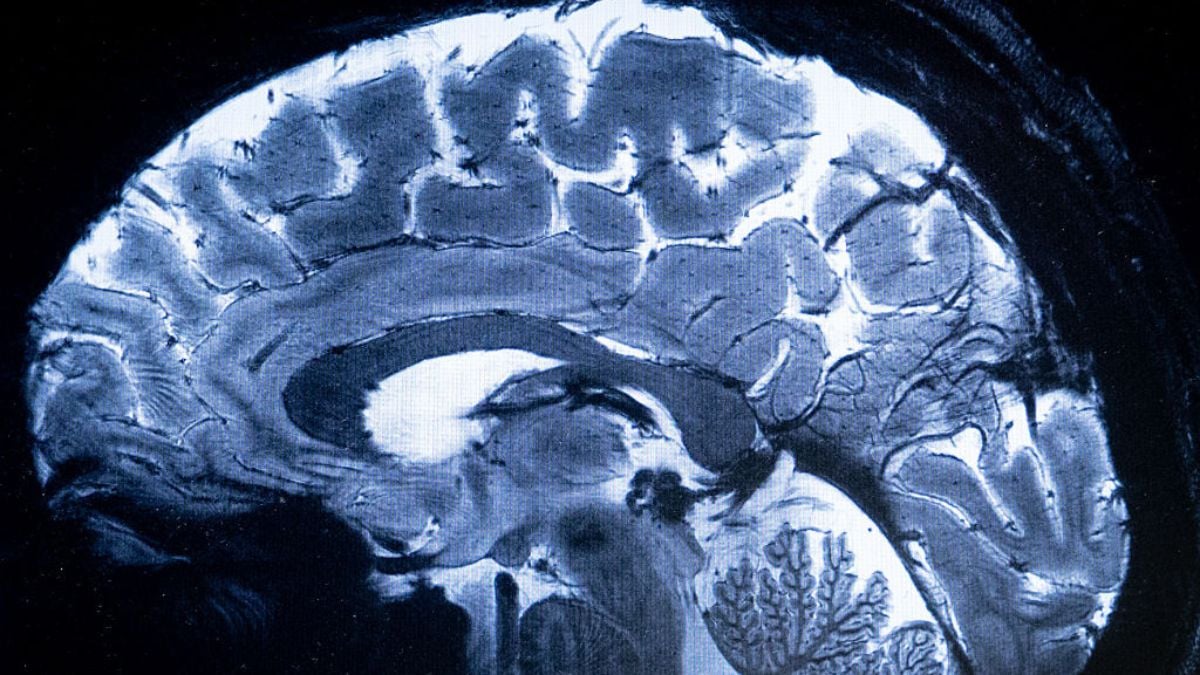
A Nature study published May 2026 reports that the human hippocampus continues to process complex auditory and language information during propofol-induced general anesthesia. Researchers at Baylor College of Medicine recorded single-neuron and local field activity using high-density Neuropixels probes in seven adults (mean age 39.6) undergoing anterior temporal lobectomy for drug-resistant epilepsy. In experiments with repeated tones and “oddball” pitches, hippocampal neurons increasingly distinguished unusual tones over roughly 10 minutes. In separate trials where podcast stories were played, neurons and local oscillations encoded parts of speech, tracked semantic relationships, and in some cases showed activity that anticipated upcoming words. None of the patients reported explicit recall of the stimuli postoperatively. Authors caution the findings are limited by small sample size, the epilepsy patient cohort, use of a single anesthetic regimen (total intravenous anesthesia, mainly propofol), and recordings from a single brain region. The work suggests preserved sensory integration and predictive coding under anesthesia and was framed as prompting a rethink of how unconscious brain states process external information.

Odyssey Therapeutics raises $279M in Nasdaq IPO

🏷️ Medical🌍 United States🔥 Trending🔗 8 sources2Digest ScoreiThis score reflects the story's reliability, bias neutrality, and public momentum.
Odyssey Therapeutics raises $279M in Nasdaq IPO

📰 Full Story

Odyssey Therapeutics, a Boston-based biotech focused on autoimmune and inflammatory diseases, raised $279 million in an upsized U.S. initial public offering and began trading on the Nasdaq in early May 2026. The company sold 15.5 million shares at $18 each; shares opened at $20 on debut, giving Odyssey a near-$900 million valuation, and initially rose about 11%. The offering was underwritten by J.P. Morgan, TD Cowen and Cantor. Odyssey, founded by biotech veteran Dr. Gary D. Glick, will use proceeds to advance its lead program OD‑001 (a RIPK2 inhibitor) through mid-stage ulcerative colitis trials and to fund other pipeline programs. The IPO followed a concurrent private placement to a TPG affiliate and comes amid a broader pick-up in biotech equity activity in 2026 after a slow 2025, with other recent listings including Kailera and Alamar Biosciences. Early trading showed some intraday volatility after the initial pop, reflecting investor caution around clinical-stage biotech valuations.

Audit finds surge in fabricated citations in biomedical literature

🏷️ Medical🌍 United States🔥 Trending🔗 4 sources1Digest ScoreiThis score reflects the story's reliability, bias neutrality, and public momentum.
Audit finds surge in fabricated citations in biomedical literature

📰 Full Story

An AI-assisted audit led by researchers at Columbia University and published in The Lancet has identified 4,046 fabricated references across 2,810 peer‑reviewed biomedical papers after scanning 2.47 million open‑access articles (Jan 2023–Feb 18, 2026). Of 125.6 million extracted references, 97.1 million carried PubMed identifiers and were verified against PubMed, Crossref, OpenAlex and Google Scholar. Fabricated citations — reference entries whose claimed titles correspond to no existing publication — rose sharply: about one in 2,828 papers in 2023, one in 458 in 2025, and one in 277 in the first seven weeks of 2026. The authors report a more than 12‑fold increase since 2023, with the steepest jump after mid‑2024 coinciding with wider adoption of large language models (LLMs). The team used an automated verification pipeline (reporting 91% precision) with filters including an LLM to reduce false positives. Examples included individual papers with a majority of references fabricated and patterns suggestive of paper‑mill activity. Authors call for publishers to adopt automated reference checks, indexers to add integrity metadata, and retrospective screening and corrective action where needed.

🤝 Social Media Insights

Social Summary
1 / 5
The audit identifies a worrying rise in fabricated citations but relied heavily on AI screening and a database‑matching workflow with imperfect precision. Practitioners warn of false positives and limited human verification, prompting calls for stronger editorial checks and targeted audits.

Roche to Buy PathAI to Boost Digital Pathology

🏷️ Medical🌍 Switzerland🔥 Trending🔗 4 sources1Digest ScoreiThis score reflects the story's reliability, bias neutrality, and public momentum.
Roche to Buy PathAI to Boost Digital Pathology

📰 Full Story

Swiss drugmaker Roche said on May 7 it has agreed to acquire U.S.-based digital pathology and AI firm PathAI for $750 million upfront plus up to $300 million in milestone payments, a potential total consideration of about $1.05 billion. The deal, expected to close in the second half of 2026 subject to customary regulatory and antitrust approvals, will fold Boston-based PathAI into Roche’s diagnostics division. Roche and PathAI have partnered since 2021 and expanded collaboration in 2024 to develop AI-enabled companion diagnostic algorithms. Roche said the acquisition strengthens its position in digital pathology by accelerating the automation of manual tissue-slide workflows and integrating PathAI’s AI models with Roche’s oncology diagnostics and clinical-trial support capabilities. PathAI’s platform is used for tissue analysis, translational research and trial biomarker development; Roche said the move will help scale those tools globally and support more precise cancer diagnosis and tailored treatment regimens. The companies cited potential improvements in diagnostic speed and accuracy as benefits for clinicians and patients.

Angelini to buy Catalyst for $4.1 billion

🏷️ Medical🌍 Italy🔗 3 sources1Digest ScoreiThis score reflects the story's reliability, bias neutrality, and public momentum.
Angelini to buy Catalyst for $4.1 billion

📰 Full Story

Italy’s Angelini Pharma agreed on May 7 to acquire U.S. rare‑disease drugmaker Catalyst Pharmaceuticals for $4.1 billion, offering $31.50 in cash per share. The deal, expected to close in the third quarter of 2026, gives Angelini a U.S. commercial footprint and a trio of marketed neuromuscular and neurological therapies — including Firdapse (for Lambert‑Eaton myasthenic syndrome), U.S. rights to Fycompa, and Agamree for Duchenne muscular dystrophy. Catalyst reported roughly $589 million of revenue last year and had 2026 guidance of $615–645 million. Angelini will be supported by Blackstone funds and other partners, with BNP Paribas as global coordinator and underwriter; Italian state lender Cassa Depositi e Prestiti (CDP), via CDP Equity, is expected to take a minority stake in Angelini through a capital increase to help finance the transaction. The acquisition follows Chiesi’s recent $1.9 billion U.S. purchase of KalVista, underscoring rising Italian outbound pharma M&A. Catalyst shares rose modestly in pre‑market trade on the announcement.

AI detects pancreatic cancer years earlier

🏷️ Medical🌍 United States🔗 3 sources1Digest ScoreiThis score reflects the story's reliability, bias neutrality, and public momentum.
AI detects pancreatic cancer years earlier

📰 Full Story

Mayo Clinic researchers have developed a radiomics-based AI, REDMOD, that can identify early, visually occult signs of pancreatic ductal adenocarcinoma on routine abdominal CT scans months to years before clinical diagnosis. The study, published in Gut and reported May 7, 2026, tested the model on nearly 2,000 previously collected CTs (including independent validation sets) and found REDMOD achieved 73% sensitivity overall versus about 39% for radiologists, with a median lead time of roughly 475 days (about 16 months) and signal detection extending up to three years before diagnosis. The algorithm converts CT data into 3D pancreatic models and extracts filtered radiomic features (AUC ~0.82) to flag subtle tissue changes. Specificity was lower than human readers (about 81% vs 92%), underscoring false-positive risk. Mayo Clinic has opened an initial U.S. feasibility trial enrolling 100 patients (ages 50–85) with plans to expand across sites and integrate eligibility screening through electronic health records for prospective validation and deployment in high-risk cohorts.

Entrada's Duchenne drug misses expectations, shares plunge

🏷️ Medical🌍 United States🔗 3 sources1Digest ScoreiThis score reflects the story's reliability, bias neutrality, and public momentum.
Entrada's Duchenne drug misses expectations, shares plunge

📰 Full Story

Entrada Therapeutics reported Phase 1/2 data for ENTR-601-44, an exon-44 skipping oligonucleotide for Duchenne muscular dystrophy (DMD), that fell short of analyst expectations, sending the Boston-based company's shares down more than 50% on May 7, 2026. In the first dosing cohort of the ELEVATE-44-201 study in ambulatory patients aged 6–17, treated patients showed a 2.36 percentage-point increase in dystrophin from a baseline of 4%, well below William Blair and Oppenheimer base-case forecasts of roughly 10–11% and far lower than Avidity/Novartis’ del-zota readout (~25%). Entrada said the therapy showed a favorable safety profile and a statistically significant improvement in time-to-rise, a functional measure. The company has begun dosing a second cohort at double the original dose (12 mg/kg) with results expected by the end of 2026. The trial included sites in the U.K. and EU; Entrada previously faced an FDA hold that was lifted in February 2025.

Daraxonrasib boosts survival, gains expanded access

🏷️ Medical🌍 United States🔥 Trending🔗 5 sources0Digest ScoreiThis score reflects the story's reliability, bias neutrality, and public momentum.
Daraxonrasib boosts survival, gains expanded access

📰 Full Story

Revolution Medicines’ experimental RAS(ON) inhibitor daraxonrasib has shown substantial survival benefits in advanced pancreatic cancer and has been cleared for expanded access by the U.S. Food and Drug Administration. Peer‑reviewed phase I/II data published in the New England Journal of Medicine involving 168 previously treated patients reported response rates up to 35% at the 300 mg dose, median progression‑free survival around 8–8.5 months and overall survival in the 13–15.6 month range in selected cohorts. An ongoing global phase III trial (RASolute 302) produced topline results showing median overall survival roughly 13.2 months versus 6.7 months with chemotherapy, and the company reported a ~60% reduction in risk of death in the intent‑to‑treat population. Safety signals include treatment‑related adverse events in about 96% of patients and grade ≥3 events in ~30%, most commonly rash, stomatitis, nausea and diarrhea; most events were manageable with dose modification and supportive care. Revolution plans regulatory filings, expanded registrational trials across pancreatic and lung cancer indications, and has reported increased clinical spending amid strong demand for expanded access.

🤝 Social Media Insights

Social Summary
1 / 5
The trial targeted previously treated (second-line) PDAC patients and tested daraxonrasib as monotherapy versus standard chemo. Given PDAC’s high KRAS mutation rate and the reported survival gains, the drug could quickly shift treatment practice if regulators confirm results; rash management will be important for quality of life.

Quebec pharmacies pull energy drinks amid safety concerns

🏷️ Medical🌍 Canada🔗 3 sources0Digest ScoreiThis score reflects the story's reliability, bias neutrality, and public momentum.
Quebec pharmacies pull energy drinks amid safety concerns

📰 Full Story

Quebec-based pharmacy chain Familiprix said on May 6 it will remove energy drinks from all 455 of its affiliated stores in Quebec and New Brunswick until regulators set stricter access rules for the high-caffeine beverages. The move follows calls from L’Ordre des pharmaciens du Québec, which recommended pharmacies pull the products after a coroner linked the 2024 death of 15-year-old Zachary Miron to an arrhythmia likely caused by a mix of ADHD medication and a caffeinated energy drink. A government petition sponsored by Québec Solidaire has gathered more than 35,000 signatures, and Quebec’s legislature unanimously adopted a motion recognising risks to youth and urging swift measures. Familiprix said stores will display warnings at pharmacy counters and encourage customers picking up prescriptions to inform pharmacists if they consume energy drinks. The Canadian Paediatric Association advises against giving energy drinks to children; the Canadian Beverages Association opposes a blanket ban, saying Health Canada already limits caffeine content and requires cautionary labels.

White House projects $64.3 billion savings under MFN

🏷️ Medical🌍 United States🔗 4 sources0Digest ScoreiThis score reflects the story's reliability, bias neutrality, and public momentum.
White House projects $64.3 billion savings under MFN

📰 Full Story

The White House said on May 5-6, 2026 that its voluntary Most Favored Nation (MFN) drug-pricing framework could generate $64.3 billion in combined federal and state savings over the next 10 years for Medicaid and marketed drugs, and about $529 billion in total domestic savings across all U.S. markets over the decade. The administration has reached voluntary MFN agreements with 17 pharmaceutical companies, including negotiated price cuts for GLP-1 therapies and a Medicare GLP-1 Bridge demonstration slated to begin July 1, 2026. Independent analyses and health-policy journals note the administration’s broader economic analysis projects nearly $600 billion in aggregate savings when prospective price terms for new drug launches are included (estimates range up to $733 billion under some models). Experts caution that major uncertainties remain: terms of manufacturer agreements are not publicly disclosed, the mechanism for extending discounts to commercial insurers is unclear, and reference‑country responses — such as higher prices abroad, restricted launches or confidential rebates — could erode anticipated savings and affect access and innovation.

Bayer to buy Perfuse Therapeutics for up to $2.45B

🏷️ Medical🔥 Trending🔗 5 sources0Digest ScoreiThis score reflects the story's reliability, bias neutrality, and public momentum.
Bayer to buy Perfuse Therapeutics for up to $2.45B

📰 Full Story

Bayer on May 6-7, 2026 agreed to acquire U.S. biotech Perfuse Therapeutics for $300 million upfront and up to $2.45 billion including development, regulatory and commercial milestones. The deal would give Bayer full rights to PER-001, an intravitreal, bio-erodible implant delivering a small-molecule endothelin receptor antagonist now in mid-stage (Phase II) trials for open-angle glaucoma and diabetic retinopathy; Perfuse last year reported positive Phase II results. Bayer said the asset complements its ophthalmology pipeline as sales of its flagship eye drug Eylea face pressure from biosimilars and patent expiries. The acquisition is subject to customary Perfuse shareholder approval and antitrust clearances. Perfuse is headquartered in San Francisco with R&D in Durham, North Carolina. Bayer described the move as reinforcing its commitment to ophthalmology and addressing unmet needs in retinal disease; remaining payments depend on clinical, regulatory and commercial success of PER-001.

FDA OKs Fruit-Flavored Vapes After Trump Pressure

🏷️ Medical🌍 United States🔥 Trending🔗 10 sources0Digest ScoreiThis score reflects the story's reliability, bias neutrality, and public momentum.
FDA OKs Fruit-Flavored Vapes After Trump Pressure

📰 Full Story

On May 5, 2026 the U.S. Food and Drug Administration authorised the first non-tobacco, fruit-flavoured e-cigarette products for marketing, granting permission to Los Angeles-based Glas Inc. for four pod variants — marketed as Gold, Sapphire, Classic Menthol and Fresh Menthol — including mango and blueberry flavours. The FDA said the decision followed a scientific review that found Glas’s age‑verification technology (government ID check and Bluetooth pairing to a verified smartphone) and marketing limits are expected to mitigate youth access. The agency emphasised the authorisations apply only to those specific products, are intended for adults 21 and older, and could be suspended if youth use rises or benefits no longer outweigh risks. The move comes amid reported political pressure: the Wall Street Journal and other outlets said President Donald Trump rebuked FDA Commissioner Marty Makary over the weekend for moving too slowly on flavoured vapes. Public health groups and parent organisations have warned flavours drive underage vaping even as teen vaping rates have fallen to multi‑year lows. The FDA has now authorised dozens of e-cigarette products but continues to demand evidence of net benefit to adult smokers for flavours with youth appeal.

FDA chief defends rejection of Replimune melanoma drug

🏷️ Medical🌍 United States🔗 3 sources0Digest ScoreiThis score reflects the story's reliability, bias neutrality, and public momentum.
FDA chief defends rejection of Replimune melanoma drug

📰 Full Story

U.S. Food and Drug Administration Commissioner Marty Makary defended the agency’s decision this week to deny approval of Replimune’s melanoma therapy, reiterating that the company relied on a single‑arm study and failed to provide the well‑controlled trial the FDA requested. In a CNBC interview aired May 5, Makary pointed to the agency’s publicly released Complete Response Letter as the basis for the rejection and said review teams consistently recommended denial unless substantial evidence from a control group was supplied. Reuters reported Replimune shares fell about 10% on the news. The denial follows an earlier rejection in July 2025 and has intensified scrutiny of Makary’s leadership amid critical media coverage, industry pushback and reported internal agency tensions. Makary said the FDA has “followed the science” and rejected suggestions of impropriety. Media and market attention, plus reporting that Makary faces internal pressure and White House interest in his performance, have amplified debate over evidentiary standards for oncology approvals and broader regulatory policy under his tenure.

Ontario lowers colorectal cancer screening to 45

🏷️ Medical🌍 Canada🔗 3 sources0Digest ScoreiThis score reflects the story's reliability, bias neutrality, and public momentum.
Ontario lowers colorectal cancer screening to 45

📰 Full Story

Ontario will lower the starting age for routine colorectal cancer screening from 50 to 45 on July 1, 2026, Cancer Care Ontario guidance posted by Ontario Health says. The change expands ColonCancerCheck eligibility for average-risk adults to receive a fecal immunochemical test (FIT) every two years; primary care providers may order FITs from July 1 and formal invitation letters will be phased in over two years. People with a first-degree relative diagnosed before age 60 should begin screening at 40 (or 10 years younger than the relative’s diagnosis), while those with one relative diagnosed at 60 or older will now use FIT biennially instead of immediate colonoscopy. The policy follows modelling and mounting international evidence of rising early-onset colorectal cancer and mirrors earlier moves by Prince Edward Island, the United States and Australia. Health officials expect a modest short-term increase in abnormal FIT results and higher demand for colonoscopies, surgeries and pathology but say earlier detection will reduce diagnoses, deaths and long-term system costs and may help address disparities affecting First Nations communities.