
📰 Full Story
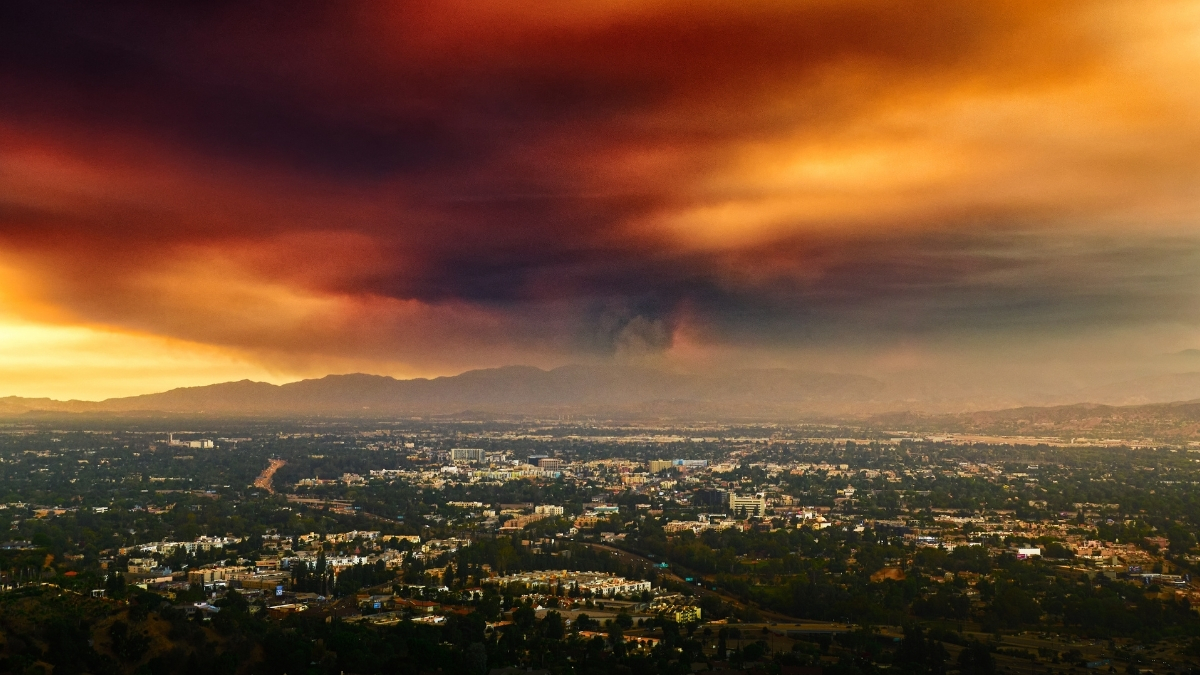
A study published Feb. 4, 2026 in Science Advances finds long-term exposure to fine particulates (PM2.5) from wildfire smoke contributed to an average of about 24,100 deaths per year across the contiguous United States from 2006–2020.
Researchers at Mount Sinai linked satellite-derived wildfire smoke PM2.5 estimates with federal mortality records from 3,068 counties, examining all-cause and cause-specific deaths.
The analysis found the strongest associations for neurological diseases, followed by circulatory, respiratory and endocrine conditions; every 0.1 µg/m3 rise in wildfire PM2.5 corresponded to roughly 5,594 additional deaths annually.
Effects were more pronounced in rural counties, during cooler periods, and among younger populations.
The study used negative-control outcomes (car accidents and falls) to test robustness but notes limits including county-level exposure averages, dynamic smoke plumes, and unmeasured individual risk factors (for example smoking). Authors say the figure likely underestimates true harm and argue for urgent mitigation, improved monitoring, local response plans and stronger climate and land-management policies.












)






💬 Commentary