
📰 Full Story
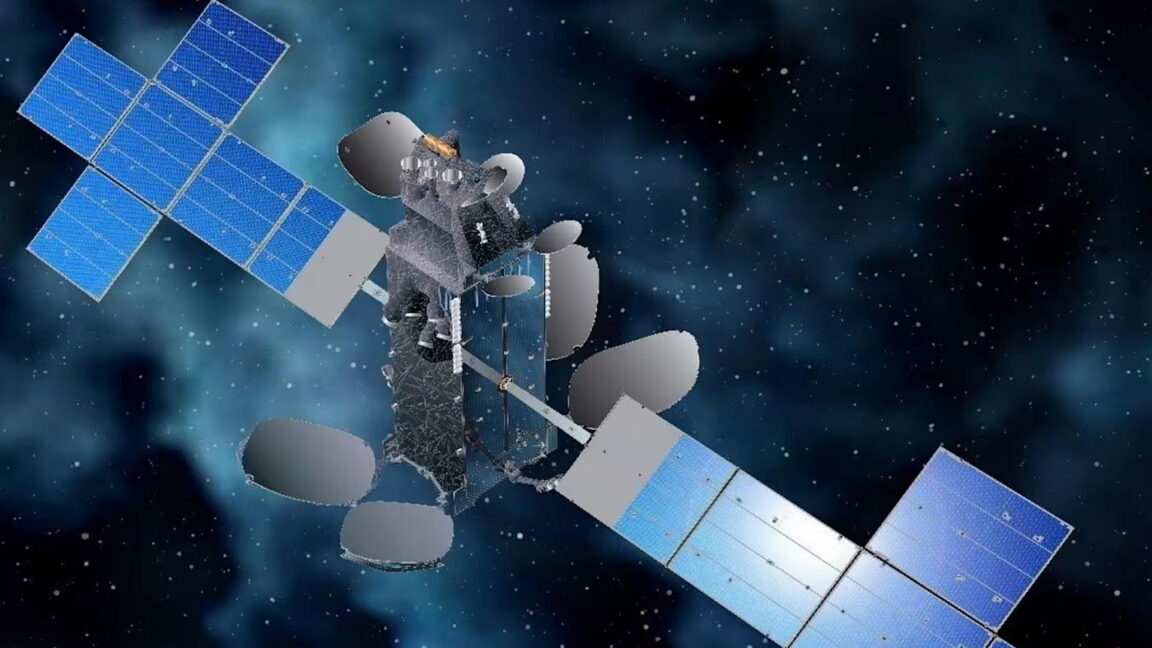
European security and space officials say two Russian “inspector” spacecraft, Luch-1 and Luch-2, have spent months shadowing and intercepting signals from more than a dozen key European geostationary communications satellites, according to reporting published Feb. 3–5, 2026.
Orbital tracking and ground observations indicate repeated close approaches—Luch-2 has been logged near 17 satellites since its 2023 launch—and long loitering inside the narrow beams that carry command and user data.
Officials warn many older European satellites lack modern encryption, making unencrypted command links vulnerable to signals intelligence collection, mapping of ground terminals, and potential future spoofing or manipulation of thrusters.
The activity is being framed as part of a broader “hybrid warfare” campaign that already targets undersea cables and other critical infrastructure.
In response, Germany unveiled plans to spend roughly €35 billion on military space capabilities, including an encrypted SATCOM Stage 4 constellation, spy satellites, lasers, inspector craft and other non-kinetic countermeasures to bolster deterrence and protect European space assets.
🔗 Based On
🤝 Social Media Insights
Context
Reports focus on Russian spacecraft intercepting satellite communications and loitering in narrow signal beams. The headline wording ('shadowing the geostationary fleet') can imply physical seizure; the reported activity is interception and proximity operations.












)






💬 Commentary