
📰 Full Story
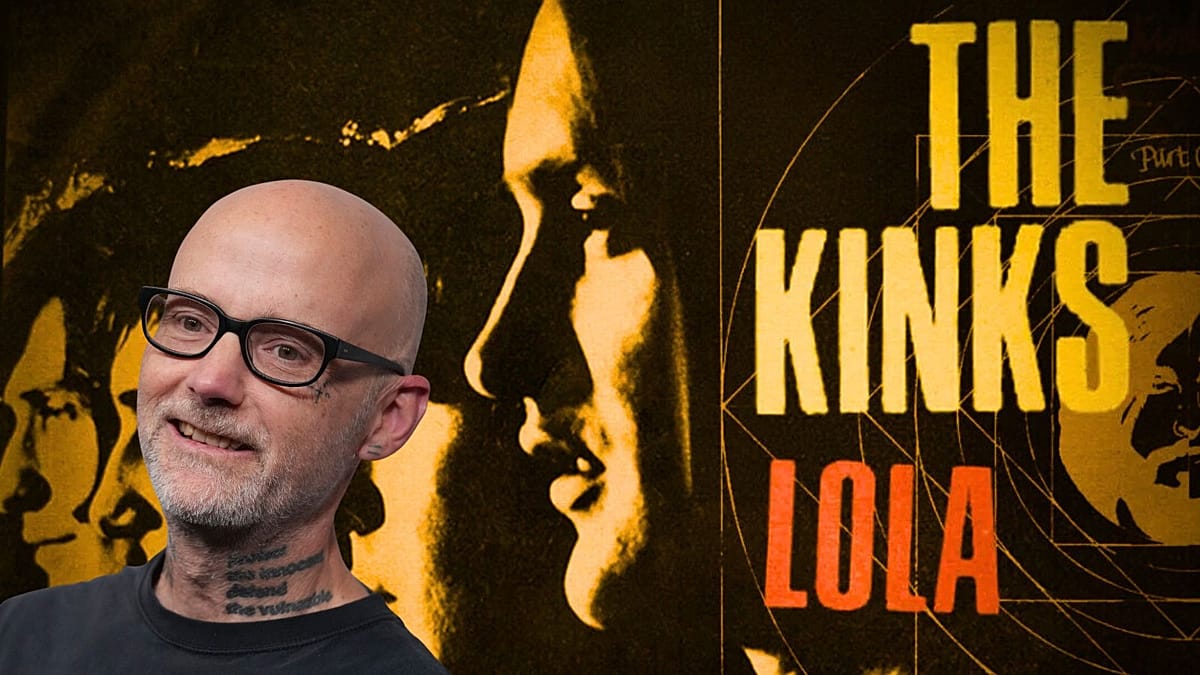
American musician Moby said in The Guardian’s “Honest Playlist” feature (published March 21–22, 2026) that he could no longer listen to The Kinks’ 1970 hit “Lola,” calling its lyrics “gross” and “transphobic” and describing them as “unevolved.” The comments prompted a swift rebuttal from Kinks guitarist Dave Davies, who posted on X that he was “highly insulted” and urged Moby to “be careful what he says.” Davies defended songwriter Ray Davies and shared a letter from pioneering transgender punk artist Jayne County praising “Lola” as a breakthrough that “broke the ice” for LGBTQ+ representation.
Coverage across music outlets and mainstream titles including The Guardian, Rolling Stone, Billboard and others amplified the exchange; Moby had not issued a public response at the time of reporting.
The dispute revived long-standing debates over the song’s meaning — whether it celebrates or misrepresents gender-nonconforming figures — and recalled past radio edits and bans when “Lola” was released.
The Kinks’ members and some LGBTQ+ figures have historically defended the track as sympathetic and influential, while critics argue older lyrics warrant re-evaluation.
🔗 Based On
Euronews | Latest breaking news available as free video on demand‘Gross and transphobic’: Why is Moby taking shots at beloved 70s song?
🤝 Social Media Insights
Social Summary
Many observers, including transgender listeners, view "Lola" as a progressive, mainstream portrayal for its era and argue the language is dated rather than malicious. The exchange has reignited contextual debates over interpreting older pop songs and drawn scrutiny to the critic's own history.





💬 Commentary