
📰 Full Story
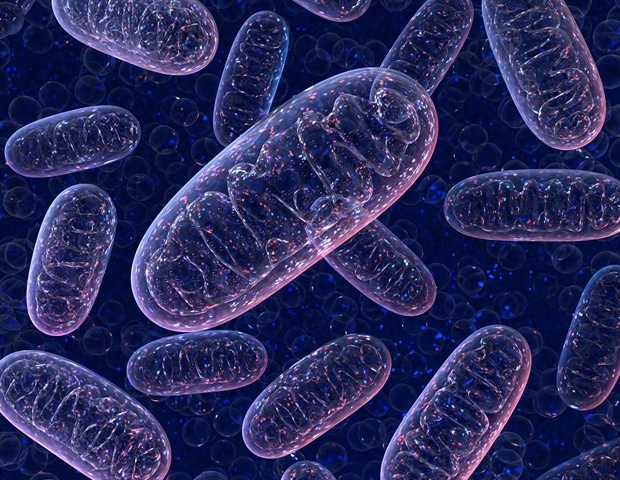
Researchers at the École Polytechnique Fédérale de Lausanne (EPFL) have identified a physical process, termed “mitochondrial pearling,” that organizes and redistributes mitochondrial DNA (mtDNA) within organelles to ensure even spacing of nucleoids.
Published in Science on April 2, 2026, the study led by Suliana Manley and Juan C. Landoni combined super‑resolution and correlated light–electron microscopy with live‑cell imaging to track individual nucleoids.
They found transient beads‑on‑a‑string transformations in mitochondria that form alternating bulges and constrictions; these events occur a few times per minute and segregate clustered nucleoids into separated “pearls.” The spacing set by pearling matches typical inter‑nucleoid distances and often persists after tubules return to a tubular shape.
Genetic and pharmacological experiments implicated mitochondrial calcium influx and internal membrane architecture as regulators of pearling; disrupting these factors leads to nucleoid aggregation.
The mechanism operates alongside previously known processes such as ER–mitochondria contact–guided division and active tubulation, offering a membrane‑physics–based, energy‑efficient means to maintain mtDNA distribution.
Authors say the finding could inform understanding of mtDNA inheritance, gene expression within mitochondria, and disorders linked to mtDNA dysfunction.





💬 Commentary