NewsDigest

Light winds could drive 10-foot waves on Titan

🏷️ Science & Space🔗 3 sources30Digest ScoreiThis score reflects the story's reliability, bias neutrality, and public momentum.
Light winds could drive 10-foot waves on Titan

📰 Full Story

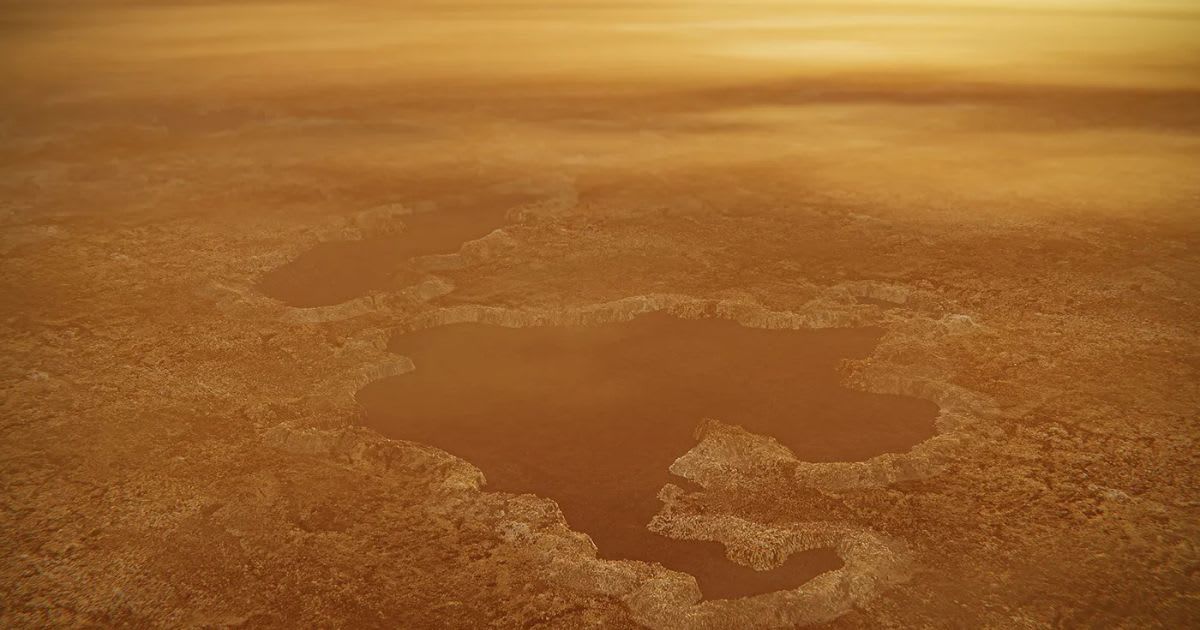
A new wave-physics model developed by researchers at MIT predicts that gentle breezes on Saturn’s moon Titan could generate waves up to about 3 metres (10 feet) high on its hydrocarbon lakes. The model, dubbed PlanetWaves, extends traditional wind-wave theory by incorporating atmospheric pressure and the liquids’ properties—density, viscosity and surface tension—then was validated against 20 years of Lake Superior buoy data. Low gravity (about 14% of Earth’s) and the light nature of methane-ethane mixtures mean modest winds can build large, slow-moving swells over long fetches. The result helps reconcile Cassini’s largely smooth radar returns with geomorphic evidence for shoreline erosion and transient radar-bright patches observed in some flybys. Lead authors including Una Schneck and collaborators Andrew Ashton and Taylor Perron note the findings matter for interpreting Titan’s coastal features and for engineering any future lake-going or floatation probes; they also have implications for modeling waves on other worlds and some exoplanet scenarios.

Study: Seeds 'hear' rain and sprout faster

🏷️ Science & Space🌍 United States🔗 4 sources33Digest ScoreiThis score reflects the story's reliability, bias neutrality, and public momentum.
Study: Seeds 'hear' rain and sprout faster

📰 Full Story

A study led by Nicholas Makris at the Massachusetts Institute of Technology, published in Scientific Reports on April 23, 2026, finds that rice seeds exposed to the sound and vibration of falling raindrops germinate substantially faster than seeds not exposed to droplet impacts. Researchers submerged roughly 8,000 Oryza sativa seeds in shallow water and subjected some trays to streams of rain-like droplets while keeping controls in identical water without droplet impact. Depending on conditions and seed position in puddles, germination was accelerated by roughly 24–40%. The team attributes the effect to pressure waves transmitted through water that jostle microscopic starch-rich statoliths inside seed cells; those movements plausibly trigger early growth processes. The study also measured very high underwater sound pressures produced by single drops in shallow puddles. Authors caution that other factors — such as aeration, pressure changes or extra material from drops — might contribute, and they call for further biological and cross-species testing to confirm mechanisms and field relevance.

Sony's Ace robot beats elite table tennis players

🏷️ Science & Space🌍 Japan🔥 Trending🔗 22 sources29Digest ScoreiThis score reflects the story's reliability, bias neutrality, and public momentum.
Sony's Ace robot beats elite table tennis players

📰 Full Story

Sony AI’s autonomous robot “Ace” has achieved what researchers describe as the first instance of expert-level play by a machine in a commonly played physical sport. A study published in Nature on April 22, 2026, and accompanying demonstrations in Tokyo show Ace—an eight-jointed robotic arm with a network of high-speed vision systems including event-based sensors, nine synchronized cameras and three gaze systems—using model-free reinforcement learning to track spin, react in milliseconds and execute competitive shots under International Table Tennis Federation rules. In April 2025 Ace won three of five matches against elite human players; it initially lost to two professional players but later beat professional opponents in December 2025 and in early 2026. Tests were held on a full-size court with licensed umpires. The system returned a high proportion of high-spin shots, scored multiple direct points on serve and sometimes executed maneuvers human players had not expected. Authors and Sony AI say the architecture demonstrates that simulated learning can transfer to fast, precise, real-world interaction tasks and point to broader applications in manufacturing, service robotics and other time-critical domains.

NASA Targets September Launch for Roman Telescope

🏷️ Science & Space🌍 United States🔥 Trending🔗 10 sources24Digest ScoreiThis score reflects the story's reliability, bias neutrality, and public momentum.
NASA Targets September Launch for Roman Telescope

📰 Full Story

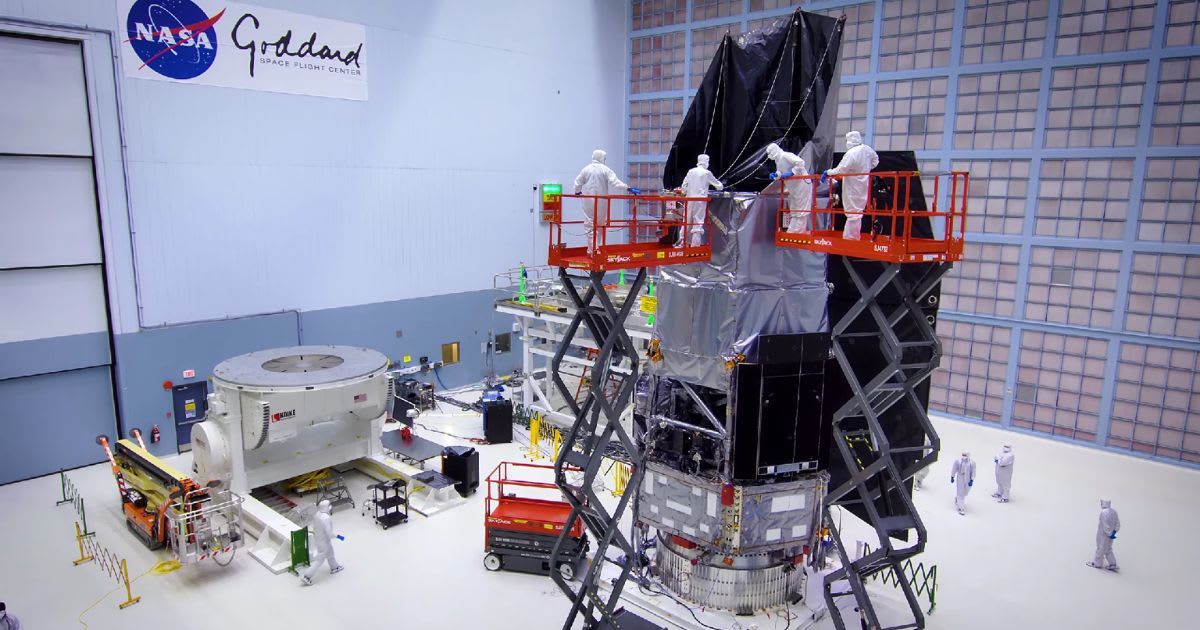
NASA unveiled the completed Nancy Grace Roman Space Telescope at Goddard Space Flight Center on April 21, 2026 and is targeting an early September 2026 launch, with a contractual latest launch date of May 2027. The observatory, built for wide-field infrared surveys, pairs a 300-megapixel Wide Field Instrument with a high-contrast coronagraph to hunt exoplanets and map the large-scale structure of the cosmos to probe dark matter and dark energy. NASA expects Roman to amass an enormous archive during its five-year primary mission — on the order of tens of thousands of terabytes — and to identify hundreds of millions of galaxies and tens of thousands of exoplanets. The telescope will lift off on a SpaceX Falcon Heavy from Launch Complex 39A at Kennedy Space Center and is managed by Goddard with participation from JPL, Caltech/IPAC and the Space Telescope Science Institute. The project, named for astronomer Nancy Grace Roman, was completed ahead of schedule and under budget after more than a decade and about $4 billion of investment.

Inspector warns Artemis spacesuits may delay moon landing

🏷️ Science & Space🌍 United States🔗 4 sources24Digest ScoreiThis score reflects the story's reliability, bias neutrality, and public momentum.
Inspector warns Artemis spacesuits may delay moon landing

📰 Full Story

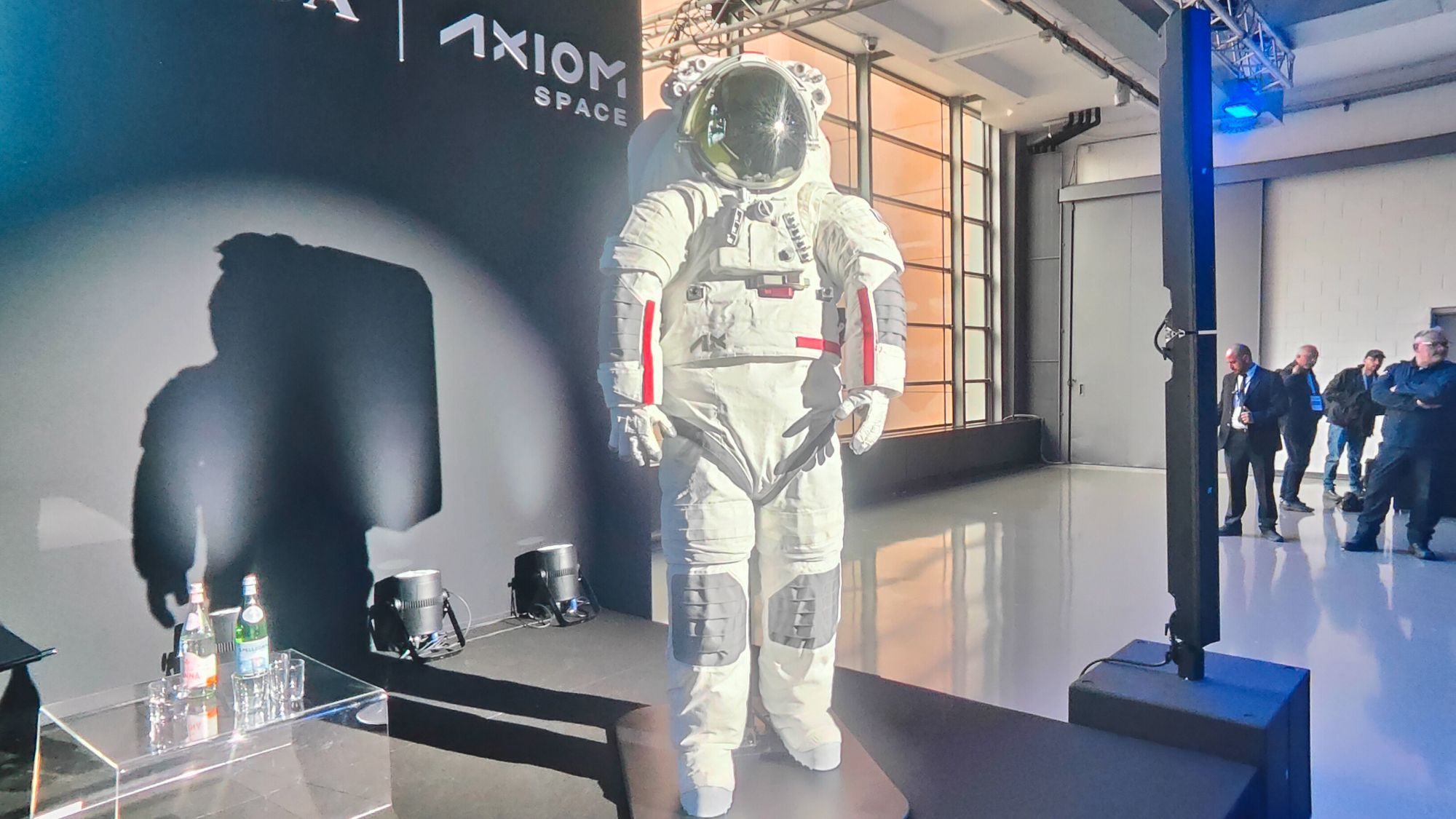
A NASA Office of Inspector General audit released in April 2026 says delays in developing next-generation spacesuits could push planned Artemis lunar landings from 2028 to as late as 2031. NASA in 2022 awarded Exploration Extravehicular Activity Services contracts worth about $3.1 billion to Axiom Space and Collins Aerospace; Collins withdrew in 2024, leaving Axiom as the sole provider. The OIG found NASA’s firm‑fixed‑price, service‑based acquisition approach was ill-suited to this developmental effort, produced overly optimistic schedules and imposed burdensome requirements that narrowed the vendor pool. The watchdog flagged technical, schedule and interoperability risks — including incompatible suit interfaces with proposed commercial landers — and noted that the International Space Station will be retired around 2030, tightening the window for in‑space testing. Axiom disputes the 2031 estimate, saying it plans a 2027 in‑space demonstration and remains committed to supporting a 2028 lunar landing; NASA Administrator Jared Isaacman has also expressed confidence. The report recommends changing acquisition and oversight practices and keeping options open to appoint additional suppliers such as SpaceX, Genesis Engineering Solutions and ILC Dover.

Study finds 98% of meat and dairy pledges are greenwashing

🏷️ Science & Space🌍 United States🔗 3 sources22Digest ScoreiThis score reflects the story's reliability, bias neutrality, and public momentum.
Study finds 98% of meat and dairy pledges are greenwashing

📰 Full Story

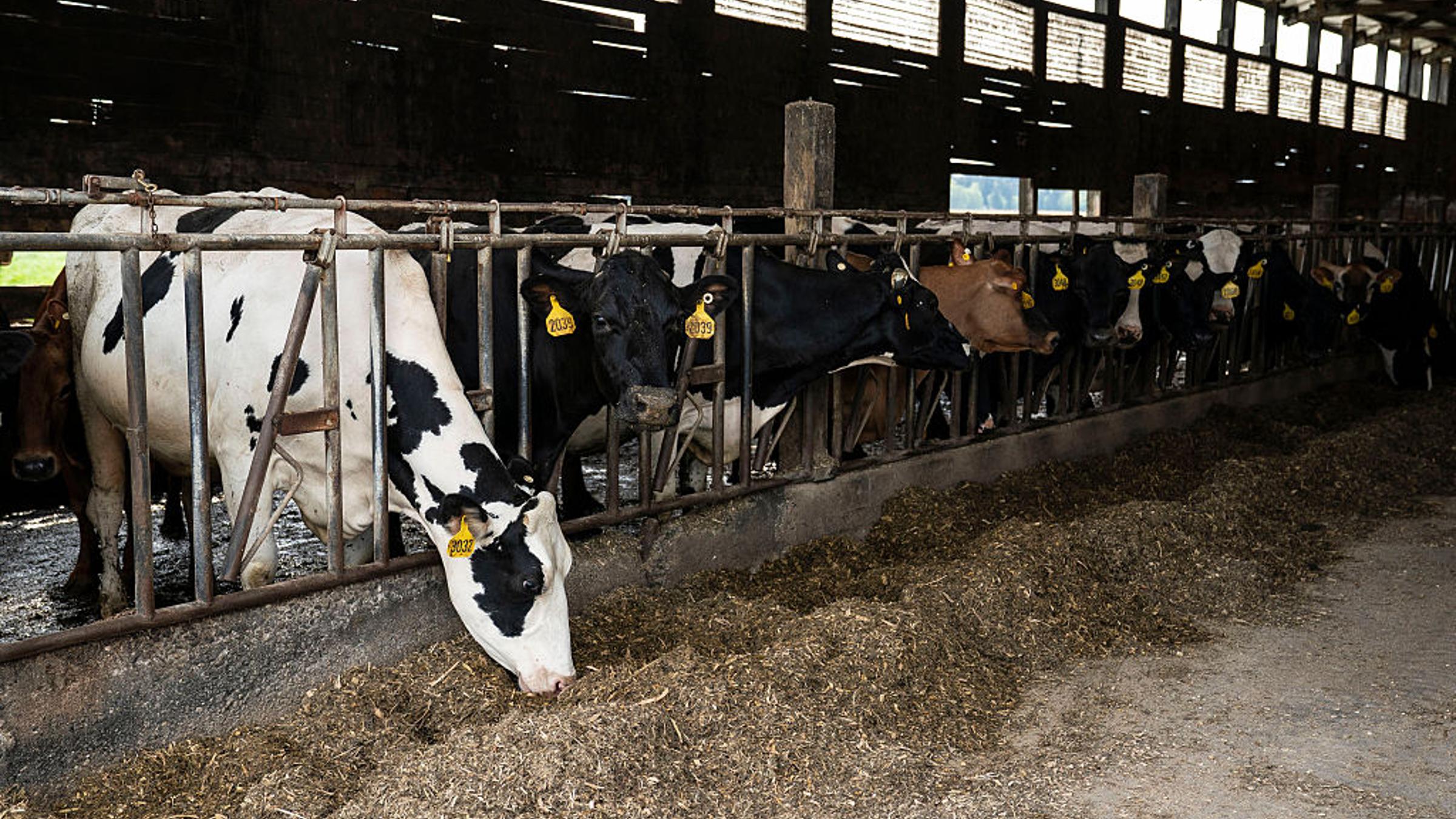
Researchers led by Maya Bach and Jennifer Jacquet published a PLOS Climate paper on April 22, 2026, analysing 1,233 environmental claims from 33 of the world’s largest meat and dairy companies across 2021–2024. Using a validated greenwashing framework, the team found 98% of claims were deceptive or misleading; 68% were climate‑related, only 356 (29%) had company‑provided supporting evidence, and scholarly literature backed just three claims. Seventeen companies now hold net‑zero pledges, but these largely rely on offsets rather than direct emissions reductions. The authors highlight token initiatives — a regenerative pilot covering 24 farms (0.0019% of operations) and trivial packaging tweaks — that contrast with the sector’s disproportionate emissions role: animal agriculture accounts for at least 16.5% of global greenhouse gases and a large share of food‑system emissions. The paper warns that vague, unverifiable promises risk misleading consumers and policymakers and may delay substantive action needed to meet climate targets.
Explore more on NewsDigest