
📰 Full Story
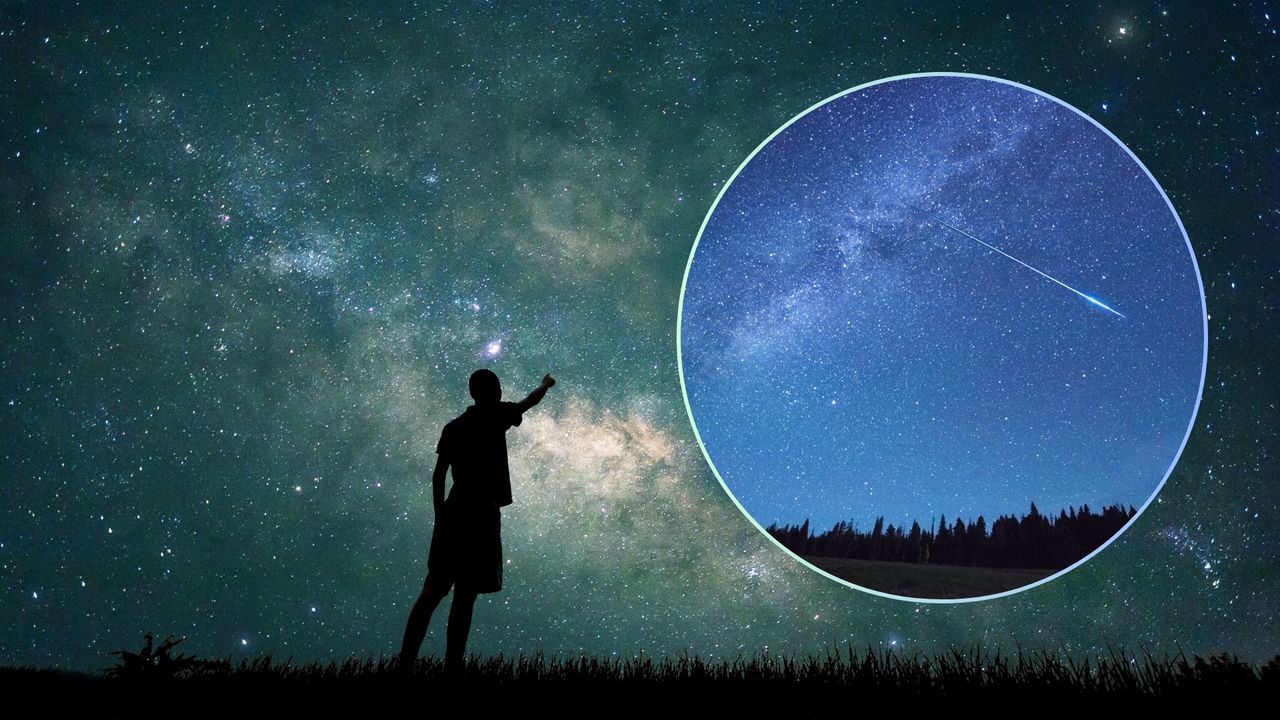
The annual Lyrid meteor shower is active now and is expected to peak Tuesday night into Wednesday morning (April 21–22, 2026), offering skywatchers in the Northern Hemisphere their best chance to see 10–20 shooting stars per hour under dark skies.
The Lyrids are debris from Comet Thatcher (C/1861 G1), a long‑period comet that returns roughly every 415 years; Earth crosses its dust trail each April.
This year’s viewing is helped by a thin crescent moon that sets before the best hours, leaving darker skies for observers.
Meteors appear to radiate from the Lyra constellation (near the bright star Vega), but longer, brighter streaks are often seen away from the radiant.
Experts recommend going out after midnight, finding a wide, unobstructed, low‑light location, allowing eyes 20–30 minutes to adapt, and avoiding direct view of the radiant.
The Eta Aquariids, a stronger shower fed by Halley’s Comet, also begins this period and will peak in early May, though lunar phase may affect its visibility.




💬 Commentary