NewsDigest

Artemis II commander’s iPhone captures Earthset

🏷️ Science & Space🌍 United States🔗 13 sources62Digest ScoreiThis score reflects the story's reliability, bias neutrality, and public momentum.
Artemis II commander’s iPhone captures Earthset

📰 Full Story

NASA Artemis II commander Reid Wiseman posted a 53-second iPhone video showing ‘Earthset’ — Earth slipping behind the Moon’s horizon — taken during the crew’s lunar flyby on April 6 and shared on social media April 19. The clip, shot on an iPhone 17 Pro Max using 8x zoom and described by Wiseman as uncropped and unedited, was filmed through Orion’s docking hatch as Wiseman, Christina Koch, Victor Glover and Jeremy Hansen orbited the Moon. The mission, launched April 1 and returning April 10 with a Pacific splashdown near San Diego, carried both professional Nikon DSLRs and consumer iPhones cleared for the flight. Artemis II set new distance marks for human spaceflight and delivered extensive imagery of the Moon’s far side; Wiseman’s footage — widely viewed and shared by international media — joins those photos as the first publicly seen video of an Earthset since Apollo-era missions.
Curiosity rover detects diverse organics in Gale crater

🏷️ Science & Space🔥 Trending🔗 5 sources34Digest ScoreiThis score reflects the story's reliability, bias neutrality, and public momentum.
Curiosity rover detects diverse organics in Gale crater

📰 Full Story

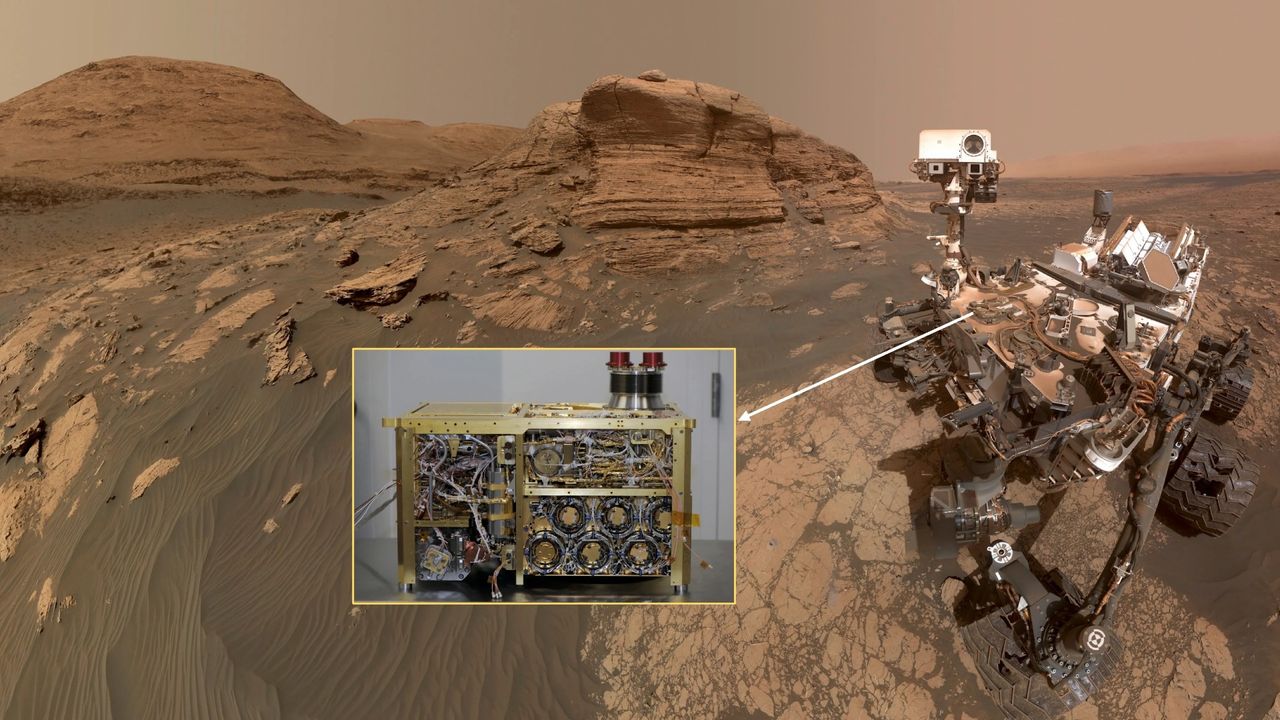
NASA’s Curiosity rover has detected a diverse suite of organic molecules in 3.5-billion-year-old rocks in Gale Crater, researchers reported on April 21, 2026. Using a first-of-its-kind TMAH (tetramethylammonium hydroxide) thermochemolysis experiment with the rover’s Sample Analysis at Mars (SAM) instrument, scientists analysed clay‑rich sandstone from the Glen Torridon region (Knockfarrill Hill/Mary Anning drill site) and identified more than 20 organics, including nitrogen- and sulfur-bearing compounds and benzothiophene. Five of seven newly confirmed smaller molecules had not been seen previously on Mars; one is structurally similar to precursors of DNA. Team lead Amy Williams (University of Florida) and colleagues published the results in Nature Communications. The findings demonstrate preserved macromolecular carbon in near‑surface Martian sediments but do not constitute evidence of past life: the organics could be endogenous, produced abiotically, or delivered by meteorites. Scientists say returning samples to Earth would be required to definitively assess biological origin. The validated TMAH technique will inform future missions and instrument suites, including European and NASA projects, as agencies refine strategies to search for ancient biosignatures on Mars and elsewhere.

Astronauts' brains struggle to unlearn gravity

🏷️ Science & Space🌍 Belgium🔗 3 sources33Digest ScoreiThis score reflects the story's reliability, bias neutrality, and public momentum.
Astronauts' brains struggle to unlearn gravity

📰 Full Story

A multinational team led by Philippe Lefèvre at Université catholique de Louvain reported that astronauts retain a long‑standing ‘memory’ of Earth gravity that alters basic hand movements in microgravity. The Journal of Neuroscience study, published 20–21 April 2026, tracked 11 European Space Agency crewmembers on five‑ to six‑month International Space Station missions. In weightlessness, astronauts tended to grip objects more strongly and showed unexpected asymmetries in force across movements — behaviour researchers interpret as the brain overcompensating for an internally expected weight. Tests conducted shortly after splashdown showed residual miscalibration of grip, although repeated movements on Earth produced a rapid readaptation in the lab setting. Authors warn that these sensorimotor changes could raise safety risks during delicate tasks, spacewalks, robotic manipulation or surface operations in partial gravity (Moon, Mars). The team calls for tailored training, tool and procedure design, and further study of longer missions and partial‑gravity environments to reduce operational hazards.

🤝 Social Media Insights

Social Summary
1 / 5
Commenters converge on two points: the reported sensorimotor effects are actionable — artificial gravity (periodic centrifugation or rotating habitats) is a plausible mitigation — and rigorous tests with better controls and dedicated spin‑gravity platforms are needed to separate training/safety behaviour from true neurovestibular adaptation.

NASA shuts down Voyager 1 instrument to save power

🏷️ Science & Space🌍 United States🔗 8 sources29Digest ScoreiThis score reflects the story's reliability, bias neutrality, and public momentum.
NASA shuts down Voyager 1 instrument to save power

📰 Full Story

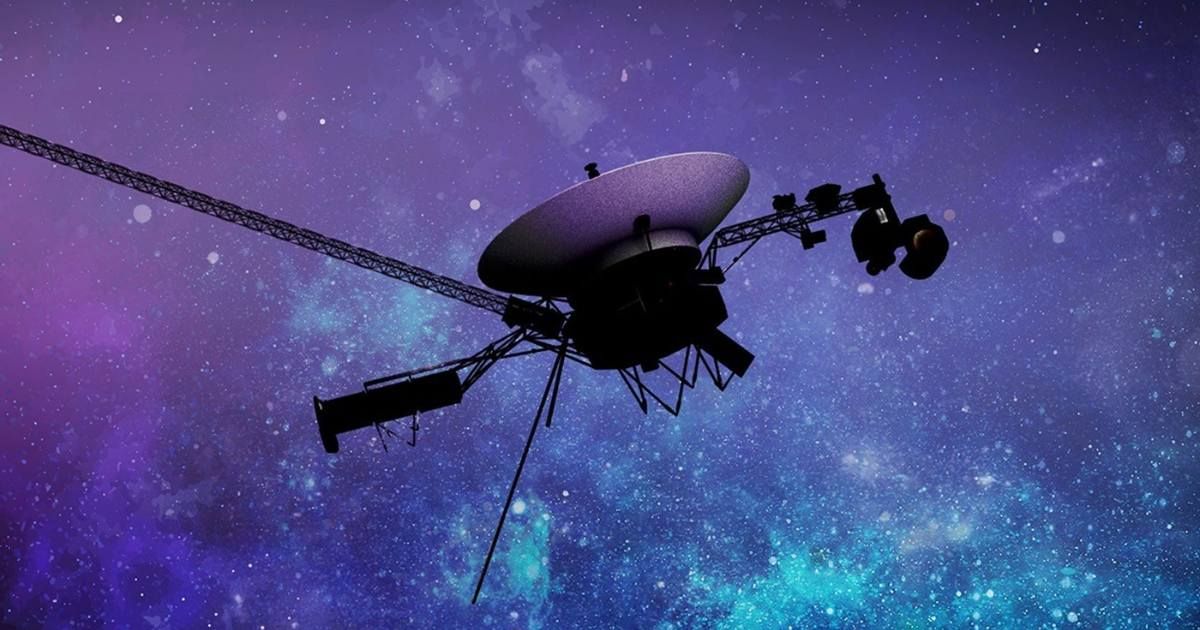
NASA engineers at the Jet Propulsion Laboratory shut down the Low-energy Charged Particles experiment (LECP) on Voyager 1 on April 17, 2026 to conserve dwindling onboard power after an unexpected drop in February. The command, sent across more than a day of light-time delay, placed the long-running sensor into a low-power state while leaving a small motor (about 0.5 watts) active so the instrument could potentially be reactivated if extra energy becomes available. LECP, active since Voyager's 1977 launch, has been a key source of data on the interstellar medium; its loss reduces the probe’s suite of instruments to two functioning experiments that measure plasma waves and magnetic fields. The shutdown follows a similar deactivation on Voyager 2 in March 2025. NASA says the move should buy Voyager 1 roughly a year of “breathing room” while engineers prepare a broader power-saving manoeuvre nicknamed the “Big Bang,” with tests planned on Voyager 2 in May–June and, if successful, implementation on Voyager 1 no earlier than July. The twin probes run on aging radioisotope thermoelectric generators that lose roughly four watts a year as plutonium decays.

Study finds cocaine pollution alters salmon behaviour

🏷️ Science & Space🌍 Sweden🔥 Trending🔗 4 sources25Digest ScoreiThis score reflects the story's reliability, bias neutrality, and public momentum.
Study finds cocaine pollution alters salmon behaviour

📰 Full Story

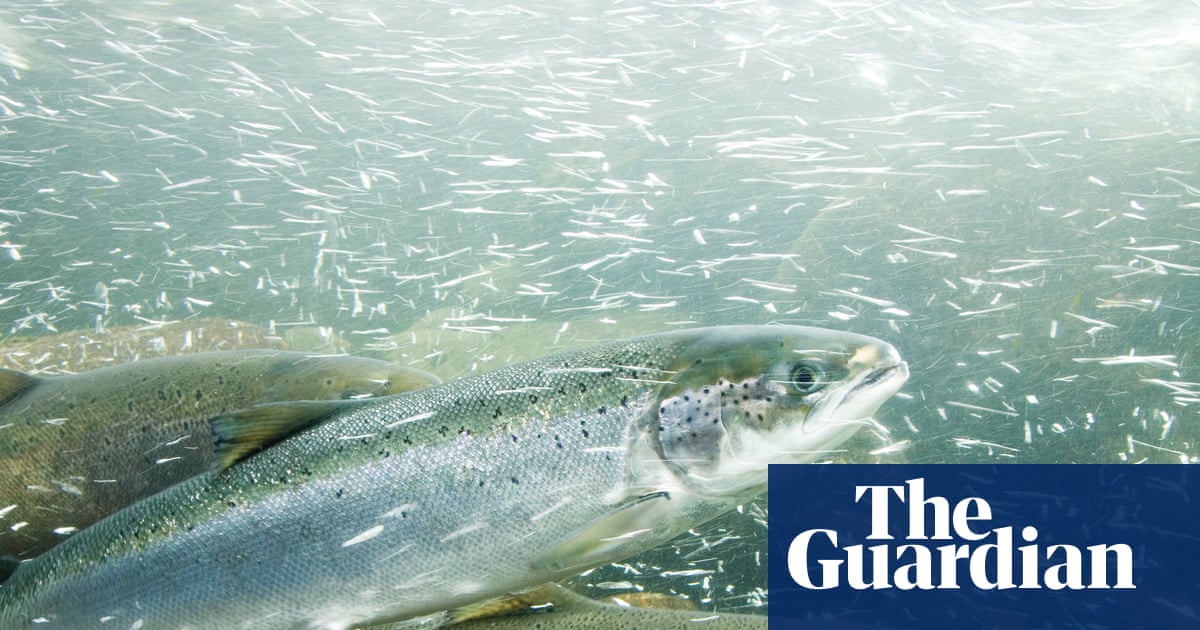
An international team led by researchers at the Swedish University of Agricultural Sciences has reported that trace levels of cocaine and its main metabolite, benzoylecgonine, change movement patterns of juvenile Atlantic salmon in the wild. Published in Current Biology (April 2026), the field experiment fitted 105 hatchery-reared two-year-old salmon (three groups of 35) with acoustic tags and slow‑release implants delivering environmentally realistic doses of cocaine, benzoylecgonine or no drug. Released into Lake Vättern, Sweden, the benzoylecgonine‑exposed fish swam up to 1.9 times farther per week (nearly 14 km) and dispersed roughly 12 km farther from the release site than controls; cocaine-exposed fish also showed elevated activity but to a lesser degree. Authors warn metabolites, which often occur at higher concentrations than parent drugs in wastewater, can be biologically active. The study raises concerns about altered energy budgets, increased predation risk and broader ecological consequences from human-derived drug pollution entering rivers and lakes via sewage overflows and inadequate wastewater treatment.
Explore more on NewsDigest