NewsDigestFollow

Microsoft pledges A$25 billion for Australian AI expansion

🏷️ Tech News🌍 Australia🔥 Trending🔗 14 sources63Digest ScoreiThis score reflects the story's reliability, bias neutrality, and public momentum.
Microsoft pledges A$25 billion for Australian AI expansion

📰 Full Story

Microsoft said on April 23, 2026 it will invest A$25 billion (about US$17.9 billion) in Australia by the end of 2029 to expand Azure AI supercomputing and cloud infrastructure, strengthen cybersecurity and boost AI skills training. The package — the company’s largest-ever commitment in Australia and building on a prior A$5 billion pledge in 2023 — includes plans to increase local Azure AI capacity by more than 140%, extend the Microsoft‑ASD Cyber‑Shield to additional government agencies, and train three million Australians in workforce-ready AI skills by 2028. The announcement, made in Sydney by CEO Satya Nadella alongside Prime Minister Anthony Albanese, is underpinned by a memorandum of understanding with the government. Analysts note the move is part of a broader global hyperscaler build‑out as rivals step up AI capex. Critics and local officials have flagged missing details on data‑centre locations, power sourcing, how much spending will stay in the domestic supply chain, and the likely number of permanent local jobs. NSW has launched scrutiny of the sector, with a parliamentary inquiry due to report in September 2026.
Google unveils split TPUs and enterprise agent platform

🏷️ Tech News🌍 United States🔗 27 sources78Digest ScoreiThis score reflects the story's reliability, bias neutrality, and public momentum.
Google unveils split TPUs and enterprise agent platform

📰 Full Story

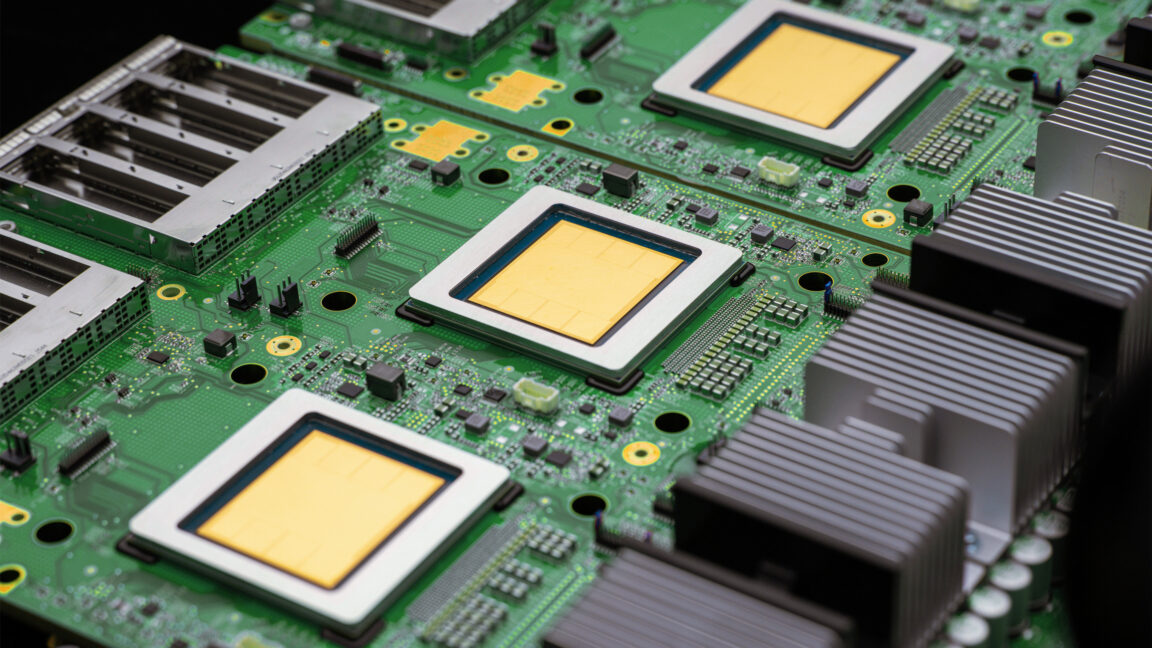
At Google Cloud Next in Las Vegas on April 22-23, 2026, Alphabet unveiled a major push across AI hardware and enterprise software: eighth-generation tensor processing units split into two purpose-built chips — TPU 8t for model training and TPU 8i for low-latency inference — and a unified Gemini Enterprise Agent Platform to build, run and govern AI agents. Google touted up to roughly 3x faster training and an 80% improvement in performance-per-dollar for inference versus prior generations, larger on-chip SRAM on the inference part (cited at 384MB), and superpod and cluster scaling capabilities (superpods of ~9,600 chips and architectures intended to interconnect far larger fleets). Design partners named include Broadcom and MediaTek, with reports of talks with Marvell to diversify suppliers; customers and partners cited include Anthropic, Meta and national labs. Google also announced tools such as Workspace Studio, Agent Designer, a 200+ model Model Garden (including Anthropic models), an A2A protocol for agent-to-agent communication, and a $750m fund to accelerate enterprise adoption. Google said it will continue to offer Nvidia hardware and is collaborating on networking improvements.

Tesla to Use Intel's 14A in Terafab Plan

🏷️ Tech News🌍 United States🔗 16 sources40Digest ScoreiThis score reflects the story's reliability, bias neutrality, and public momentum.
Tesla to Use Intel's 14A in Terafab Plan

📰 Full Story

Elon Musk said on April 22-23, 2026, that Tesla plans to use Intel’s next‑generation 14A semiconductor process to make chips for its Terafab project, making Tesla the first major external customer for the technology. Intel has joined Musk’s Terafab initiative alongside SpaceX to produce processors for vehicles, humanoid robots and space data centres. Musk also announced a roughly $3 billion research chip facility at Tesla’s Giga Texas campus to run a pilot line that would process a few thousand wafers a month; SpaceX would lead high‑volume manufacturing. Intel’s shares rose in after‑hours trading on the news. The move is framed as validation of Intel’s foundry efforts after years of yield and supply challenges; company leaders have said securing outside customers is crucial to sustaining their contract manufacturing push. Analysts and investors will watch production timing, yield performance for Intel’s 18A/14A nodes, who will fund and operate large‑scale fabs, and whether the Terafab plan involves licensing Intel technology or using Intel facilities.

French startup Univity raises €27m for VLEO constellation

🏷️ Tech News🌍 France🔗 6 sources39Digest ScoreiThis score reflects the story's reliability, bias neutrality, and public momentum.
French startup Univity raises €27m for VLEO constellation

📰 Full Story

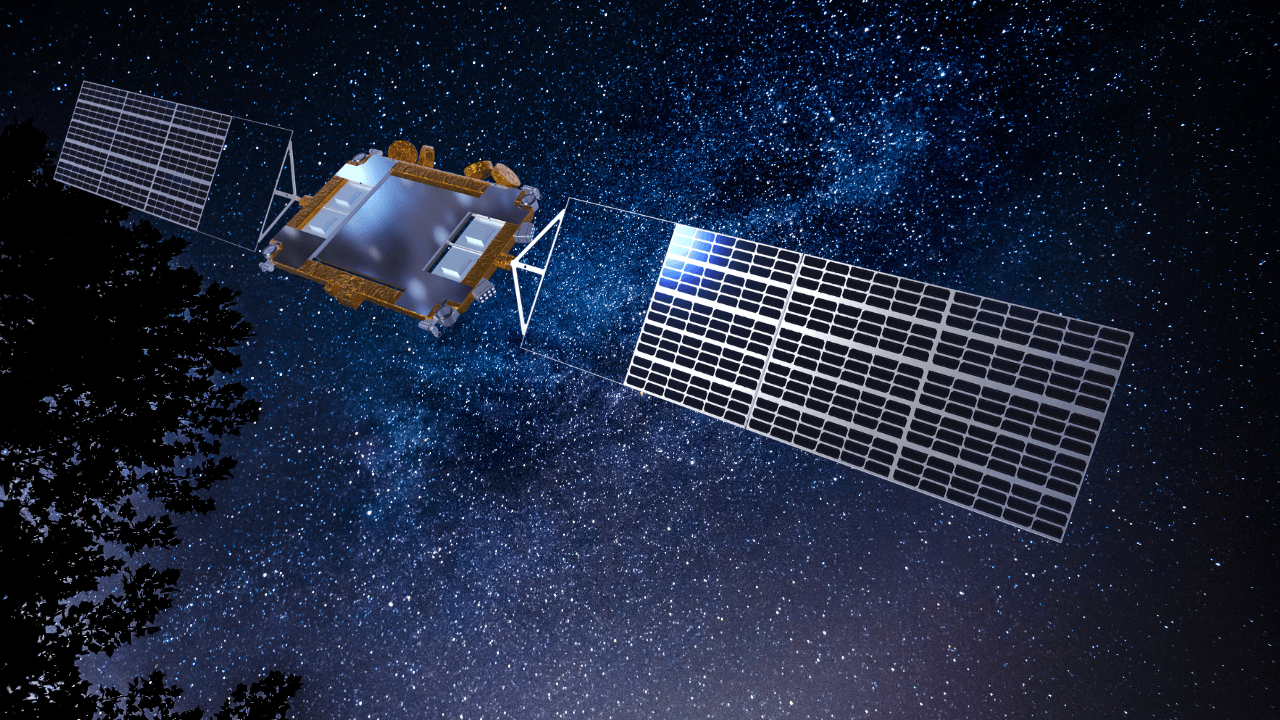
Paris-based satellite startup Univity said on April 23, 2026 it closed a €27 million Series A round, bringing total secured funding to about €68 million when combined with a prior €31 million contract from the French space agency CNES. Investors in the round include Bpifrance’s Deeptech 2030 fund, venture firm Blast, Expansion and two family offices. Founded in 2022, Univity is developing a very low Earth orbit (VLEO) wholesale network intended to sell space-based internet and mobile services to telecom operators rather than direct to consumers. The company plans a fleet of up to 3,400 satellites in VLEO (roughly 375 km altitude), has signed commercial agreements with 16 operators across four continents, and intends to manufacture satellites near Toulouse to control costs. Current funds will support building and launching its first two demonstration satellites in a 2027–28 timeframe and the uniShape VLEO 5G demonstrator, ahead of a planned scale-up from 2028 that would use infrastructure financing from large investors and operators. Univity positions itself as a European alternative to consumer-facing systems like Starlink and Amazon Kuiper.

Cloudsmith raises $72M to secure AI-era software

🏷️ Tech News🌍 United Kingdom🔥 Trending🔗 5 sources38Digest ScoreiThis score reflects the story's reliability, bias neutrality, and public momentum.
Cloudsmith raises $72M to secure AI-era software

📰 Full Story

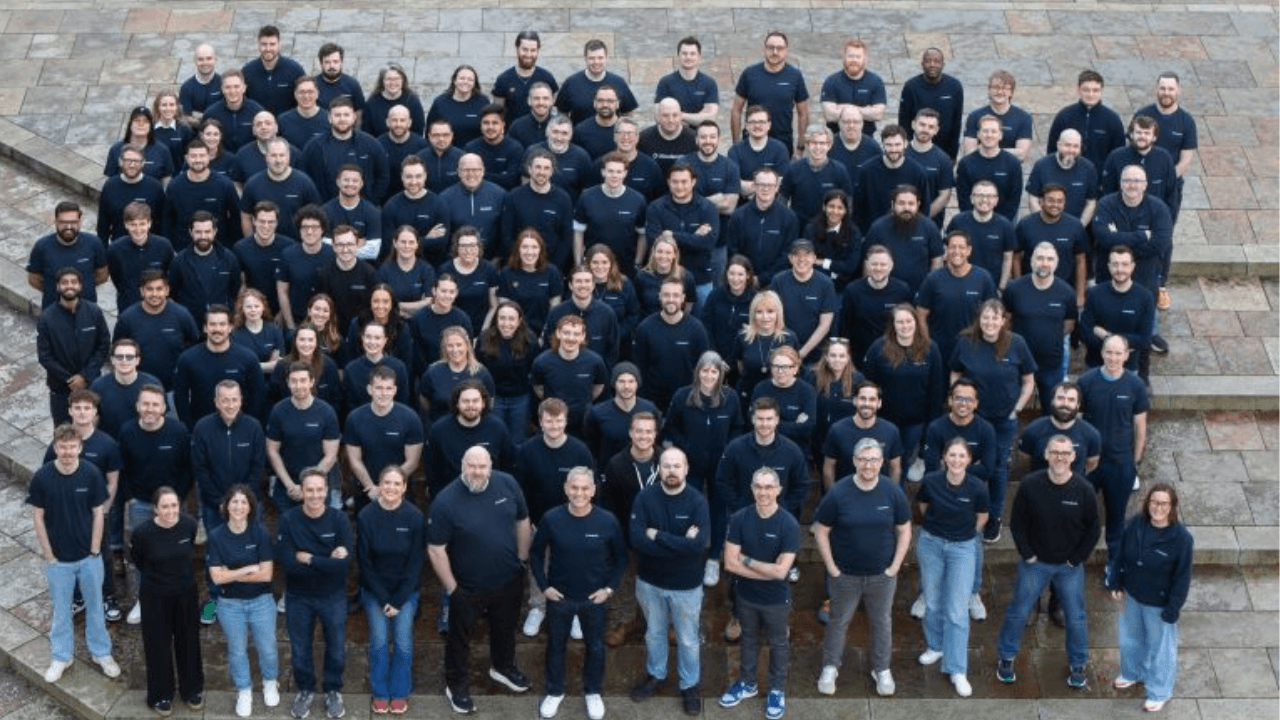
Belfast-based Cloudsmith has closed a $72 million (£53 million) Series C funding round led by California growth investor TCV, with participation from New York-based Insight Partners and existing backers. The financing — three times the size of the company’s March 2025 Series B — will be used to accelerate product development and expand go-to-market capabilities for Cloudsmith’s cloud-native artifact management platform. Founded in 2016 by Lee Skillen and Alan Carson and led by CEO Glenn Weinstein, the company serves many Fortune 500 and Global 2000 customers and reported strong year‑over‑year growth, with a large share of revenue from the US. Cloudsmith positions its platform as a governance and security layer for the surge in AI‑generated code and associated artifacts, offering features such as an ML model registry and policy-as-code enforcement. Investors say the funding reflects conviction that enterprises must modernise software supply‑chain controls as AI coding agents increase the volume and velocity of software artifacts.
Explore more on NewsDigest