

📰 Full Story
April 23-24, 2026 — U.S. President Donald Trump announced a three-week extension of a ceasefire between Israel and Lebanon after hosting envoys at the White House, while separate U.S.-Iran negotiations remain stalled.
Lebanon’s Hezbollah, not a party to the agreement, called the extension “meaningless” as exchanges of fire, Israeli strikes and drone activity continued in southern Lebanon; Lebanese authorities reported civilian deaths including the killing of journalist Amal Khalil.
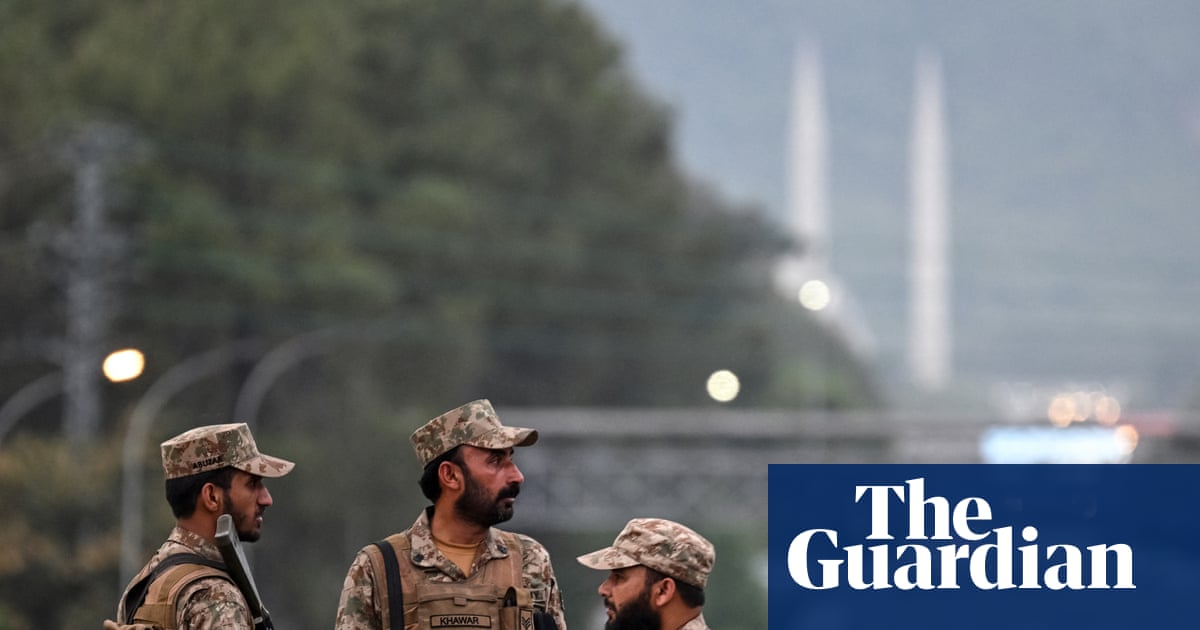
Parallel diplomacy was under way in Islamabad where Iran’s foreign minister Abbas Araqchi met regional partners and was expected to brief Pakistani mediators ahead of indirect U.S.-Iran talks; Trump is dispatching envoys Steve Witkoff and Jared Kushner to Pakistan.
The wider U.S.-Iran standoff has tightened around the Strait of Hormuz: Iran seized two container ships and displayed commandos boarding vessels, while Washington has enforced a naval blockade and seized tankers, and Trump ordered U.S. forces to “shoot and kill” small boats laying mines.
The disruptions pushed Brent above $105 a barrel and kept large swathes of global shipping and energy markets under strain.
🔗 Based On
🤝 Social Media Insights
Social Summary
Observers stress that mines and fast-boat tactics are effective chiefly by creating risk and perception of danger, which can block shipping without large numbers of weapons. That means maritime supply disruptions — and higher oil prices — can persist for weeks or months even if direct hostilities subside; some precise numerical and timing claims circulating alongside these analyses are unverified.


💬 Commentary