NewsDigestFollow

Leaked Pentagon memo suggests punishing NATO allies

🏷️ World News🌍 United States🔥 Trending🔗 50 sources88Digest ScoreiThis score reflects the story's reliability, bias neutrality, and public momentum.
Leaked Pentagon memo suggests punishing NATO allies

📰 Full Story

An internal Pentagon email reported by Reuters and other outlets on April 24 outlines options the United States could use to punish NATO allies seen as failing to support US operations in the war with Iran. The memo reportedly lists measures including seeking to suspend Spain from the alliance and reviewing longstanding US diplomatic backing for the United Kingdom’s claim to the Falkland Islands. Pentagon press secretary Kingsley Wilson said allies “were not there for us” and that the War Department would ensure the president had “credible options.” NATO officials stressed the alliance’s founding treaty contains no mechanism to suspend or expel members, while Spanish Prime Minister Pedro Sánchez dismissed the report and Britain reiterated that sovereignty over the Falklands “rests with the UK.” European leaders, including Italy’s Giorgia Meloni and EU foreign policy chief Kaja Kallas, urged unity and noted legal and political limits to any punitive steps. The leak has amplified transatlantic tensions already strained by the US‑Israeli campaign against Iran and disputes over access to bases and the Strait of Hormuz.

🤝 Social Media Insights

Social Summary
1 / 5
Public reaction corrects the geographic impact of any Hormuz disruption and underscores a broader, actionable trend: countries are actively building alternatives to U.S. financial and supply‑chain dominance, a shift that commenters warn could lead to long‑term decoupling and diminished U.S. influence.
U.S., Iran hold indirect talks via Pakistan amid Hormuz standoff

🏷️ World News🌍 Pakistan🔗 229 sources88Digest ScoreiThis score reflects the story's reliability, bias neutrality, and public momentum.
U.S., Iran hold indirect talks via Pakistan amid Hormuz standoff

📰 Full Story

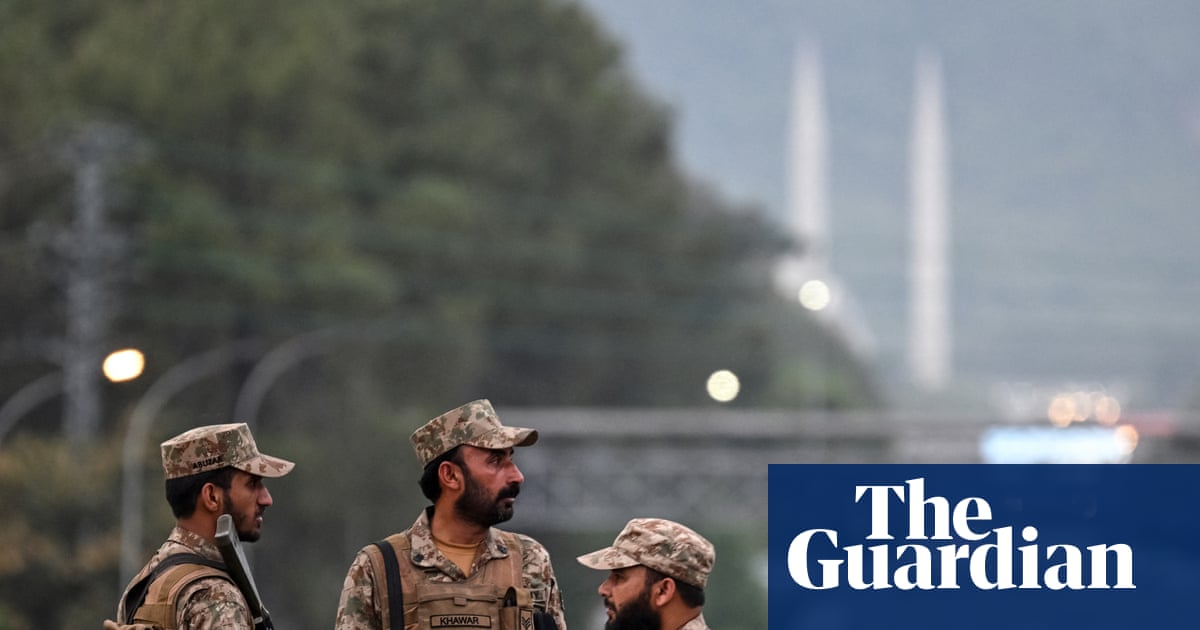
Iranian Foreign Minister Abbas Araqchi travelled to Islamabad on April 24 for consultations as Pakistan mediators prepared to pass Tehran’s proposals to Washington, raising hopes of restarting indirect peace talks to end the eight‑week war. The White House said President Donald Trump was dispatching special envoys Steve Witkoff and Jared Kushner to Islamabad on Saturday, with Vice‑President JD Vance on standby; U.S. officials stressed talks remain tentative. The diplomatic push comes against a tense backdrop: Iran has tightened control over the Strait of Hormuz, seizing two vessels and using small fast boats and mines to choke traffic, while the U.S. has mounted a naval blockade and seized tankers it says carried Iranian crude. Trump ordered U.S. forces to “shoot and kill” boats laying mines, and Pentagon assessments suggest mine clearance could take months. Separately, Trump brokered a three‑week extension of an Israel‑Lebanon ceasefire at the White House, though Hezbollah dismissed the move as “meaningless” and occasional strikes and drone engagements continued. Markets reacted: oil prices spiked on reports of air defences over Tehran and fears of prolonged shipping disruption, adding to global economic uncertainty.

Trump brokers Israel-Lebanon ceasefire amid Hormuz standoff

🏷️ World News🔗 222 sources79Digest ScoreiThis score reflects the story's reliability, bias neutrality, and public momentum.
Trump brokers Israel-Lebanon ceasefire amid Hormuz standoff

📰 Full Story

April 23-24, 2026 — U.S. President Donald Trump announced a three-week extension of a ceasefire between Israel and Lebanon after hosting envoys at the White House, while separate U.S.-Iran negotiations remain stalled. Lebanon’s Hezbollah, not a party to the agreement, called the extension “meaningless” as exchanges of fire, Israeli strikes and drone activity continued in southern Lebanon; Lebanese authorities reported civilian deaths including the killing of journalist Amal Khalil. Parallel diplomacy was under way in Islamabad where Iran’s foreign minister Abbas Araqchi met regional partners and was expected to brief Pakistani mediators ahead of indirect U.S.-Iran talks; Trump is dispatching envoys Steve Witkoff and Jared Kushner to Pakistan. The wider U.S.-Iran standoff has tightened around the Strait of Hormuz: Iran seized two container ships and displayed commandos boarding vessels, while Washington has enforced a naval blockade and seized tankers, and Trump ordered U.S. forces to “shoot and kill” small boats laying mines. The disruptions pushed Brent above $105 a barrel and kept large swathes of global shipping and energy markets under strain.

🤝 Social Media Insights

Social Summary
1 / 5
Commentary highlights two themes: the seizures are being treated as a de facto blockade with immediate oil-supply and insurance consequences, and the U.S. Navy leadership change follows scrutiny of a civilian appointee’s qualifications confirmed by reporting.

US Justice Department readopts firing squads, electrocution, gas

🏷️ World News🌍 United States🔥 Trending🔗 24 sources71Digest ScoreiThis score reflects the story's reliability, bias neutrality, and public momentum.
US Justice Department readopts firing squads, electrocution, gas

📰 Full Story

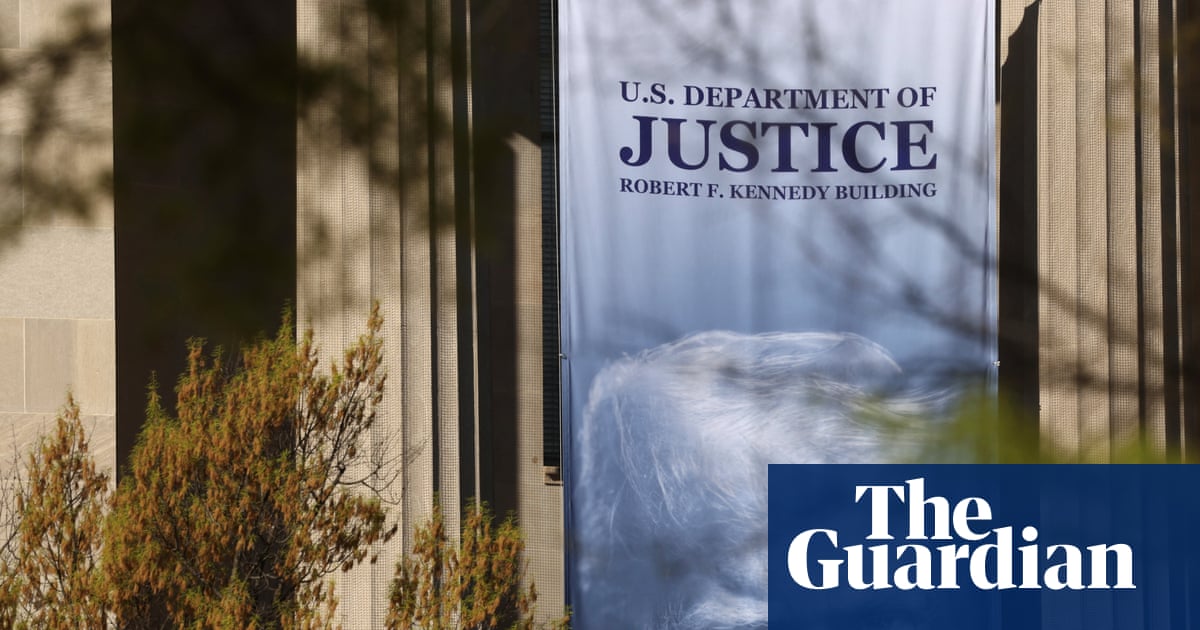
The U.S. Department of Justice announced on April 24, 2026 it will expand federal execution protocols to include firing squads, electrocution and gas asphyxiation and readopt single-drug lethal injection using pentobarbital. The move, set out in a DOJ report and directed to the Bureau of Prisons, follows difficulties obtaining drugs used in lethal injections and fulfills President Donald Trump’s pledge to resume and accelerate federal capital punishment. The department said it has rescinded the Biden-era moratorium and has authorized seeking death sentences against dozens of defendants, with several authorizations already issued. The DOJ also plans to streamline internal reviews, consider rules to limit clemency and habeas petition delays, and explore expanding federal death row or facilities to permit multiple execution methods. The announcement highlights enduring legal disputes: condemned inmates can mount Eighth Amendment “cruel and unusual” challenges, and pharmaceutical firms continue to refuse supplying execution drugs, citing ethical and regulatory constraints.

🤝 Social Media Insights

Social Summary
1 / 5
The comments add that expanding execution methods responds to drug shortages and medical refusals, shifting the burden to nonmedical actors and raising operational, ethical and legal challenges. That shift is likely to provoke lawsuits, recruitment problems and intensified political debate.

Appeals Court Blocks Trump's Border Asylum Ban

🏷️ World News🌍 United States🔗 11 sources62Digest ScoreiThis score reflects the story's reliability, bias neutrality, and public momentum.
Appeals Court Blocks Trump's Border Asylum Ban

📰 Full Story

WASHINGTON — A three-judge panel of the U.S. Court of Appeals for the District of Columbia Circuit on April 24 ruled that President Donald Trump’s January 20, 2025 executive order suspending asylum access at the southern border is unlawful, blocking key parts of the administration’s removal procedures. Judge J. Michelle Childs wrote for the majority, finding that the Immigration and Nationality Act does not permit the president to override statutory removal and asylum-adjudication safeguards or bar people physically present in the United States from applying for asylum. The panel affirmed a lower-court ruling by Judge Randolph Moss and held that Department of Homeland Security guidance enabling summary “direct repatriation” or expedited removals exceeded executive authority. Judge Justin Walker issued a partial dissent; Judge Cornelia Pillard joined the majority. The administration said it strongly disagrees and may seek rehearing en banc or appeal to the Supreme Court. Civil-rights groups including the ACLU and Las Americas welcomed the decision as protecting asylum seekers’ rights. The ruling restores access to asylum procedures for migrants already inside the U.S. while leaving presidential authority over entry at ports of entry intact pending further review.

Netanyahu reveals successful prostate cancer treatment

🏷️ World News🌍 Israel🔥 Trending🔗 27 sources59Digest ScoreiThis score reflects the story's reliability, bias neutrality, and public momentum.
Netanyahu reveals successful prostate cancer treatment

📰 Full Story

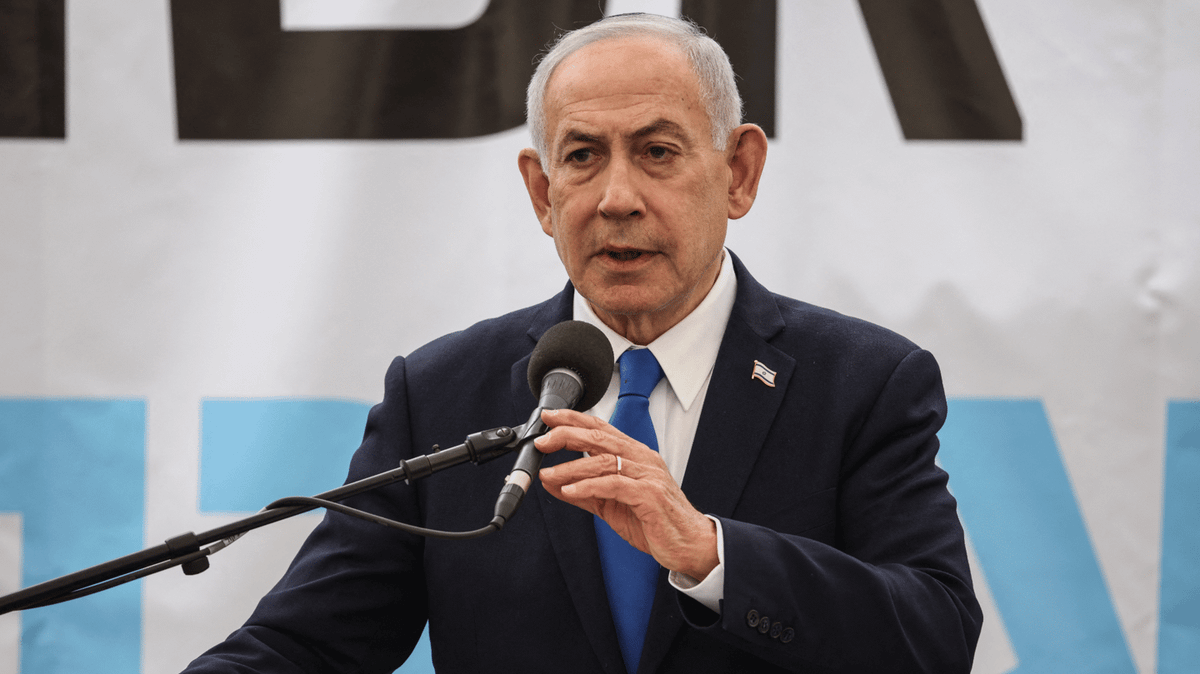
Israeli Prime Minister Benjamin Netanyahu disclosed on April 24, 2026, that he received successful treatment for an early-stage malignant prostate tumour discovered during routine follow-up after surgery for benign prostate enlargement. The 76-year-old said the lesion — described in medical reports as under one centimetre — was treated with targeted radiation therapy and follow-up imaging and blood tests showed no evidence of disease. Netanyahu’s annual medical report, dated April 20, was released after he asked officials to delay its publication by two months to avoid giving Iran “propaganda” material amid the Israel–Iran war that began on Feb. 28. Hadassah Medical Center oncologist Aharon Popovtzer and the hospital have confirmed the diagnosis and said the treatment was completed and successful. Netanyahu said he continued working during the short treatment period and remains in “excellent physical condition.” The announcement comes as he prepares for an upcoming White House visit and faces an October election at home while overseeing multiple regional conflicts and fragile ceasefires.

🤝 Social Media Insights

Social Summary
1 / 5
Comments add medical context—prostate cancer is commonly indolent and often caught early—supporting the view that Netanyahu’s prognosis is reassuring and likely to limit political upheaval, while noting speculative succession risks without concrete debunks.
Explore more on NewsDigest