

📰 Full Story
The Eta Aquarid meteor shower, produced by debris from Halley’s Comet, reaches its broad peak overnight on May 5–6, 2026.
The shower is active from April 19 to May 28, with the best viewing during the pre-dawn hours when the radiant in Aquarius climbs highest.
Observers in the Southern Hemisphere and tropical latitudes can see the most activity — under ideal, dark-sky conditions rates may reach 50–60 meteors per hour — while northern-hemisphere viewers typically see far fewer, often around 10 per hour or less.
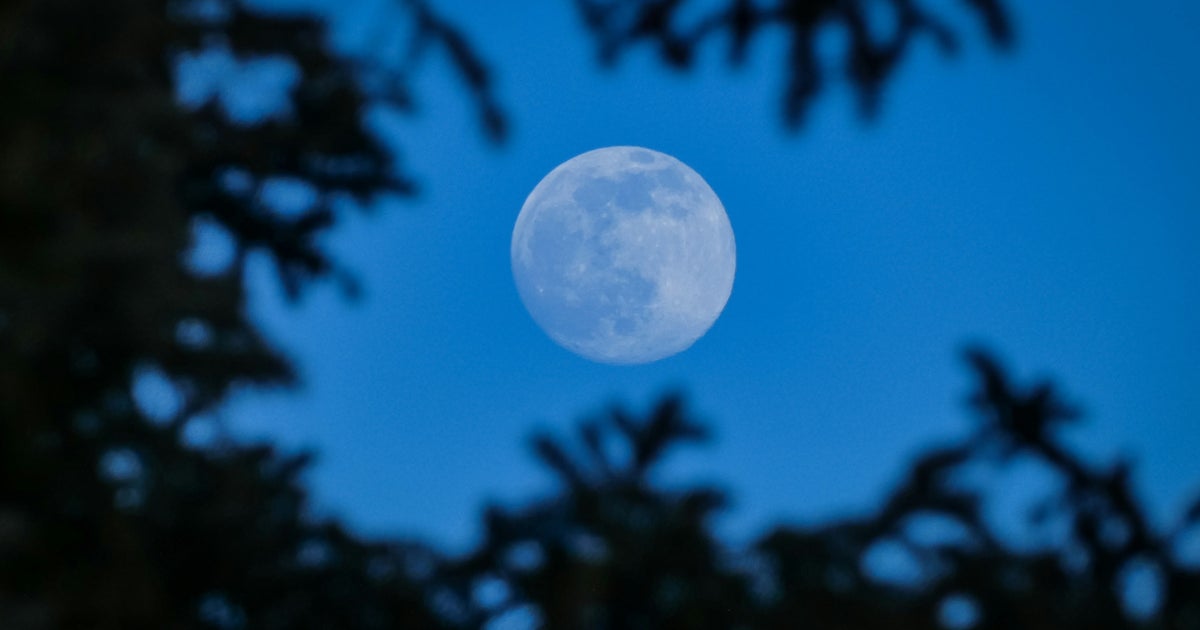
Viewing in 2026 will be hampered by a bright waning gibbous moon (roughly 81–84% illuminated) that rises after midnight and will wash out many fainter meteors.
For those unable to travel, multiple free livestreams from sites including Chile’s Atacama, Mauna Kea (Hawaii), New Zealand, Japan and the U.K. provide remote viewing.
Simple tips: head to a dark location, give your eyes 20–30 minutes to adapt, face away from the Moon toward the eastern horizon before dawn, and allow at least an hour for intermittent bursts.
The shower often produces bright, long-persisting “Earthgrazers,” and activity will taper through late May.
🔗 Based On
🕰️ The Story So Far: An Evolving Timeline
Tuesday, May 5, 2026 17:51 UTC
Eta Aquarid meteor shower peaks May 6
Saturday, May 2, 2026 11:36 UTC
Eta Aquariid Meteor Shower Peaks Amid Bright Moon


💬 Commentary