NewsDigestFollow

Curiosity Rover Freed After Mars Rock Stuck Drill

🏷️ Science & Space🔥 Trending🔗 3 sources29Digest ScoreiThis score reflects the story's reliability, bias neutrality, and public momentum.
Curiosity Rover Freed After Mars Rock Stuck Drill

📰 Full Story

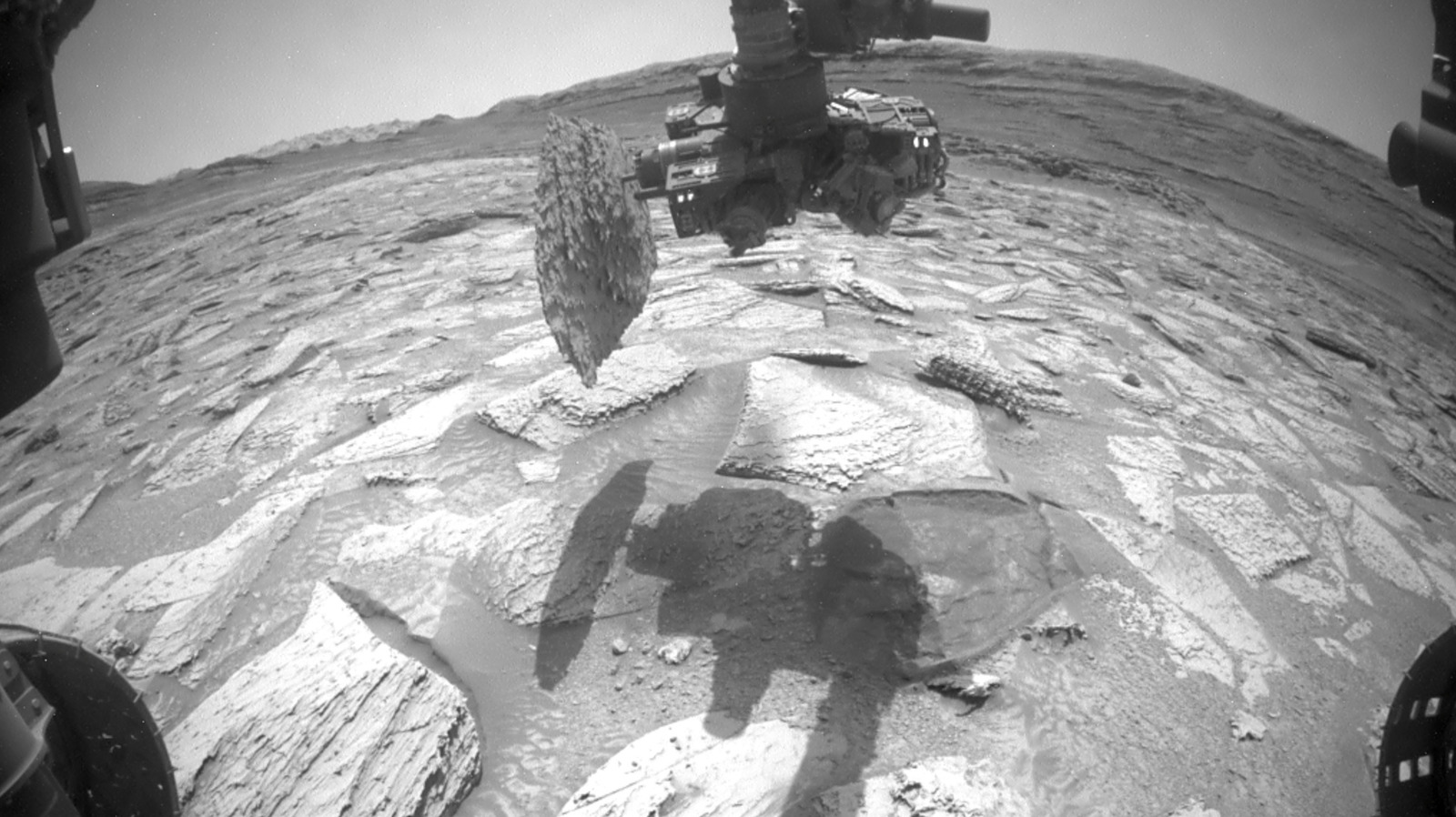
NASA’s Curiosity rover became momentarily immobilised by a clingy Martian rock during a routine sampling attempt at the end of April. On April 25 the rover drilled into a slab nicknamed “Atacama” — roughly 1.5 feet across, about six inches thick and some 28–29 pounds — and when the arm retracted the rock remained attached to the drill sleeve, an outcome NASA says had not occurred in the rover’s long mission. Controllers at JPL spent five to six days troubleshooting remotely, constrained by 30–45 minute Mars–Earth signal delays. Teams used sequences of drill vibration, rotation, greater tilt and spinning to free the rock; it finally fell away and shattered on May 1. Hazard-camera and other imagery released by NASA and publicised in media outlets captured the event as GIFs and stitched black-and-white frames. Curiosity was not harmed and has resumed science tasks; the rover, operating since 2012, continues to collect rock powder for onboard instruments such as SAM and CheMin.
NASA awards nearly $1 billion for Moon hardware

🏷️ Science & Space🌍 United States🔗 5 sources14Digest ScoreiThis score reflects the story's reliability, bias neutrality, and public momentum.
NASA awards nearly $1 billion for Moon hardware

📰 Full Story

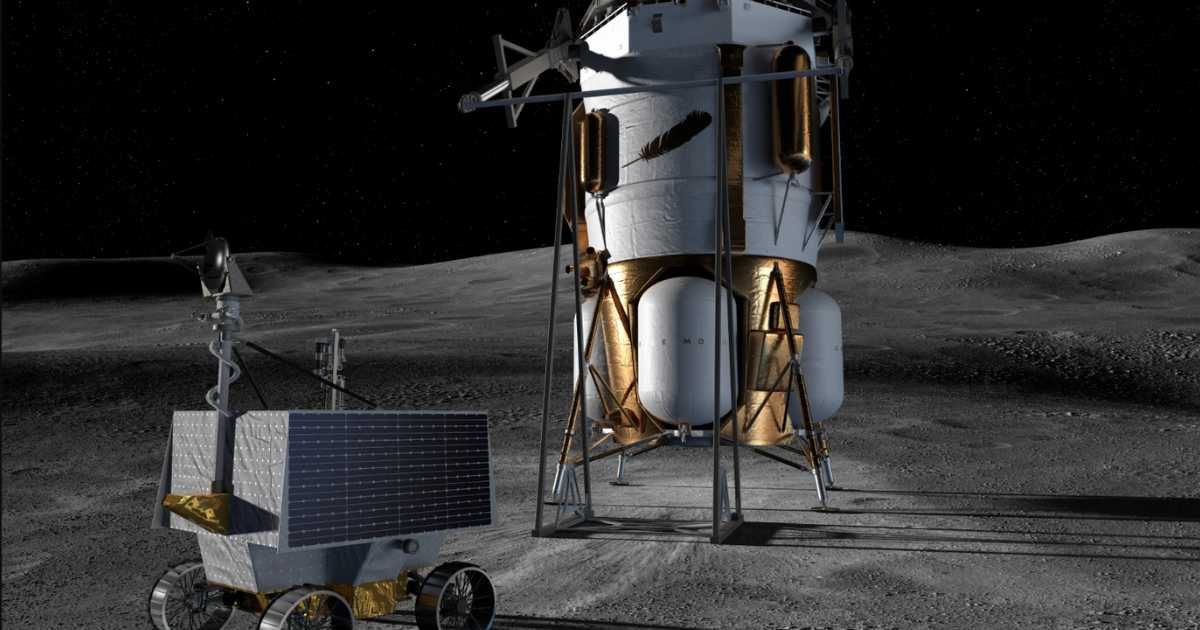
NASA on May 26, 2026 began buying the hardware it says is needed to lay groundwork for a sustained human presence on the Moon, awarding roughly $900 million to $1 billion in task orders to U.S. commercial firms. Under the Lunar Terrain Vehicle Services (LTVS) program the agency gave Astrolab about $219 million and Lunar Outpost roughly $220 million to develop competing crewed/autonomous rovers (Astrolab’s CLV-1 and Lunar Outpost’s Pegasus) intended to operate at the lunar south pole with range requirements of about 125 miles and delivery targeted for 2028. Blue Origin received a Commercial Lunar Payload Services (CLPS) cargo task order valued at about $188 million with options worth roughly $280 million to deliver infrastructure, and Firefly Aerospace and other partners were tapped to support drone and delivery work. NASA said three iterative uncrewed “Moon Base” missions and a series of cargo deliveries are planned this year to begin emplacement of rovers, drones and science payloads near permanently shadowed regions where water ice and near-constant sunlight make long-duration operations possible.

China's Shenzhou 21 crew returns after 210-day mission

🏷️ Science & Space🌍 China🔗 4 sources11Digest ScoreiThis score reflects the story's reliability, bias neutrality, and public momentum.
China's Shenzhou 21 crew returns after 210-day mission

📰 Full Story

China’s Shenzhou 21 crew safely returned to Earth on May 29, touching down at the Dongfeng landing site in Inner Mongolia after a 210-day stay aboard the Tiangong space station — the longest single Chinese crewed mission to date. Mission commander Zhang Lu, flight engineer Wu Fei and payload specialist Zhang Hongzhang completed three spacewalks and a programme of experiments in microgravity, materials science, life sciences and aerospace medicine. The trio returned in a different capsule than the one that launched them after a debris-related crack was found in the Shenzhou 20 vehicle; China launched an uncrewed replacement (Shenzhou 22) in November that later brought the Shenzhou 21 crew home. The handover to the Shenzhou 23 team, which arrived on May 24, was completed ahead of one crew member from that mission slated to remain aboard Tiangong for a year. Zhang Lu now holds a Chinese record of seven spacewalks across missions.

Blue Origin New Glenn explodes during hotfire test

🏷️ Science & Space🌍 United States🔥 Trending🔗 107 sources9Digest ScoreiThis score reflects the story's reliability, bias neutrality, and public momentum.
Blue Origin New Glenn explodes during hotfire test

📰 Full Story

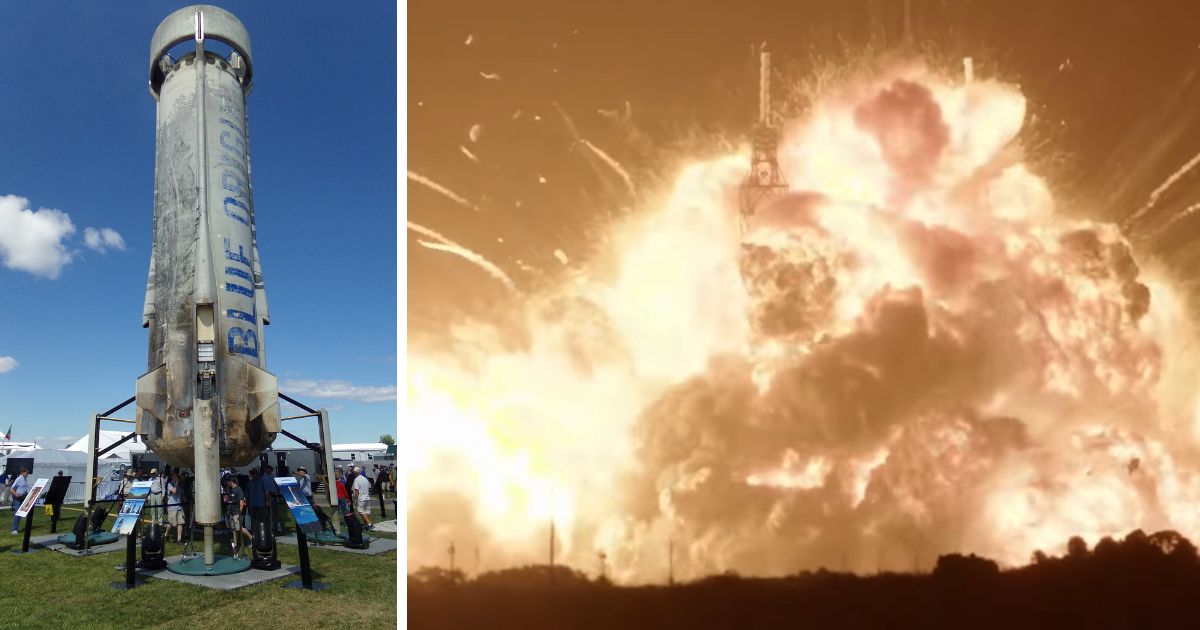
Blue Origin’s 98-metre New Glenn rocket exploded in a massive fireball during a hot-fire engine test at Cape Canaveral Space Force Station on the night of May 28, 2026. Video shows the vehicle erupting and parts of Launch Complex 36 sustaining heavy damage; authorities said no personnel were injured and all were accounted for. The rocket was being prepared for a June mission to deploy 48 Amazon Leo broadband satellites, which were not onboard at the time. The Federal Aviation Administration and U.S. Space Force are aware and Blue Origin and NASA have launched an investigation. The incident comes days after NASA awarded Blue Origin contracts tied to Artemis lunar missions and surface rovers, and follows earlier New Glenn flight anomalies that prompted a recent FAA probe. Blue Origin warned debris could wash ashore and advised the public not to handle any wreckage. Company founder Jeff Bezos and NASA administrator Jared Isaacman pledged a thorough review; Elon Musk and other industry figures responded publicly. Initial analysis points to a first-stage area near the BE-4 engines but the root cause remains unknown.

🤝 Social Media Insights

Social Summary
1 / 5
The explosion occurred during a cleared static-fire test and primarily involved methane/oxygen propulsion. The main operational impact is damage to launch infrastructure and loss of hardware, which will likely delay New Glenn missions and associated commercial and NASA schedules for months.

Rare blue micromoon rises May 30–31

🏷️ Science & Space🔥 Trending🔗 14 sources7Digest ScoreiThis score reflects the story's reliability, bias neutrality, and public momentum.
Rare blue micromoon rises May 30–31

📰 Full Story

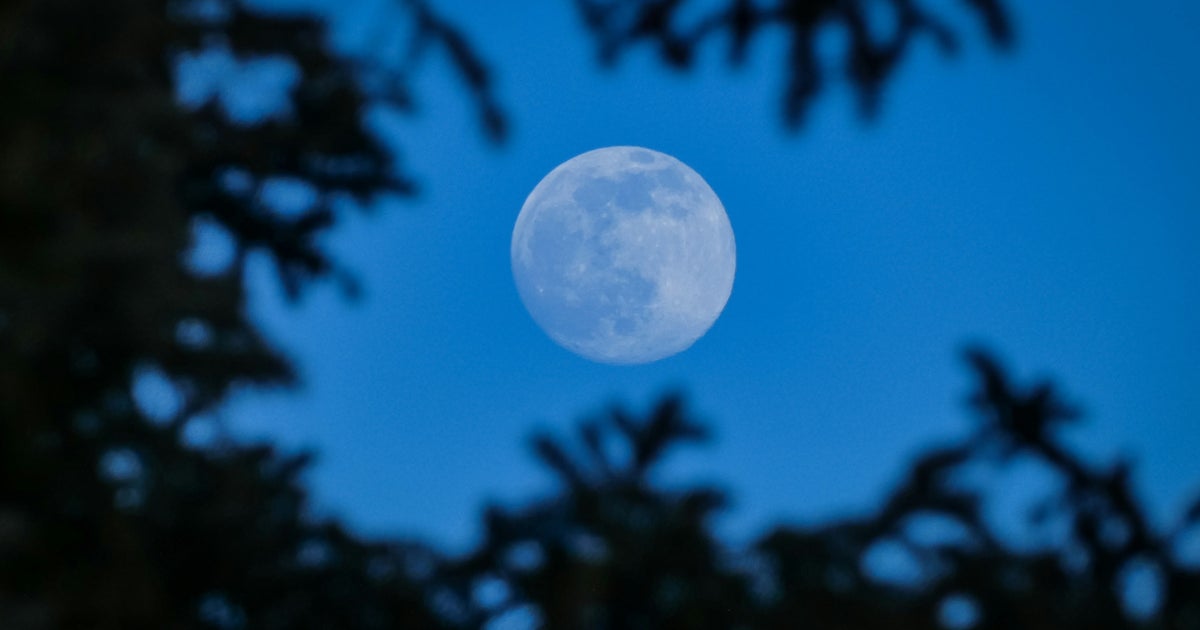
A rare ‘blue micromoon’ — the second full moon in May that also occurs near lunar apogee — will be visible across much of the globe on the night of May 30 into May 31, 2026. The moon reaches peak illumination at 4:45 a.m. EDT (08:45 GMT) on May 31 and, because it is almost at its farthest orbital point, will be the smallest full moon of 2026. Observers are expecting an apparent shrinkage of roughly 6% in diameter and a dimming near 10% compared with an average full moon; the lunar distance at fullness is about 252,360 miles (≈406,000 km). Skywatchers in many regions can view the event at moonrise around dusk (local times vary). Southern hemisphere viewers in places such as Argentina, Chile, New Zealand and eastern Australia may also witness the moon occulting the bright red star Antares for a short interval. Several outlets and the Virtual Telescope Project are streaming the event, and photographers and amateur astronomers are planning targeted observations during moonrise and the hours around peak fullness.

Pigeons' internal compass traced to liver immune cells

🏷️ Science & Space🌍 Germany🔥 Trending🔗 6 sources4Digest ScoreiThis score reflects the story's reliability, bias neutrality, and public momentum.
Pigeons' internal compass traced to liver immune cells

📰 Full Story

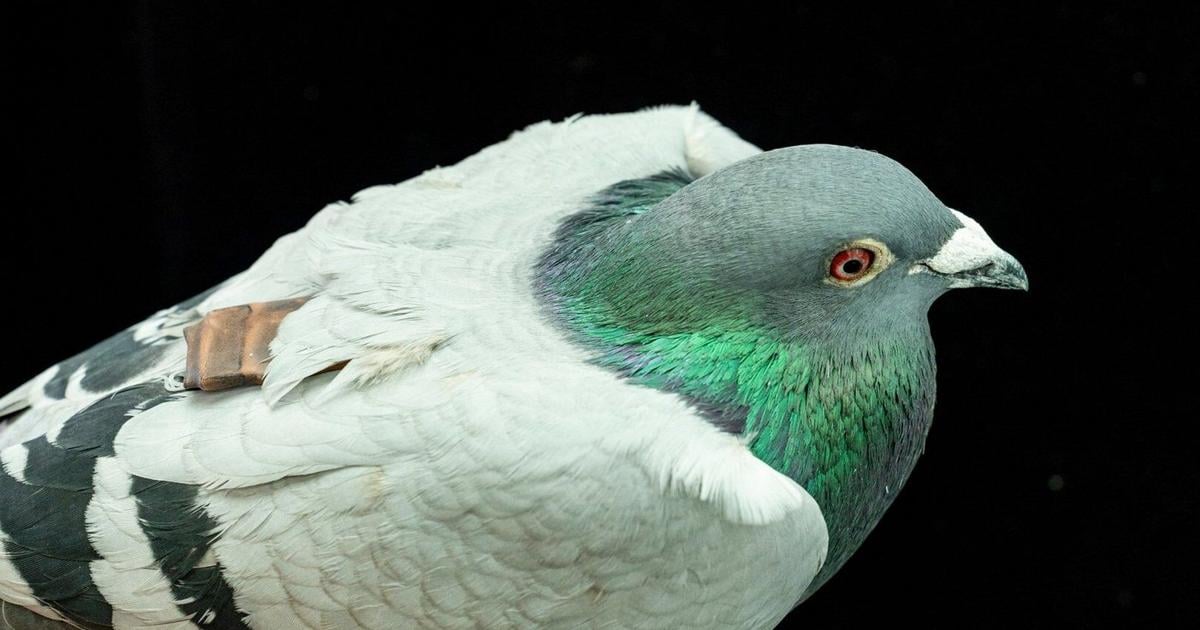
A multinational team led by researchers at the Max Planck Institute of Animal Behavior and the University of Bonn reports that homing pigeons may use iron-laden immune cells in their livers as a magnetic compass. Published May 28 in Science, the study found millions of ferritin-rich macrophages clustered near nerve fibers in pigeon livers. In behavioural trials, 34 trained pigeons were taken 19 kilometres from their home and released on overcast days after half the birds received a treatment that transiently depletes liver macrophages. Birds with intact macrophages homed in roughly 70 minutes; treated birds became disoriented and did not reliably return until sunlight reappeared. The work complements earlier hypotheses involving eye proteins or beak magnetite by identifying a different, unexpected tissue and offers a mechanistic link—iron-filled immune cells—that could transduce magnetic information to the nervous system. Authors note important gaps remain, including how macrophage signals reach the brain and whether other species share the same system.
Explore more on NewsDigest