
NewsDigestFollow

Trump Orders Federal Agencies to 'Buy American'

šŸ·ļø Finance & EconomicsšŸŒ United StatesšŸ”— 3 sources28Digest ScoreiThis score reflects the story's reliability, bias neutrality, and public momentum.
Trump Orders Federal Agencies to 'Buy American'

šŸ“° Full Story

President Donald Trump on May 10-11, 2026 renewed a high-profile push for federal procurement to prioritise U.S.-made goods, telling agencies on Truth Social that "ALL FEDERAL AGENCIES MUST BUY AMERICAN — NO EXCUSES." The administration said it is tightening enforcement of existing "Made in America" statutes, seeking to curb the use of waivers that allow purchases of foreign products and to crack down on false "Made in America" claims. In March the president signed an executive order directing the Federal Trade Commission to step up enforcement against misleading origin labels; the administration says it will coordinate procurement and enforcement agencies and is reviewing longstanding exceptions used in infrastructure, defence and specialised buys. Officials have not announced immediate changes to waiver criteria or new formal rulemaking; administration action could take the form of internal guidance from the Office of Management and Budget, tougher agency reviews of waivers, or referrals for enforcement. The move echoes earlier Trump-era orders and ties into broader efforts to encourage reshoring of automotive and industrial production through procurement leverage and investment conditions.
Markets wobble as oil falls on Iran peace hopes

šŸ·ļø Finance & EconomicsšŸŒ IranšŸ”„ TrendingšŸ”— 44 sources78Digest ScoreiThis score reflects the story's reliability, bias neutrality, and public momentum.
Markets wobble as oil falls on Iran peace hopes

šŸ“° Full Story

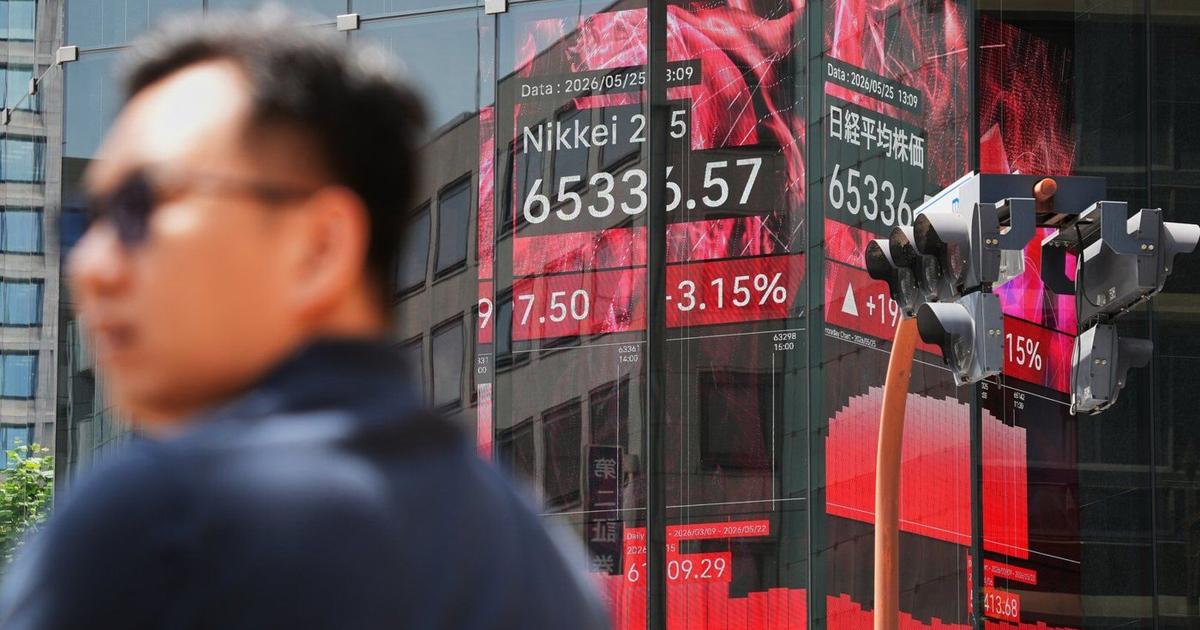
Global markets swung on May 25-26, 2026 as investor optimism that the United States and Iran may reach a memorandum to reopen the Strait of Hormuz pushed Brent crude below $100 a barrel and sent risk assets higher, while fresh U.S. strikes in southern Iran briefly reversed gains. Reports said Iranian negotiators were in Doha for talks and U.S. officials described negotiations as progressing, though both Washington and Tehran cautioned that key issues remain unresolved. Brent traded around $97–98 a barrel and U.S. WTI near the low $90s after multi‑percent intraday moves; the dollar eased against major peers but later steadied amid safe‑haven flows, with the dollar/yen near 159. Markets treated the headlines as reducing the extreme tail risk around energy, yet analysts warned that normalising flows through Hormuz and repairing damaged facilities will take months, keeping inflation and central‑bank rate concerns intact. Oil‑related supply dynamics lifted U.S. rig counts, while Asian and European equity moves were mixed as traders parsed sporadic diplomatic and military developments.

India raises petrol, diesel and CNG prices

šŸ·ļø Finance & EconomicsšŸŒ IndiašŸ”— 13 sources44Digest ScoreiThis score reflects the story's reliability, bias neutrality, and public momentum.
India raises petrol, diesel and CNG prices

šŸ“° Full Story

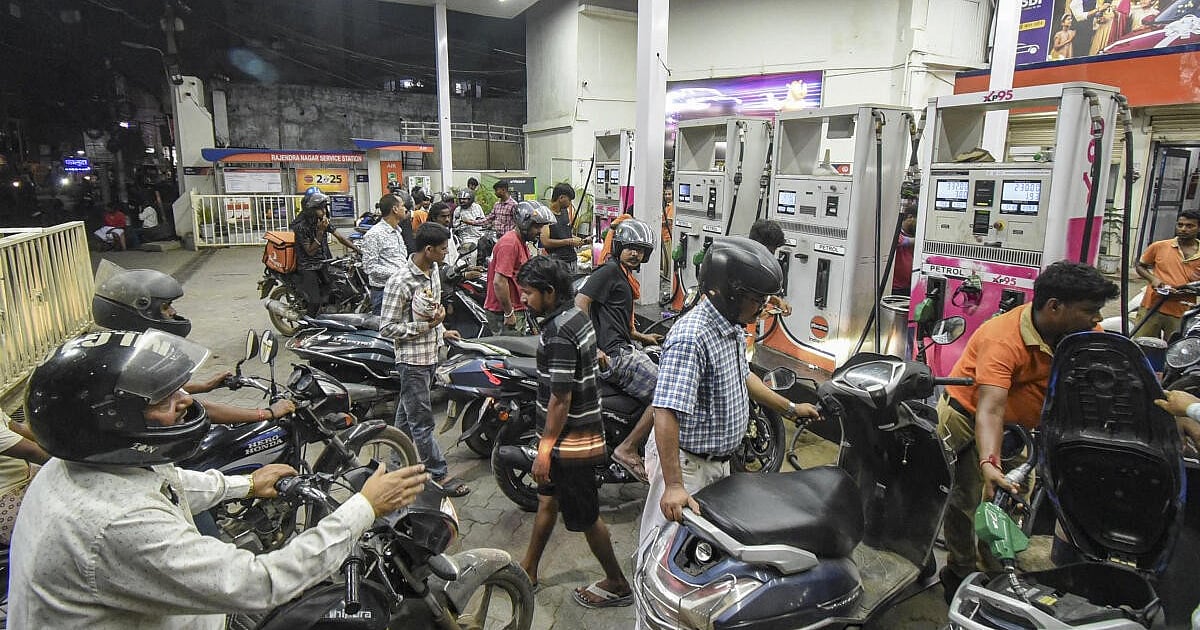
India’s state-owned fuel retailers raised petrol and diesel pump prices for the fourth time since mid-May, and city gas distributors increased compressed natural gas (CNG) rates, as companies passed on higher global energy costs driven by the Iran war and supply disruptions around the Strait of Hormuz. On May 25 state oil firms raised petrol by ₹2.61 per litre and diesel by ₹2.71 per litre; petrol in New Delhi rose to ₹102.12/litre and diesel to ₹95.20/litre, after cumulative increases since May 15 of about 7.8% for petrol and 8.6% for diesel, Reuters reported. On May 26 distributors including Indraprastha Gas implemented a fourth CNG hike in under two weeks, taking Delhi CNG to ₹83.09 per kg. The repeated revisions have driven short-term spikes in city gas and oil marketing stocks (Indraprastha Gas, Mahanagar Gas, Adani Total Gas and ONGC saw gains) and prompted concerns about higher commuting costs, rising logistics bills and inflationary pressure across India.

TSMC rally lifts Taiwan above India in market value

šŸ·ļø Finance & EconomicsšŸŒ TaiwanšŸ”„ TrendingšŸ”— 9 sources43Digest ScoreiThis score reflects the story's reliability, bias neutrality, and public momentum.
TSMC rally lifts Taiwan above India in market value

šŸ“° Full Story

On May 25-26, 2026 Taiwan’s stock market overtook India to become the world’s fifth-largest by market capitalisation, rising to about $4.95 trillion versus India’s $4.92 trillion, according to Bloomberg data. The shift is concentrated: Taiwan Semiconductor Manufacturing Co. (TSMC) has surged roughly 49% this year and now represents about 42% of the Taiwan benchmark index. Regulators in Taipei in April raised the cap on single-stock holdings for funds focused on domestic equities to 25% (from 10%), a change JPMorgan estimates could attract more than $6 billion of inflows. Global investors have rotated into AI- and semiconductor-linked markets, selling nearly $24 billion of Indian equities year-to-date; India’s main index is down about 8% and its MSCI emerging-markets weight has fallen from ~19% to ~12%. Additional TSMC-related developments reported this week include company reassurances after staff welfare-cut rumours and signs of intensified competition as Huawei explores alternative chip strategies — each highlighting operational and strategic risks for the semiconductor leader.

Altman says AI unlikely to trigger jobs apocalypse

šŸ·ļø Finance & EconomicsšŸŒ AustraliašŸ”— 4 sources35Digest ScoreiThis score reflects the story's reliability, bias neutrality, and public momentum.
Altman says AI unlikely to trigger jobs apocalypse

šŸ“° Full Story

OpenAI chief executive Sam Altman told a Commonwealth Bank of Australia conference in Sydney on May 26, 2026, that rapid advances in artificial intelligence were unlikely to cause a global ā€œjobs apocalypse.ā€ Altman said OpenAI’s technical forecasts since launching ChatGPT in 2022 had been broadly accurate but that the social and economic consequences had unfolded differently than he expected. He said he was ā€œdelighted to be wrongā€ about large-scale elimination of entry-level white-collar roles, noting a persistent ā€œhuman partā€ of many jobs after experimenting with AI to handle messages. Altman did not cite employment data. His remarks come as a number of global firms — including HSBC, Amazon, Standard Chartered, Meta and some Australian companies — have announced AI-driven role reductions, and as Australia’s WiseTech has faced violent threats amid job cuts. Reuters has also reported OpenAI is preparing a confidential U.S. IPO filing, adding market interest to the comments.

Kingfisher reports sales dip but holds guidance

šŸ·ļø Finance & EconomicsšŸŒ United KingdomšŸ”— 3 sources34Digest ScoreiThis score reflects the story's reliability, bias neutrality, and public momentum.
Kingfisher reports sales dip but holds guidance

šŸ“° Full Story

Kingfisher, owner of B&Q and Screwfix, reported a modest slowdown in trading on May 26 as a late start to spring weighed on footfall and seasonal demand. The FTSE 100 group said first‑quarter underlying sales fell around 0.7%, with like‑for‑like sales for February–April down roughly 0.9% to about Ā£3.3 billion, while total sales rose 0.8%. Screwfix continued to outperform with like‑for‑like growth of 4.1%, gaining market share, but B&Q saw a 4.1% decline as big‑ticket and seasonal categories softened. Sales fell in France (‑2.1%) and were slightly down in Poland (‑0.2%). Kingfisher said e‑commerce and trade channels delivered double‑digit growth and reiterated full‑year adjusted pre‑tax profit guidance of Ā£565–625 million. Shares rose in early trading and analysts described the update as reassuring amid a tougher consumer backdrop and wider energy and geopolitical pressures.
Explore more on NewsDigest