
📰 Full Story
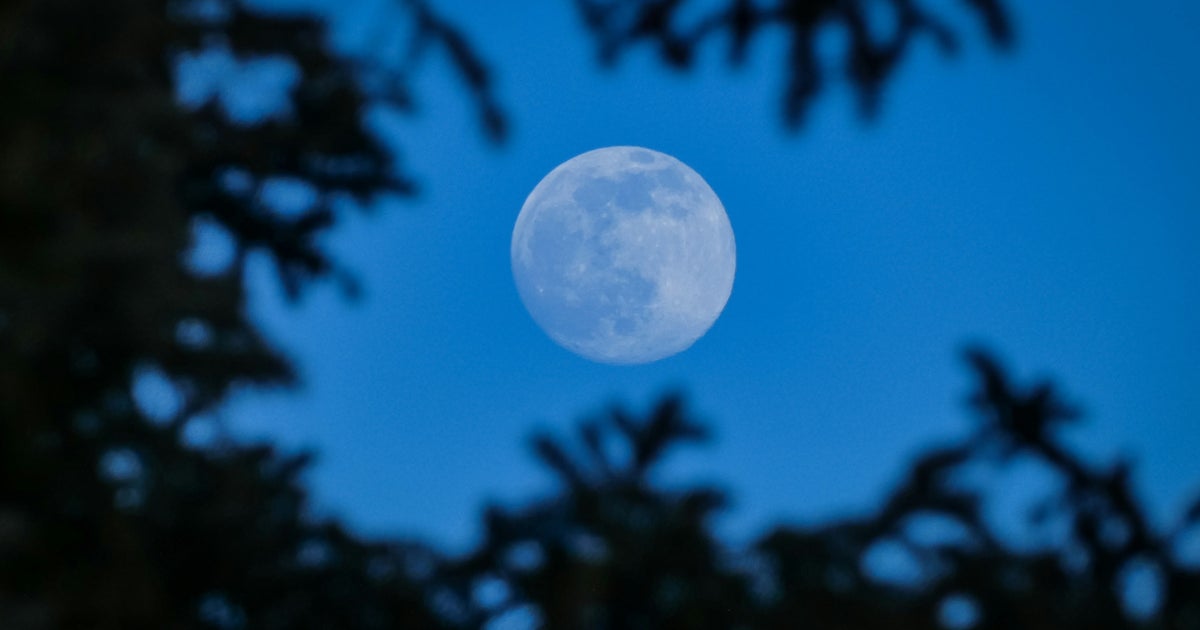
A rare "blue micromoon" — the second full moon in May that also occurs near lunar apogee — will be visible to much of the world on the night of May 30 into May 31, 2026.
The moon reaches peak fullness at 4:45 a.m.
EDT on May 31 (08:45 UTC; 9:45 a.m.
BST; 6:45 p.m.
AEST). At roughly 252,360 miles (about 406,134 km) from Earth, it will be the most distant full moon of the year and will appear approximately 6% smaller and about 10% dimmer than an average full moon.
Observers are advised to look at moonrise during dusk on May 30 for the most photogenic views; those in parts of the Southern Hemisphere and across the Pacific may witness the moon pass in front of the red supergiant Antares.
Live streams and feeds — including from the Virtual Telescope Project — will carry the event for regions clouded out.
By some calculations the specific combination of a calendrical blue moon and a micromoon is uncommon enough that similar pairings are not expected frequently; the next calendrical blue moon is Dec. 31, 2028, while some outlets project a blue–micromoon pairing may not reoccur for decades.



💬 Commentary