
📰 Full Story
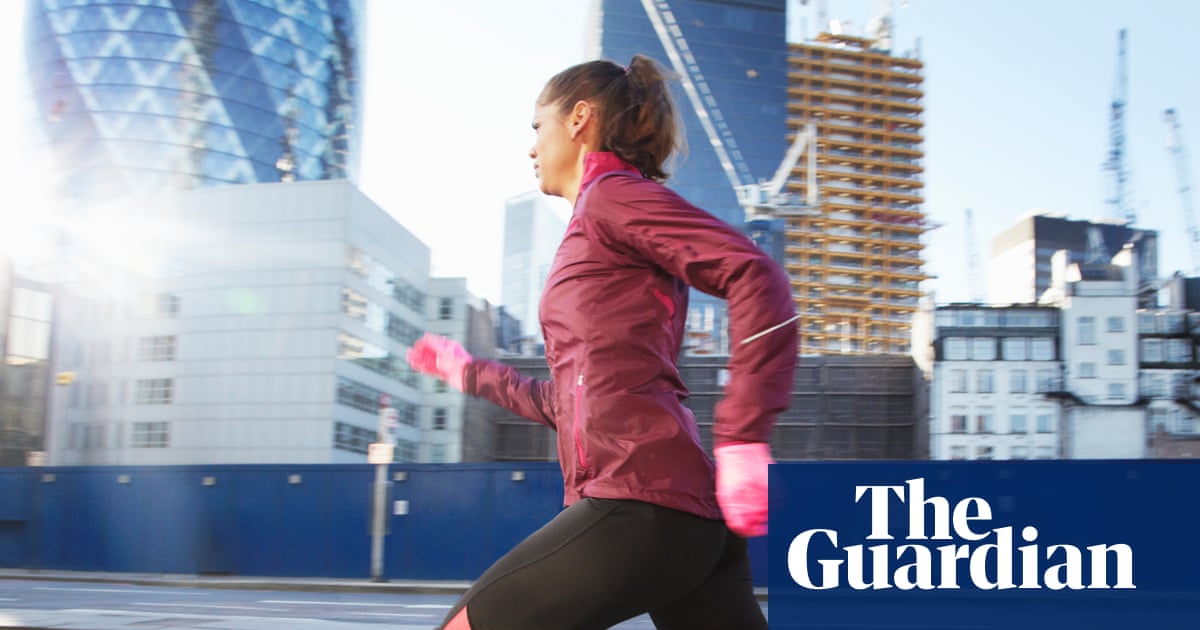
An umbrella review and meta-meta-analysis published online in the British Journal of Sports Medicine (February 2026) found that exercise, particularly aerobic activity, significantly reduces symptoms of depression and anxiety across age groups.
Researchers led by James Cook University searched pooled analyses of randomized trials up to July 2025, incorporating tens of thousands of participants (roughly 57,930 in depression analyses and 19,368 in anxiety analyses drawn from up to about 800 component trials). Overall effect sizes were medium for depression (SMD ~ -0.61) and small-to-medium for anxiety (SMD ~ -0.47). Aerobic, group-based and supervised formats produced the largest antidepressant effects, while shorter (up to eight weeks), lower-intensity programmes were most associated with anxiety reductions.
The strongest benefits were seen in young adults (18–30) and postnatal women.
The authors say exercise outcomes compare favourably with pharmacological (SMD ~ -0.36) and psychotherapeutic (SMD ~ -0.34) interventions, and recommend tailored, prescribed exercise as an accessible, cost-effective first-line option.
They also note heterogeneity in study quality and intensity definitions and caution that findings are most robust for mild or subclinical cases.
🔗 Based On
Medical News | Medical ArticlesAnalysis finds aerobic exercise to be most effective for reducing depression and anxiety
🤝 Social Media Insights
Social Summary
Readers emphasized that while aerobic exercise shows benefit—especially in group/supervised formats—real‑world impact depends on access and initiation. Behavioral Activation and low‑barrier options (home workouts, dance, walking) may help those struggling to start, and measurement limits mean effects are strongest for mild symptoms.














:max_bytes(150000):strip_icc():focal(834x260:836x262)/christina-applegate-060425-b649d2a0561645f7b40462e53dda8c55.jpg)


💬 Commentary